

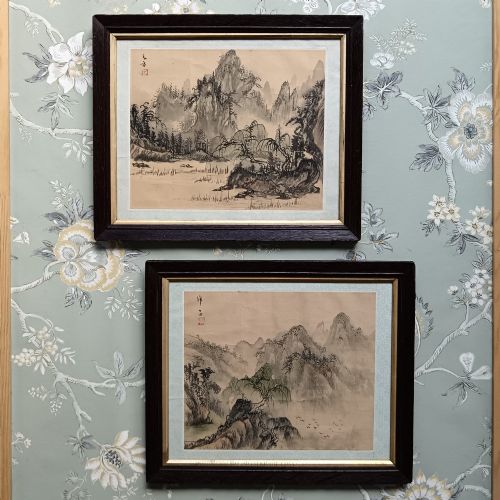
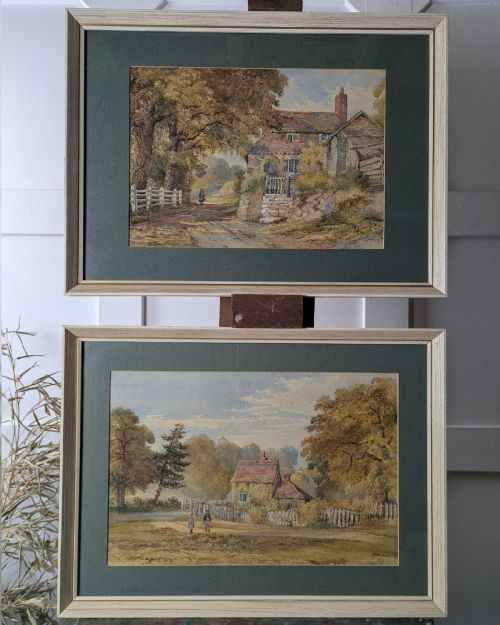
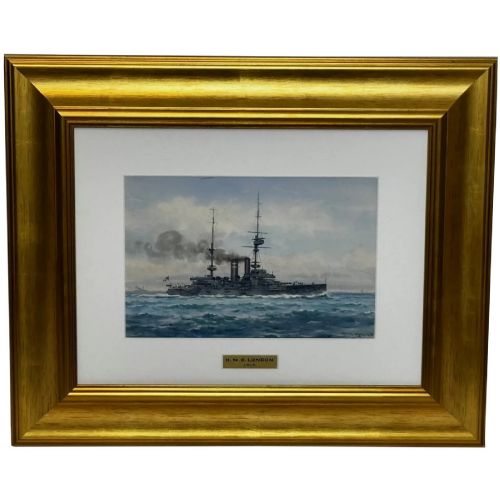
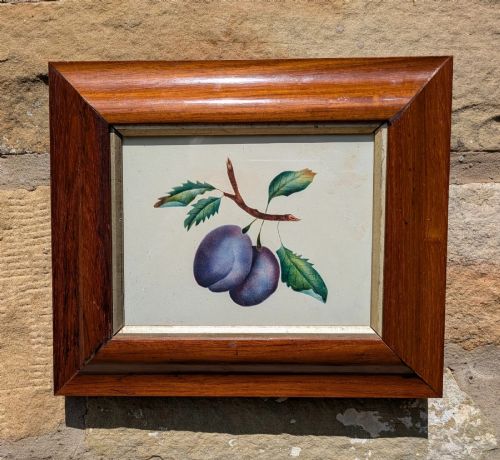
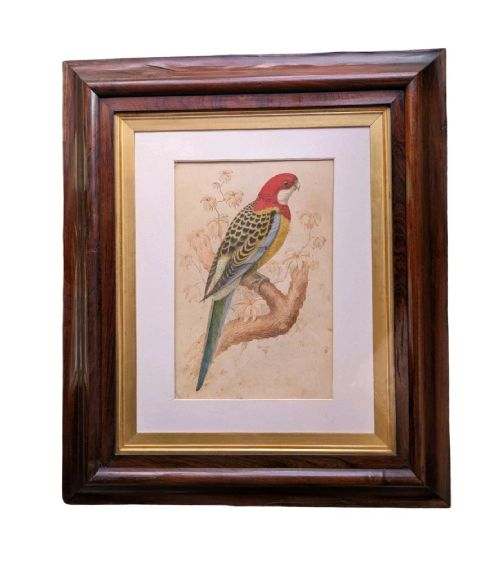

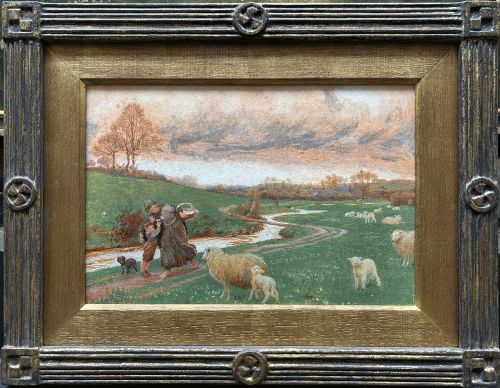
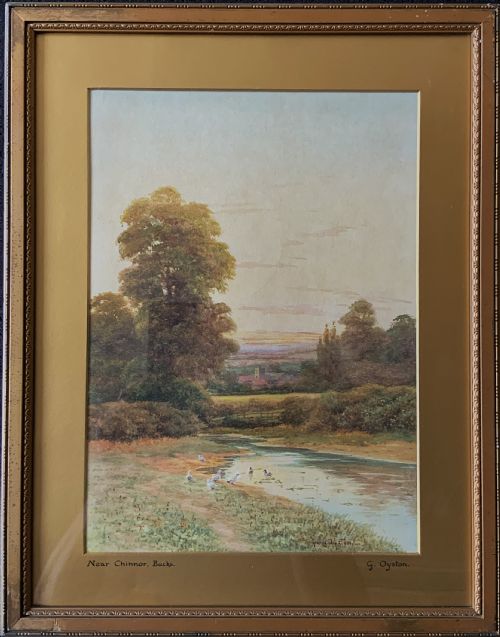
Wood Framed Watercolour Painting
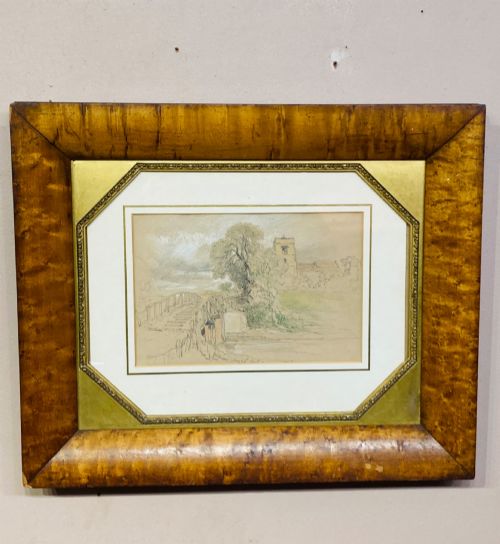
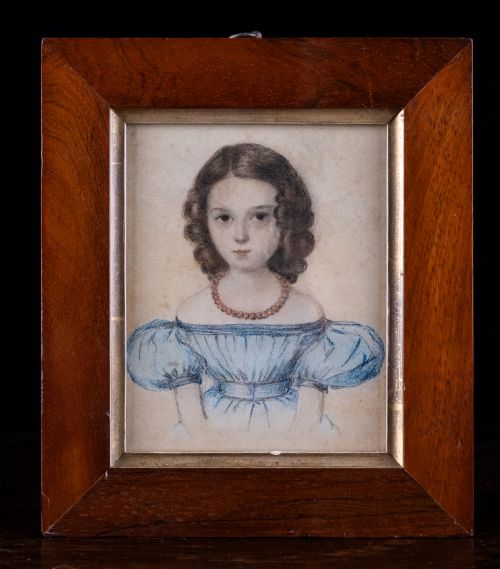
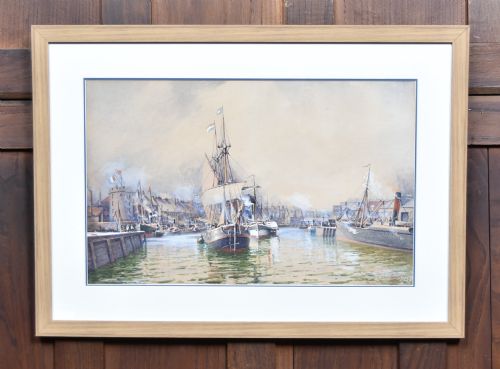
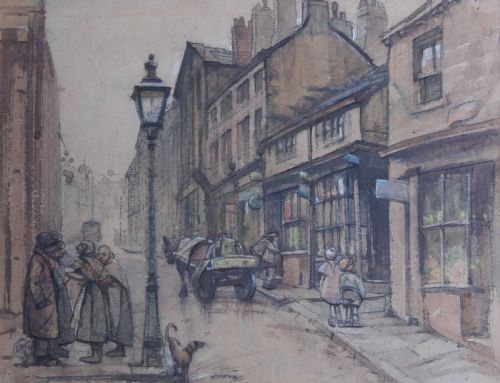
When you search for a wood framed watercolour painting, you are looking at original works on paper protected beneath glass within timber mouldings.
Wood Framed Watercolour Painting
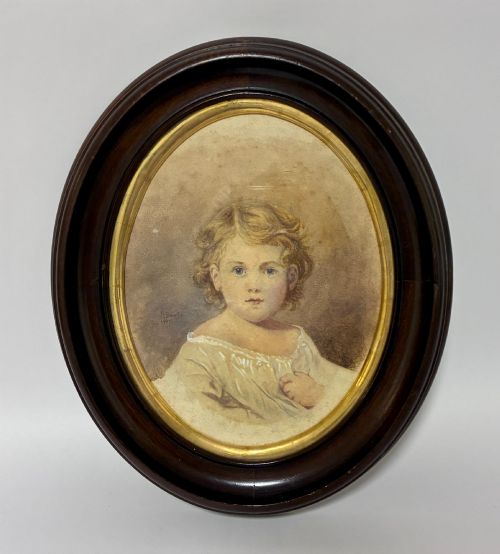
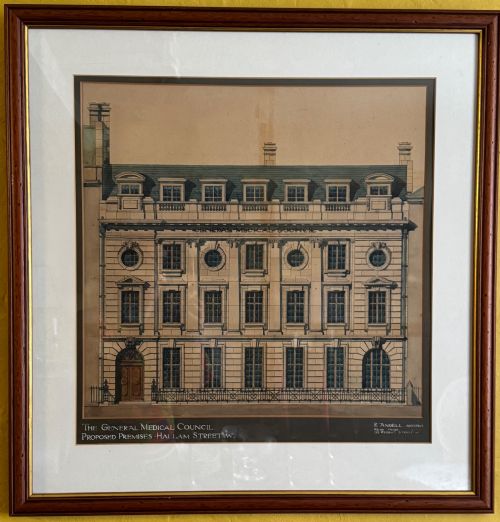
A wood framed watercolour painting brings together delicate pigment and sturdy timber housing, spanning periods from the Regency era through to the mid-twentieth century. When searching for a wood framed watercolour painting, buyers encounter diverse subjects including maritime scenes, architectural designs, botanical studies, and portraiture.
The selections on this page range from early nineteenth-century country gentleman portraits to 1960s coastal views and wartime still lifes. These works reflect both British and continental European traditions, often preserved in their original frames of rosewood, gilt, or plain wood.
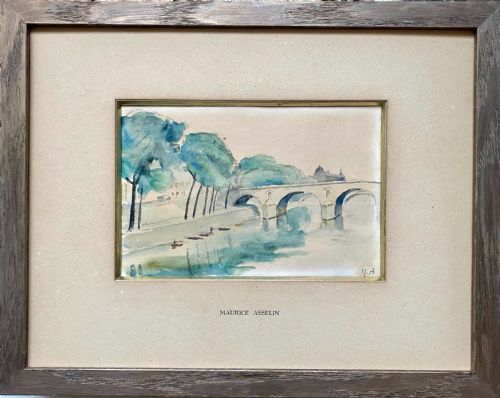
Makers and artists represented include named painters such as Maurice Asselin, Henry Lines, and Frank Watson Wood, alongside anonymous folk artists and botanical illustrators. Each piece offers a direct window into historical domestic and landscape subjects executed on paper.
How They Were Made
Watercolour pigment mixed with water is applied to paper or silk, sometimes combined with gouache or ink to build opaque highlights and sharp outlines. The resulting works rely on the reflective quality of the white paper shining through translucent washes of colour.
Mounting and framing protect these fragile sheets behind glass, held within wooden mouldings that frequently incorporate gold leaf or gilt detailing. Original frames often utilise rosewood or simpler timber constructions designed specifically to complement the palette of the painting within.
Wood Framed Watercolour Painting Retail Price Guide 2026
Typical asking prices for wood framed watercolour painting among the pieces listed under this phrase on Sellingantiques today, from the lower quarter to the upper quarter. They describe what is for sale here now, not the wider market.
What Varies in Quality
The distinction between ordinary and exceptional works rests on the surety of the brushwork and the preservation of the paper beneath the glass. Master painters capture light and movement with minimal strokes, whereas lesser works display stiff composition and heavy-handed application.
The retention of original framing adds substantial character and historical integrity to a piece. Timber mouldings that complement the age and subject of the artwork elevate the overall presentation considerably.
Maurice Asselin·Henry Lines·William Woolard·Frank Watson Wood·George Oyston·Hendrik Valkenberg·Lionel Horsnell·Gaston Cornil·James Tower·John Rattenbury Skeaping·Charles F Tunnicliffe
The Wood Framed Watercolour Painting Glossary
- Watercolour
- A painting method where natural pigments are suspended in a water-soluble binder. The technique relies upon transparent washes applied to paper.
- Gouache
- An opaque watercolour medium containing pigment mixed with a binding agent and white filler. It produces solid passages of colour with a matte finish.
- Gilt
- A thin layer of gold applied to wood framing or decorative elements. It provides a reflective border that frames the artwork.
- Botanical
- A detailed scientific or decorative illustration of plants and flowers. These studies focus on accurate representation of species.
Wood Framed Watercolour Painting: Frequently Asked Questions
How do I care for a watercolour painting?
Keep watercolours away from direct sunlight to prevent the pigments and paper from fading over time. Maintaining stable indoor humidity levels protects both the paper support and the wooden frame.
Ensure the glass remains sealed against dust and moisture. Professional framing with acid-free backing materials preserves the longevity of the work.
Are original frames important?
Original timber frames provide crucial context regarding the period in which the artwork was collected and displayed. They are matched to the aesthetic of the painting by contemporary makers.
Replacing a period frame alters the historical presentation of the piece. Retaining the original housing maintains the integrity of the object.
How do I identify the date of a painting?
Examine the signature, inscriptions on the reverse, and the style of the paper and framing materials. Victorian and Edwardian works often feature specific handwriting styles and framing techniques.
Subject matter and costume in portraits also offer reliable clues to the decade of creation. Comparing techniques with known artists helps narrow the timeline.
What is the difference between watercolour and gouache?
Watercolour employs transparent washes where the white of the paper illuminates the pigment. This creates a luminous and fluid visual effect.
Gouache includes an added white pigment that makes the paint opaque and flat. Artists frequently combine both mediums on the same sheet for contrast.