

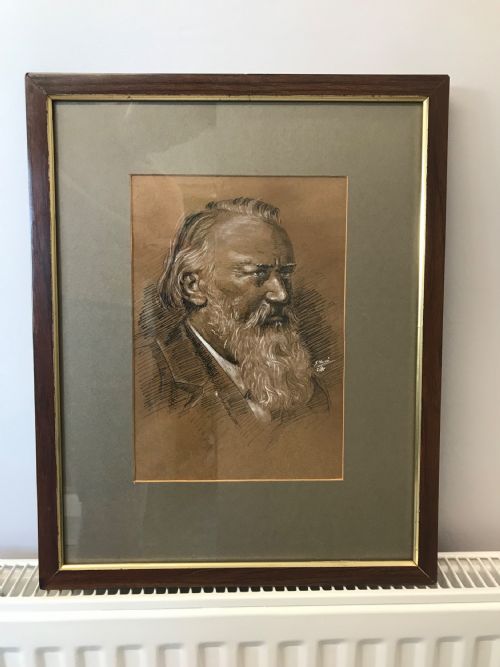
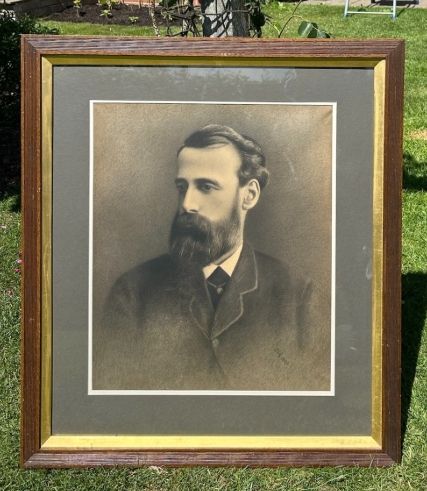


Wood Framed Portrait Drawing
A wood framed portrait drawing brings character to a room through the intimate line of pencil, pastel, or charcoal preserved behind glass.
Wood Framed Portrait Drawing
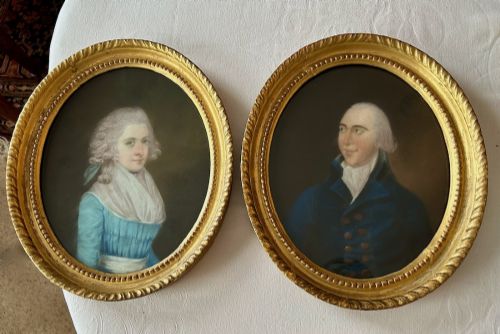
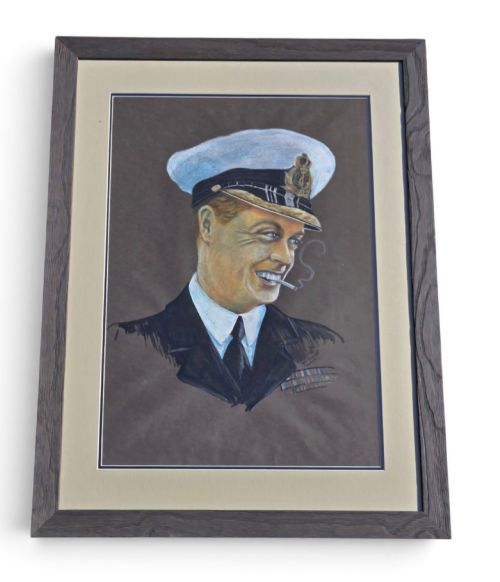
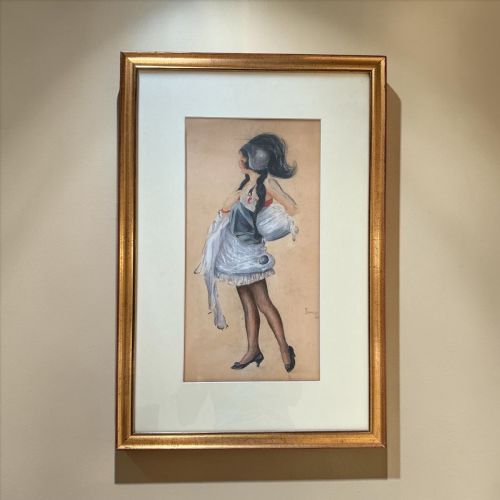
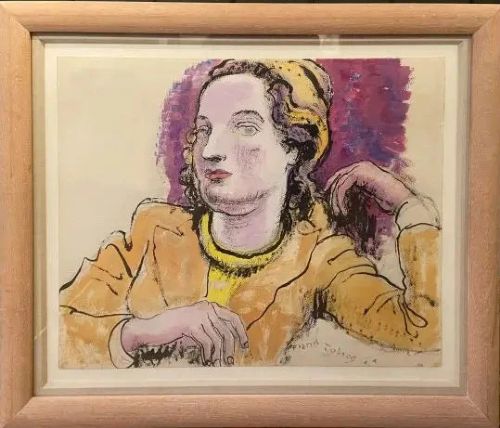
A wood framed portrait drawing captures likeness and character through direct draftsmanship on paper or canvas, presented in protective timber mouldings. These works range from delicate 18th-century plumbago studies to robust 20th-century charcoal sketches and coloured pastels.
The selections span distinct historical movements including Georgian, Victorian, Edwardian, and Modern British periods. Buyers frequently encounter subjects rendered in graphite, ink, or pastel, secured beneath glass within original giltwood, gesso, or simple wooden frames.
Materials and Technique
Artists relied upon fundamental drawing media such as graphite, charcoal, and pastel applied directly to paper or prepared canvas. Plumbago technique utilised fine lead and graphite powder on vellum or paper to achieve miniature-like precision.
Frames of carved wood, giltwood, and gesso provided structural support and aesthetic enclosure, often featuring decorative scrollwork or simple moulding appropriate to the period of creation.
One featured charcoal drawing immortalises an attentive pointer gun dog proudly carrying a game bird across a Victorian hunting scene.
Assessing Quality and Execution
The strength of the draftsmanship dictates the quality of a portrait drawing, separating confident, expressive handwork from rigid or mechanical copies. The anatomical accuracy of the hands, face, and bone structure reveals the true skill of the artist.
The preservation of the paper support and the originality of the matching wood or gilt frame heavily influence the integrity of the piece. Untouched surfaces free from heavy restoration retain the authentic atmosphere intended by the creator.
John Taylor·Robert Faulkner·George Richmond·Gaston Bouy·Augustus Edwin John·Frank Dobson
The Wood Framed Portrait Drawing Glossary
- Plumbago
- A delicate portrait drawing executed in graphite, taking its name from the Latin word for lead ore. These detailed works gained popularity in the 18th century.
- Pastel
- A medium consisting of powdered pigment combined with a binder, applied as a dry stick to paper or canvas. It creates velvety tones and rich colour depth.
- Gesso
- A plaster-like mixture applied to wood frames before gilding or painting to create a smooth surface for moulding details. It provides a crisp base for decorative elements.
- Giltwood
- Timber coated with a thin layer of gold leaf or gilt powder. This finish was widely applied to frames during the Georgian and Victorian eras to enhance decorative splendour.
Wood Framed Portrait Drawing: Frequently Asked Questions
Where should I hang these portraits?
Display these works on interior walls away from direct sunlight and damp environments to protect the paper and wooden framing materials from fading and warping. Stable room temperatures ensure the longevity of organic media like charcoal and pastel.
Group them with other period pieces or let a single framed study command attention on a smaller wall space in a study or hallway.
How do I identify the period?
Examine the framing style, the clothing and hair of the sitter, and the mounting technique on the reverse of the work. Georgian pieces often feature fine plumbago or ink, while Victorian examples lean toward heavy charcoal or gilded frames.
Signatures, dates written on the backing paper, and the type of timber used in the construction offer further clues to the exact decade of creation.
Are pastels stable over time?
Pastels rely on loose pigment particles that can detach if the framed drawing experiences heavy vibration or is tilted roughly. Professional framing behind glass protects the friable surface from physical disturbance.
Original pastels kept in dry, stable conditions maintain their powdery brilliance and soft colour gradations across centuries without major pigment loss.