



Wood Framed Maritime Art
Wood framed maritime art brings coastal history and sailing vessels into rooms through period paintings and shadow boxes.
Wood Framed Maritime Art
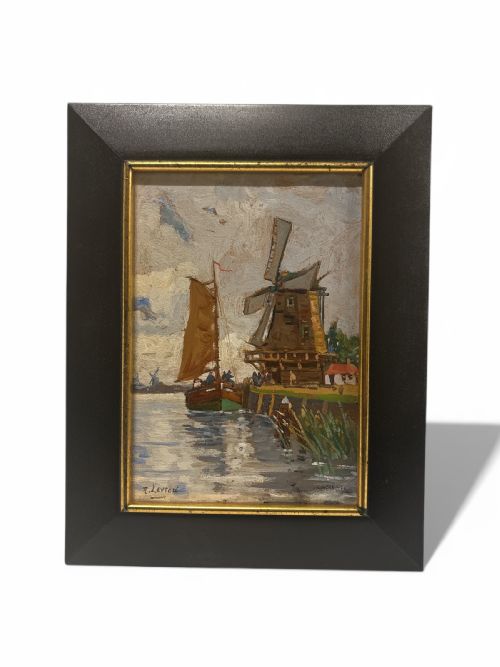
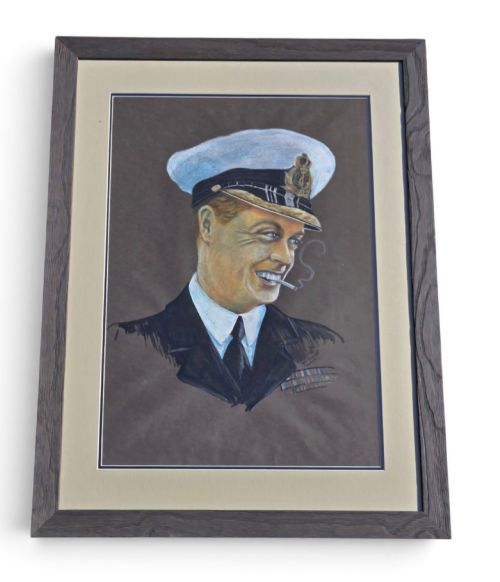
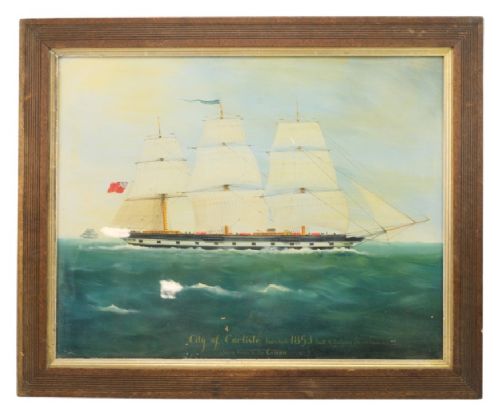
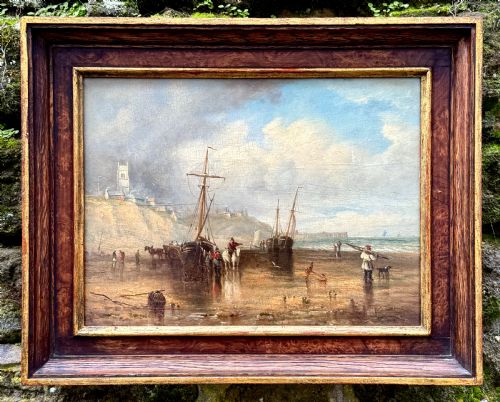
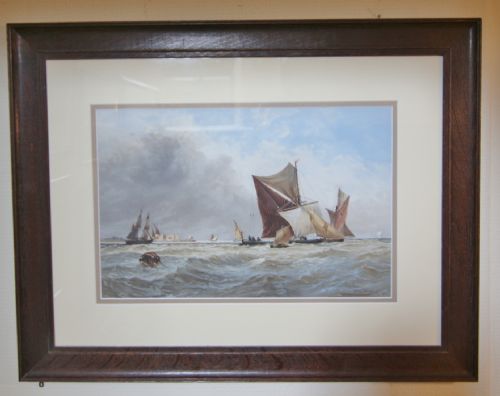
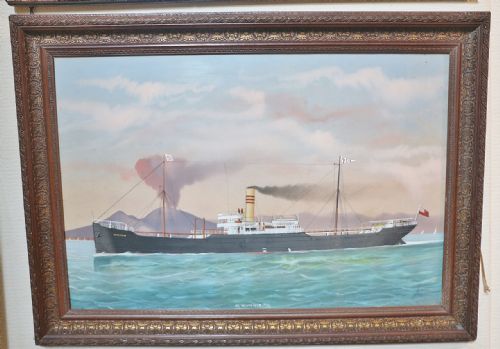
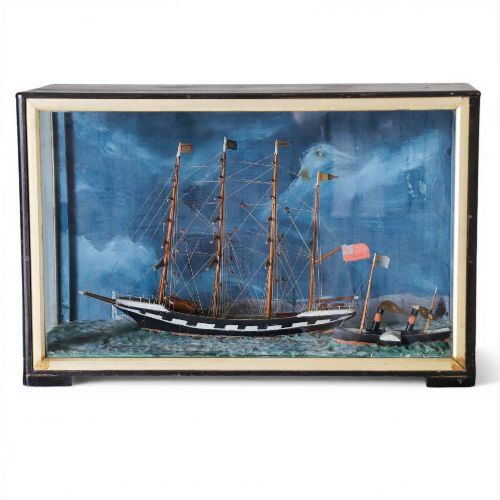
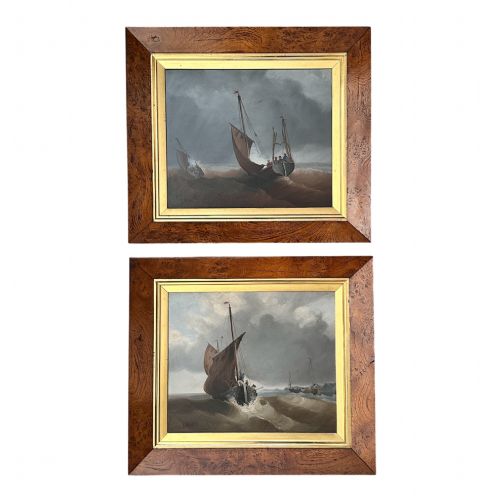
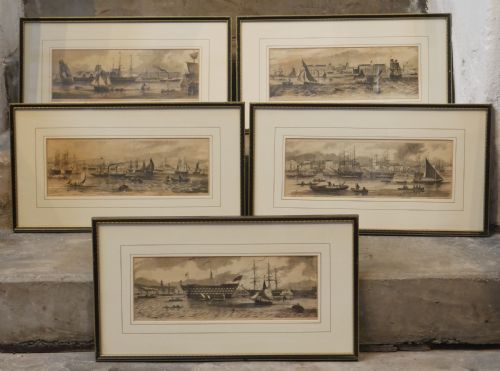
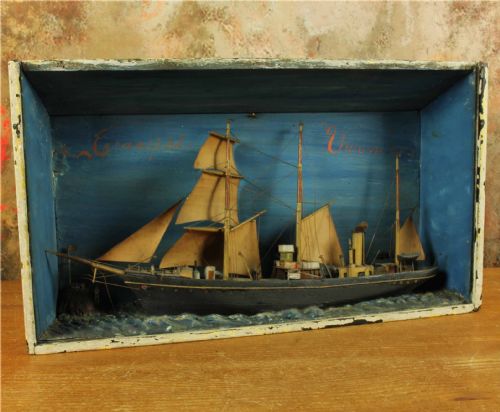
Buyers looking at wood framed maritime art find oil paintings, watercolours, and shadow box dioramas depicting ships and coastal views. These pieces span the nineteenth century through the early twentieth century, capturing naval vessels, fishing boats, and harbours.
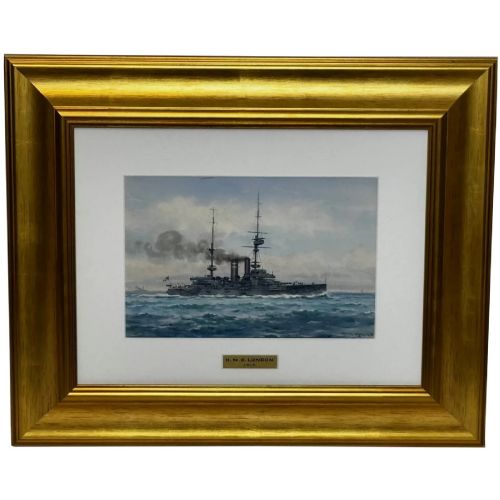
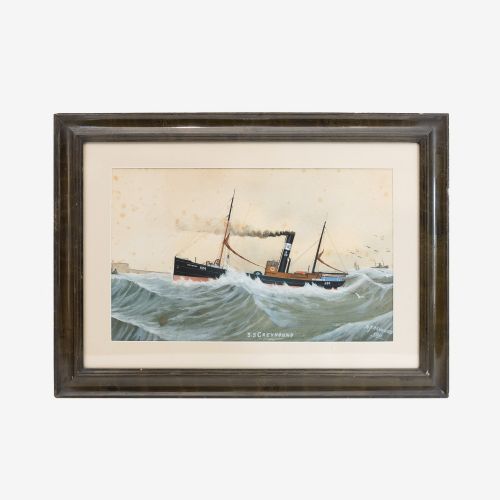
The most common formats on this page are framed oil paintings and dioramas produced during the Victorian and Edwardian periods. Works range from detailed watercolours of specific steamers to folk art ship models housed behind glass.
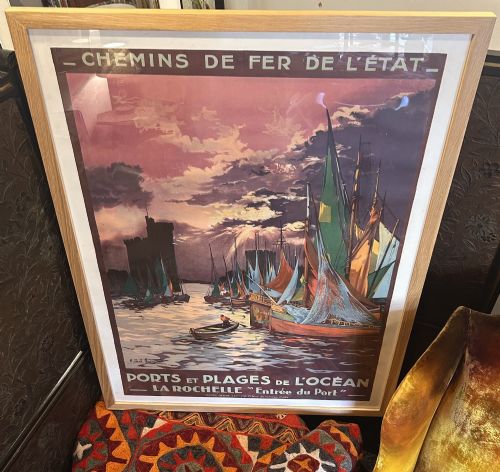
Origin points include English and French schools, with subjects stretching from local estuaries to international waters. Each object uses timber framing to protect and complete the maritime scene.
Materials and construction
Makers utilised wood, glass, and canvas alongside oil paint, watercolour, and gouache. Canvases and boards support the painted coastal scenes, while glass fronts protect delicate watercolours and paper components.
Frames are constructed from wood, frequently enhanced with gilt finishes or hand-enamelled polychrome details. Dioramas combine carved wooden ship models with painted backdrops, enclosed in glazed wooden boxes.
Listings include oil on canvas, watercolour, gouache, and wood-framed dioramas spanning the nineteenth century and early twentieth century.
Quality differences
Distinction across the range rests on the precision of the maritime subject and the integrity of the materials. Fine brushwork in oil or watercolour accurately renders rigging, hull forms, and coastal light, whereas simpler folk art relies on charming naive construction.
The condition of the wooden frame and protective glass influences the overall integrity of the piece. Original frames that complement the date of the artwork preserve the historical context of the object.
Frank Watson Wood·Thomas Creswick·TB Hardy·John Moore of Ipswich·George Stanfield Walters·Jean-Baptiste Olive
The Wood Framed Maritime Art Glossary
- Shadow Box Diorama
- A three-dimensional display enclosed in a glazed wooden case. These pieces combine carved or scratch-built ship models with painted backgrounds.
- Gouache
- An opaque water-based medium used for watercolours. It provides denser highlights and flat areas of colour on paper.
- Maritime
- Relating to the sea, shipping, and navigation. This category covers both naval vessels and commercial sailing ships.
- Impressionism
- An art style characterised by relatively small, thin yet visible brush strokes. It emphasises accurate depiction of light in movement.
Wood Framed Maritime Art: Frequently Asked Questions
What periods do these pieces date from?
The works span the nineteenth century through the 1930s, encompassing the Victorian and Edwardian eras. Most items date from the mid-nineteenth century to the early twentieth century.
Dates are determined by artist signatures, stylistic markers, and historical subjects such as named vessels from specific decades.
How should I display wood framed art?
These pieces suit rooms with traditional or coastal decor, mounted securely on wall hooks. Keep them away from direct sunlight and damp conditions to protect the paper, canvas, and wooden frames.
Ensure wall fixings match the weight of larger items, particularly heavy shadow box dioramas.
What is a shadow box diorama?
A shadow box diorama is a framed three-dimensional scene featuring a model ship set against a painted background. The entire display sits behind glass within a wooden box.
Folk art examples often include scratch-built vessels and painted seascapes made by coastal artisans.
Are the paintings signed by artists?
Many works feature signatures, initials, or attribution to known English and French marine artists. Documentation often notes the specific ship or location depicted.
Anonymous pieces are attributed to regional schools based on technique, subject matter, and materials.