
Wood Framed Landscape
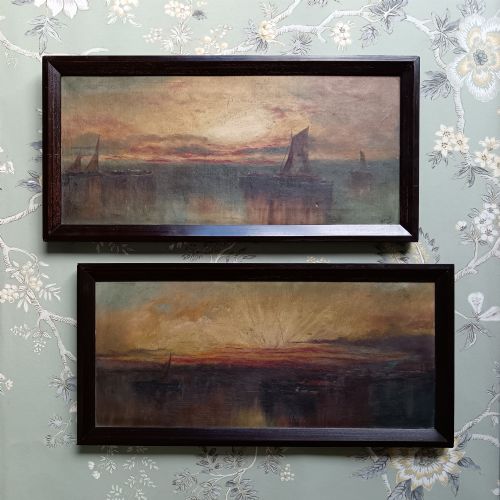
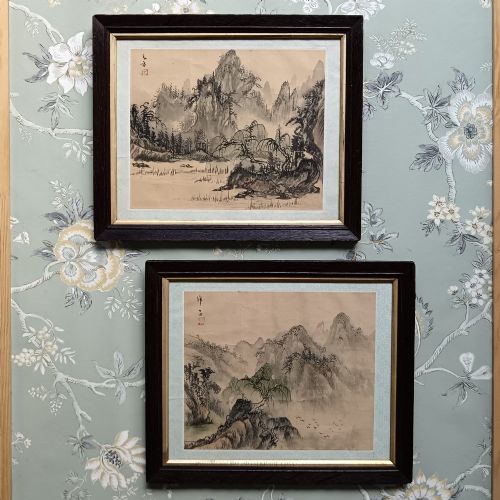
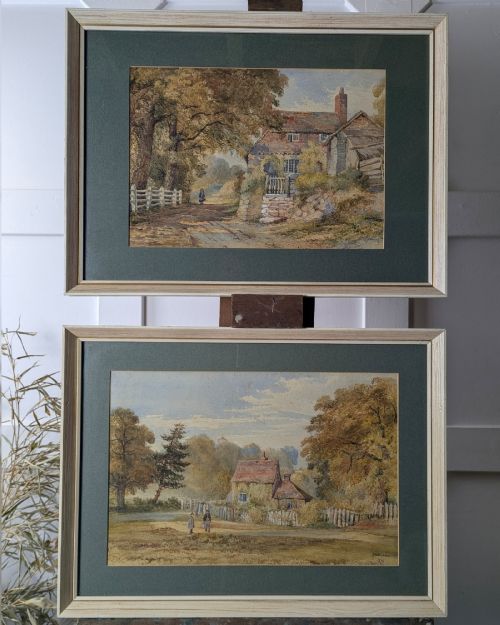
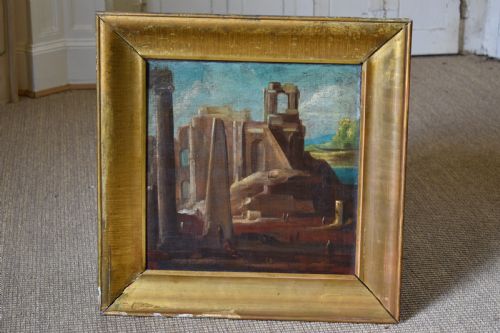
A wood framed landscape anchors a room with its natural timber border and painted or drawn view.
Wood Framed Landscape
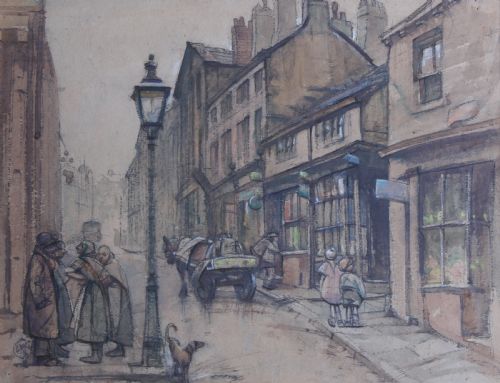
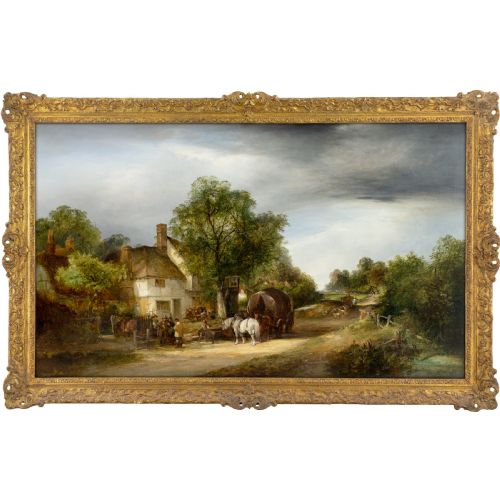
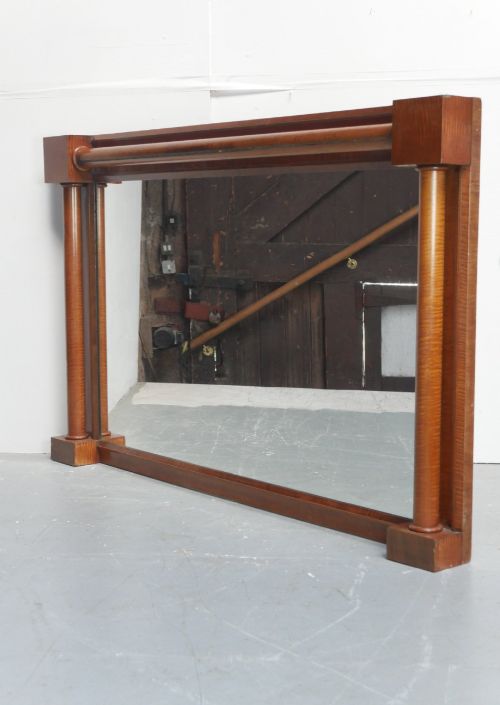
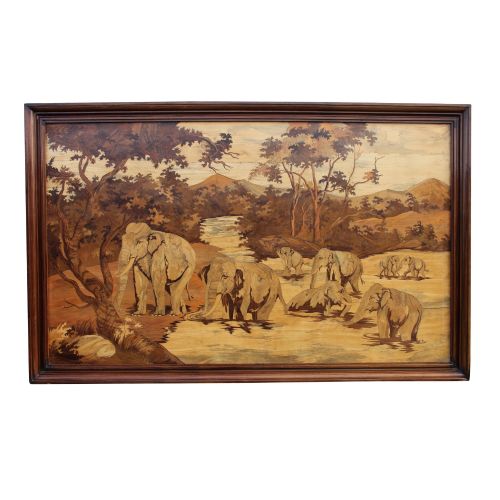
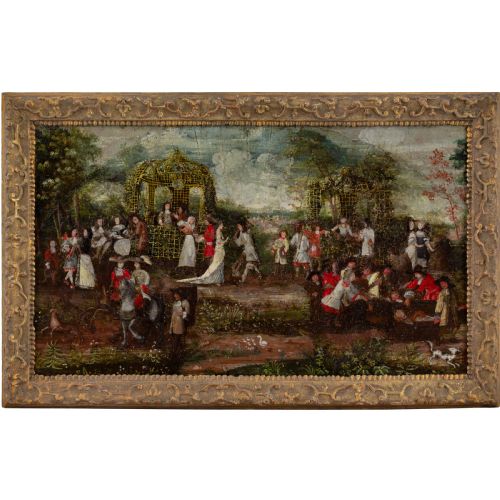
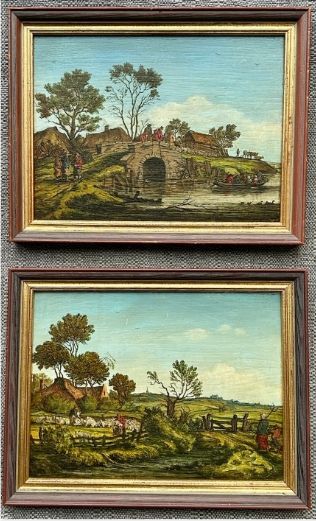
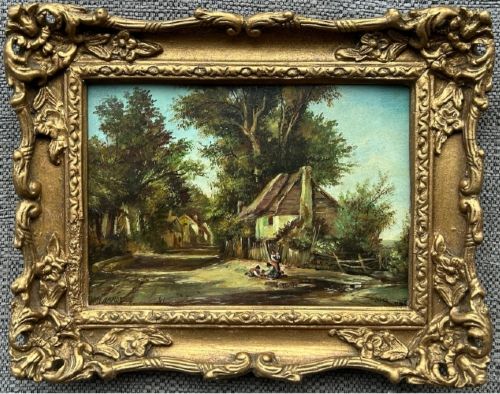
When you search for wood framed landscape, you encounter framed paintings, watercolours, engravings, and mirrors spanning several centuries. The selection on this page leans heavily toward nineteenth-century and mid-century oil paintings on canvas and wood panel, alongside works on paper.
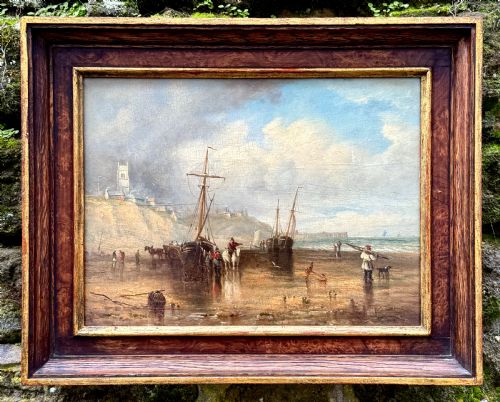
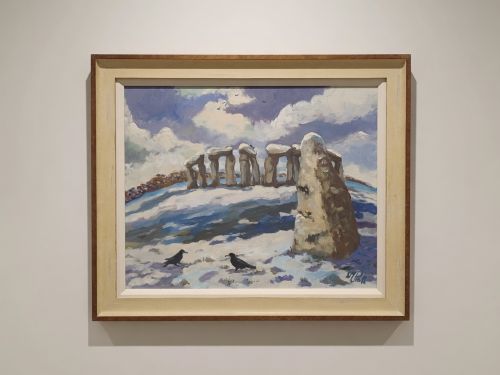
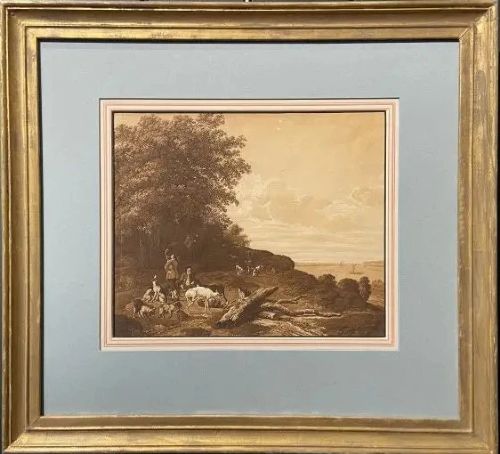
Makers and artists range from named Victorian and Edwardian painters to continental European and British artists working in realist, impressionist, and post-impressionist styles. Subjects take in wooded river valleys, coastal scenes, and rural vistas enclosed in period wood or gilt frames.
How They Were Made
Artisans built the supports using stretched canvas, paper, wood panels, or glass plates for mirrors, applying oil paint, watercolour, gouache, or engraving techniques. Frames combine carved wood, gesso, and parcel gilding, often retaining their original patination.
Makers constructed frames to match the aesthetic of the period, utilising solid timbers, moulded profiles, and applied ornamentation to house and protect the artwork or mirror plate securely.
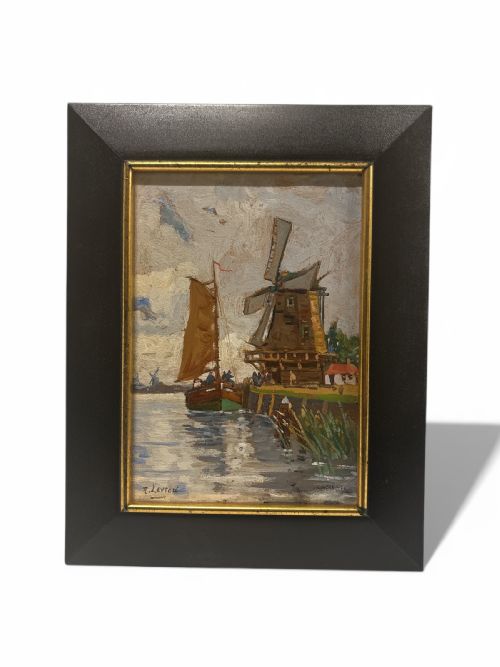
A surprising number of nineteenth-century landscapes manage to include both a moody windmill and a surprisingly calm body of water.
What Varies in Quality
The standard of execution in the brushwork, handling of light, and depth of composition separates works by accomplished artists from simpler decorative pieces. Mastery of perspective and pigment application defines the upper tier.
Frame integrity and originality also influence worth, as pieces retaining their period wood or gilt frames with matching joinery and surface wear command greater interest than those with later replacements.
W Klombeck·William Howard Hardy·Thomas Creswick·Lucy Pratt·Johannes Lingelbach·James Fry·Frederick Walker·Peter Newcombe·George Oyston·Sir Alfred East·Charles Hunt·Étienne Baudet·John Moore of Ipswich·Stuart Walton·Florence Adelina Hess·Paul-Élie Gernez·Sydney Yates Johnson·Hubert Wellington·Paul-Jean Anderbouhr·Lionel Horsnell·Gaston Cornil·Joseph Edward Hennah·Jean-Baptiste Olive
The Wood Framed Landscape Glossary
- Oil on panel
- A painting executed on a wooden board rather than canvas. This rigid support provides a stable surface favoured by artists for detailed work.
- Gesso
- A plaster-like mixture applied to wood frames before gilding or painting. It creates a smooth base for intricate carved details.
- Overmantel mirror
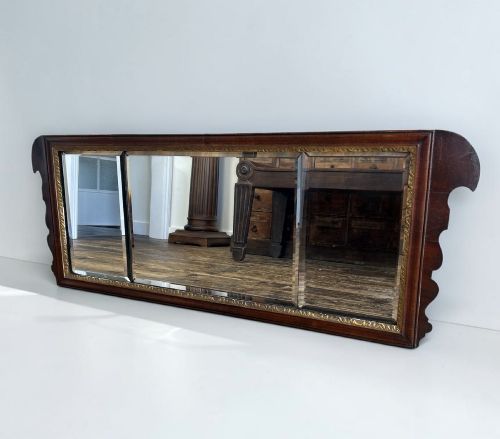
- A wide horizontal mirror designed to sit above a fireplace mantel. These pieces often feature multiple plate glass sections within a decorative frame.
- Engraving
- A printmaking process where an artist cuts lines into a metal plate to hold ink. The resulting image is transferred onto paper under pressure.
- Watercolour
- A painting method where fine pigment is suspended in a water-based solution. Artists apply these transparent washes onto paper to capture light and atmosphere.
Wood Framed Landscape: Frequently Asked Questions
How do I hang a heavy wood framed landscape?
Secure the piece using appropriate wall anchors and picture hooks rated for the weight of the timber frame and glass. Hang the work from two points on the wall to keep the frame level.
Ensure the hanging wire or brackets on the back of the frame are firmly attached to the wooden structure rather than relying solely on the backing boards.
Can I place these pieces in direct sunlight?
Direct sunlight causes pigments in paintings and watercolours to fade over time. Position your artwork away from south-facing windows to preserve the colours.
Ultraviolet light also dries out historic wooden frames, leading to shrinkage and cracking in the gesso and timber over the years.
How do I clean an antique wood frame?
Dust the timber frame gently with a dry, soft microfiber cloth to remove surface particles. Avoid using household polishes or chemical sprays.
Moisture can damage old gilding and exposed wood, so keep liquid cleaners away from both the frame and the artwork surface.
How do I identify the period of a frame?
Examine the construction joints, corner mitres, and the type of wood used in the backing and moulding. Different eras favoured specific moulding profiles and gilding methods.
Tool marks, fixings such as cut nails, and the wear pattern on the finish offer further clues to the age of the framing.