
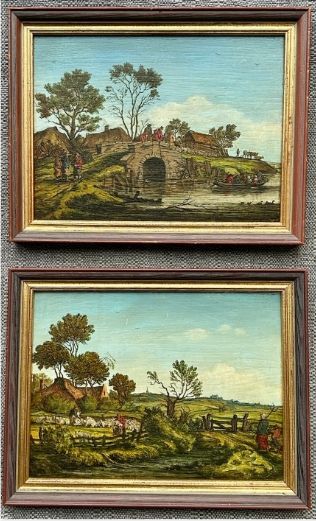
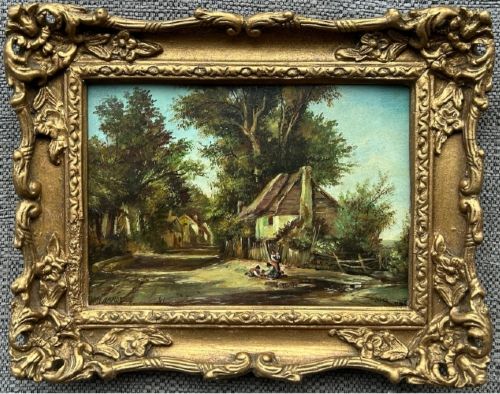

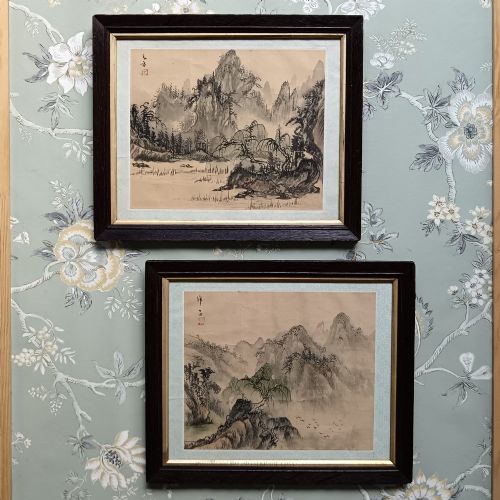
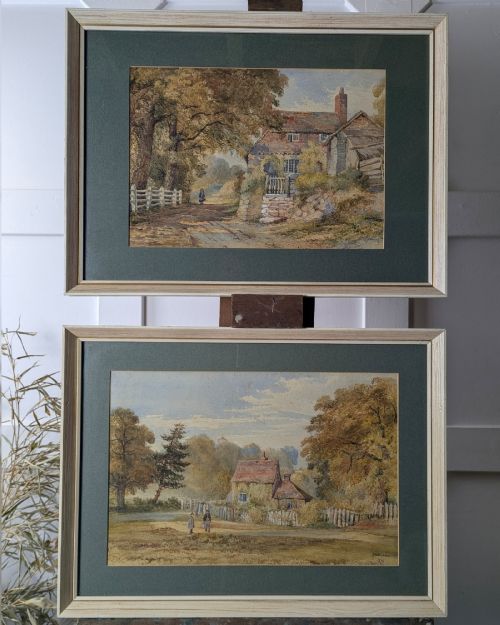
Wood Framed Landscape Art
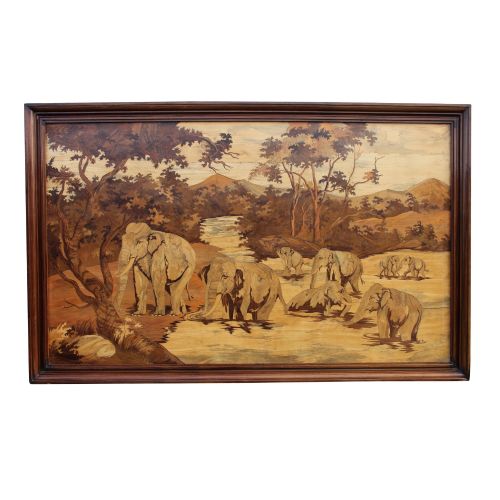
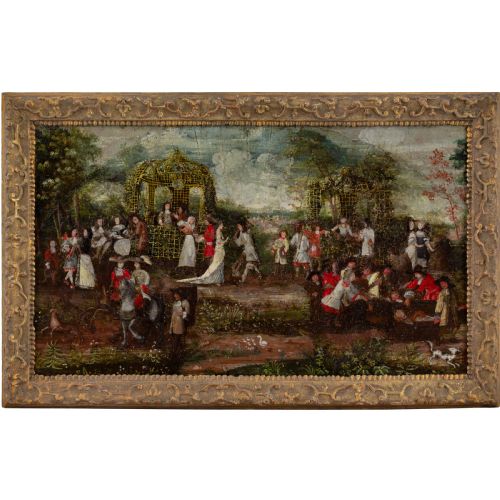
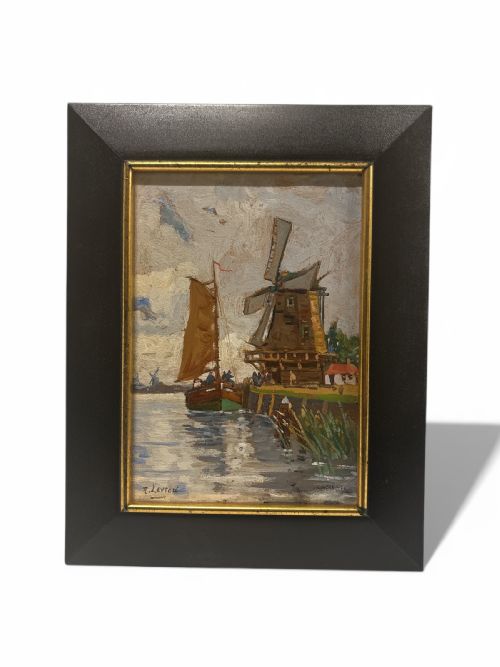
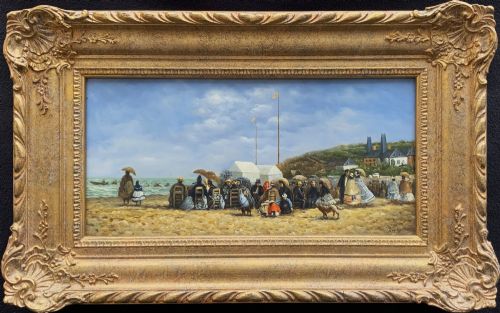
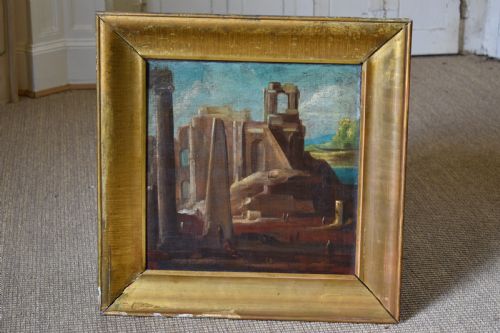
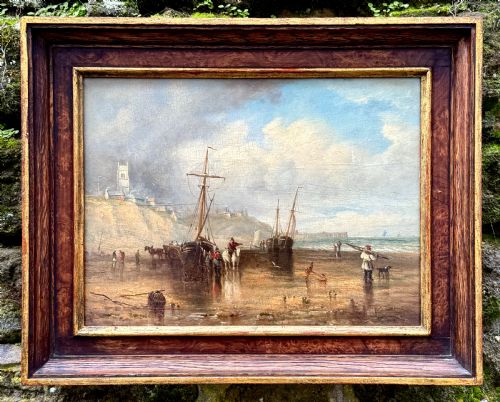
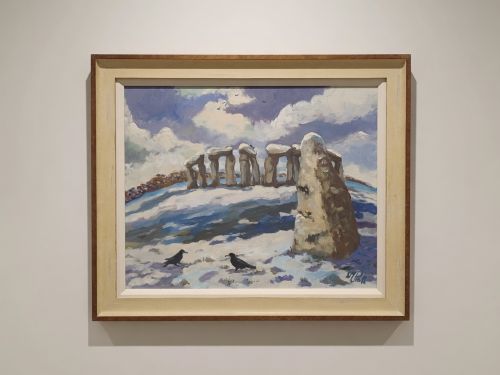
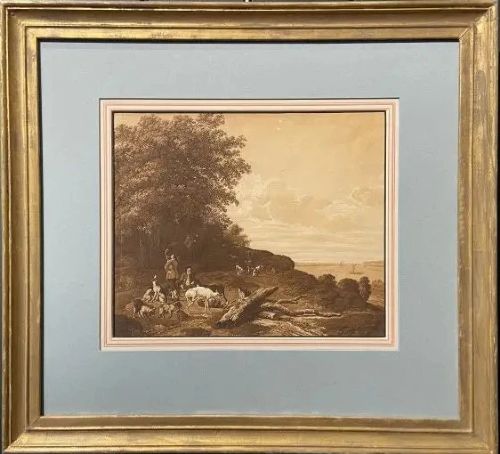
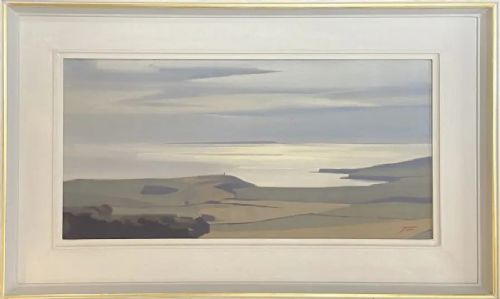
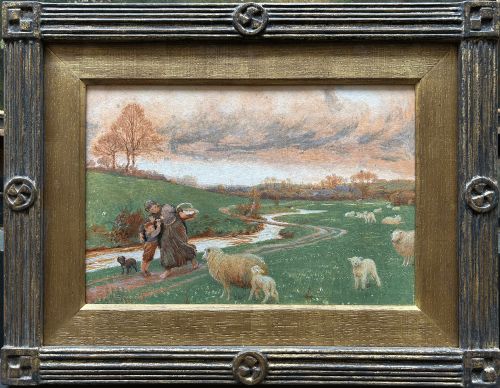
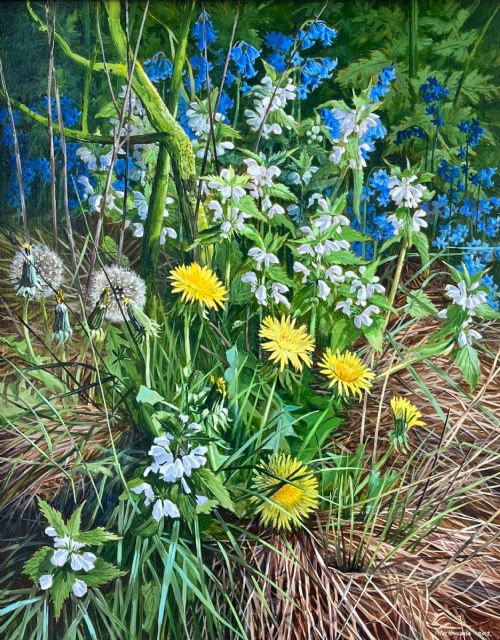
Wood framed landscape art brings together natural timber surrounds and painted or engraved views of the countryside, sea and rivers.
Wood Framed Landscape Art
Wood framed landscape art encompasses paintings, watercolours, engravings and dioramas depicting natural scenery set within timber enclosures. Buyers searching for wood framed landscape art encounter works spanning the seventeenth century through to the mid-twentieth century, with Victorian and Edwardian examples appearing frequently.
The subjects range from British pastoral scenes and marine views to French coastal locations and Dutch golden age vistas. Canvases, wood panels and paper works housed in original or period wooden surrounds form the core of the selection.
How they were made
Makers applied oil paint, watercolour or gouache onto surfaces such as canvas, wood panels, paper and silk. Canvases were stretched across wooden frames, while panels utilised solid wood supports.
Surrounds were fashioned from wood and often finished with gilt or carved details to house the artwork securely behind glass where paper or delicate media required protection.
A nineteenth-century diorama constructed from cork and twigs resides within a matching twig frame.
What varies in quality
Quality rests in the execution of the brushwork and the harmony between the art and its timber housing. Masterly handling of light and pigment distinguishes accomplished compositions from simpler decorative pieces.
The preservation of the original wood frame and its finish relative to the artwork contributes significantly to the overall integrity of the piece.
W Klombeck·William Howard Hardy·Thomas Creswick·Lucy Pratt·Johannes Lingelbach·James Fry·Frederick Walker·Peter Newcombe·George Oyston·Sir Alfred East·Charles Hunt·Étienne Baudet·John Moore of Ipswich·Stuart Walton·Florence Adelina Hess·Paul-Élie Gernez·Sydney Yates Johnson·Hubert Wellington·Paul-Jean Anderbouhr·Lionel Horsnell·Gaston Cornil·Joseph Edward Hennah·Jean-Baptiste Olive
The Wood Framed Landscape Art Glossary
- Oil on panel
- A painting executed on a wooden board rather than stretched canvas. This rigid support provides a stable surface for detailed brushwork.
- Watercolour painting
- Art created with water-soluble pigments on paper. These works are typically mounted behind glass to prevent moisture damage.
- Gilt wood
- Wood coated with a thin layer of gold leaf or metallic paint. This finish enhances the decorative appearance of the frame.
- Diorama
- A three-dimensional scene constructed within a case. Cork and twigs feature in specific historical examples of these framed displays.
- Engraving
- An image produced by cutting a design into a metal plate which is then inked and printed onto paper. These monochrome or tinted works offer fine detail.
Wood Framed Landscape Art: Frequently Asked Questions
How do I hang a heavy framed landscape?
Ensure the wall fixings match the weight of the timber frame and the support structure of the wall itself. Utilising sturdy picture wire or D-rings attached securely to the wood frame distributes the load evenly.
Check that the hanging height places the centre of the artwork at eye level for optimal viewing within the room.
Should I display wood framed art in direct sunlight?
Direct sunlight causes pigments in watercolours and oil paints to fade over time and can dry out antique wood frames. Position these pieces away from south-facing windows to preserve the colours and the timber.
Stable indoor temperatures and moderate humidity levels also prevent the wood frame from warping.
How do I clean an antique wood frame?
Dust the wood gently with a dry, soft cloth to remove surface particles without disturbing the finish. Avoid using liquid cleaners or polishes that might seep into cracks or damage older gilding.
For stubborn grime, consult a professional conservator rather than attempting chemical cleaning at home.
How do I identify the period of a landscape painting?
Examine the materials used for the support, such as canvas types, panel thickness or paper watermarks, alongside the pigment composition. Costume, architectural details and the style of the brushwork offer further clues to the date of execution.
The construction methods and joinery of the wood frame often correspond to the era in which the artwork was created.