

Wood Frame Mirror
A wood frame mirror brings depth and reflected light into a room, spanning centuries of craftsmanship from simple oak panels to ornate gilded overmantels.
Wood Frame Mirror
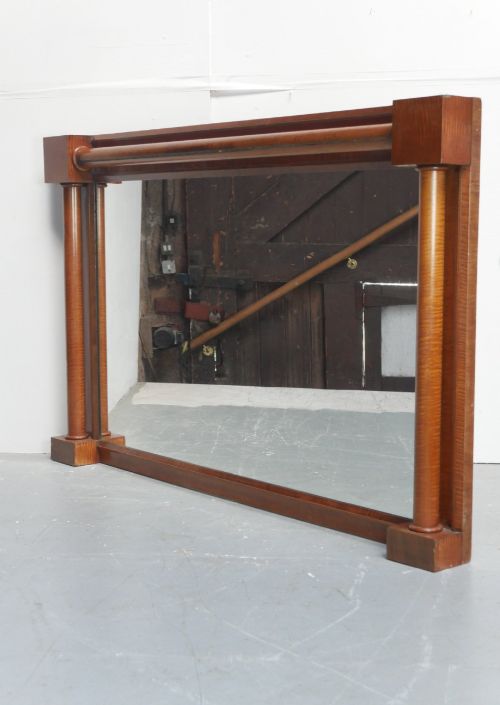
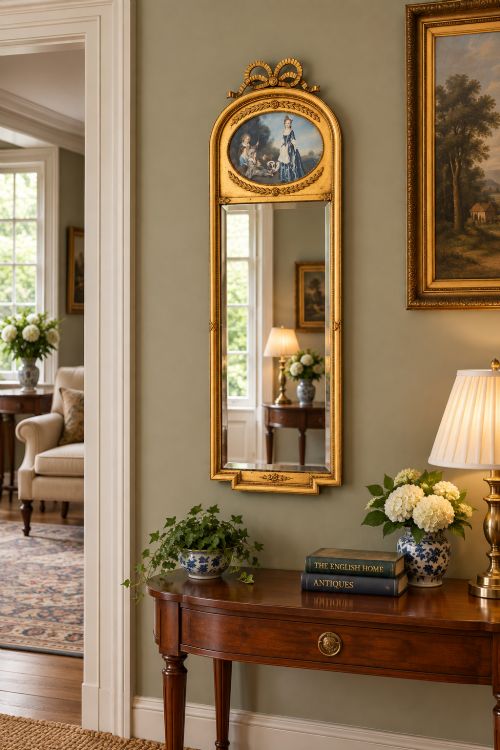
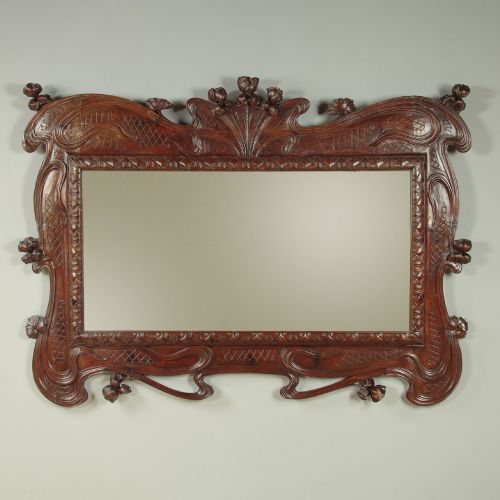
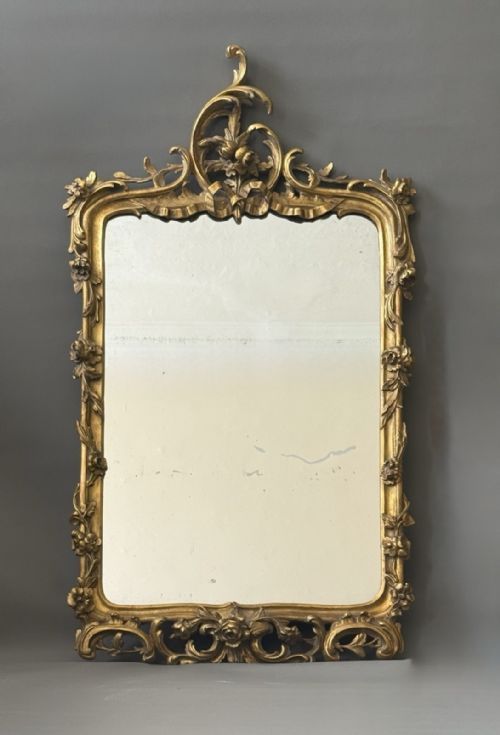
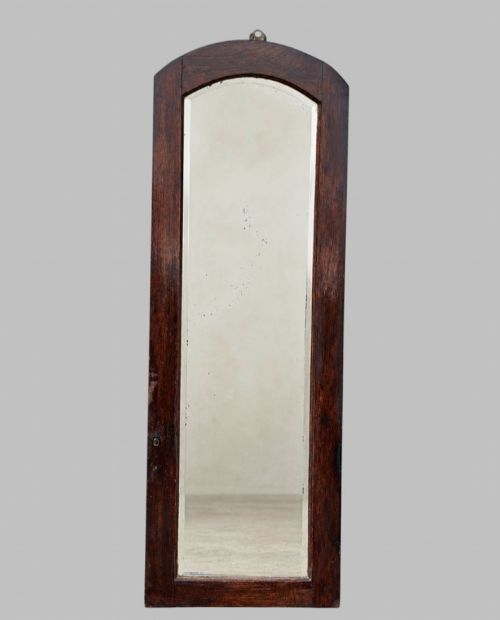
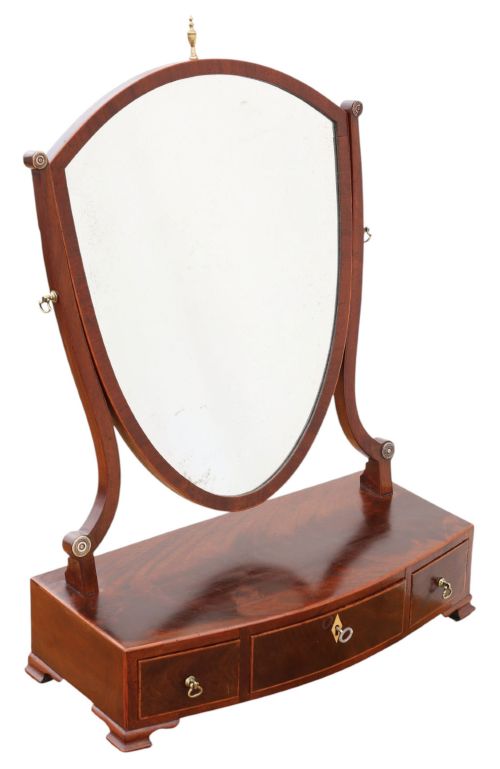
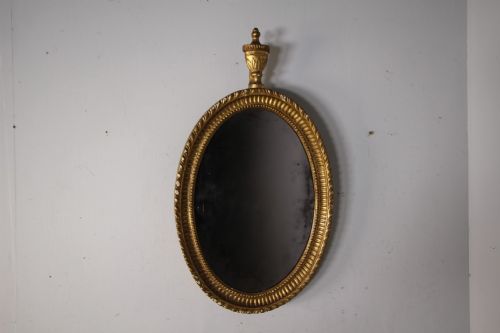
A wood frame mirror selection encompasses wall-hanging pieces, grand overmantels designed for chimneypieces, and dressing table swing mirrors. Buyers encounter items from the eighteenth, nineteenth, and early twentieth centuries, reflecting styles such as Regency, Victorian, Edwardian, and French Rococo. Common timber species include oak, mahogany, walnut, and rosewood, alongside heavily decorated giltwood examples.
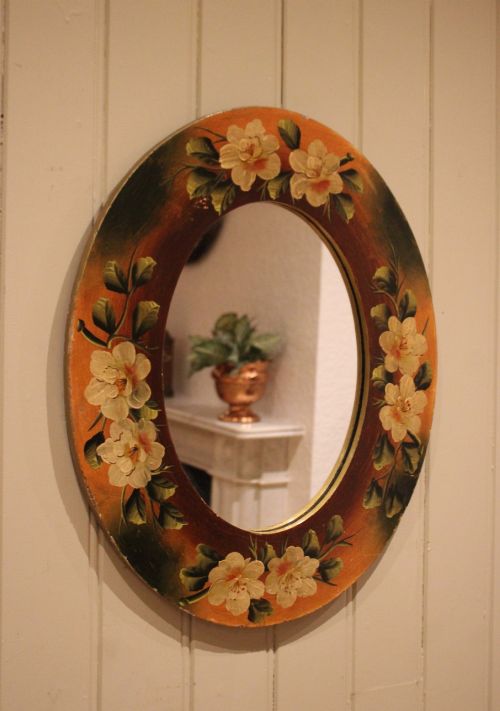
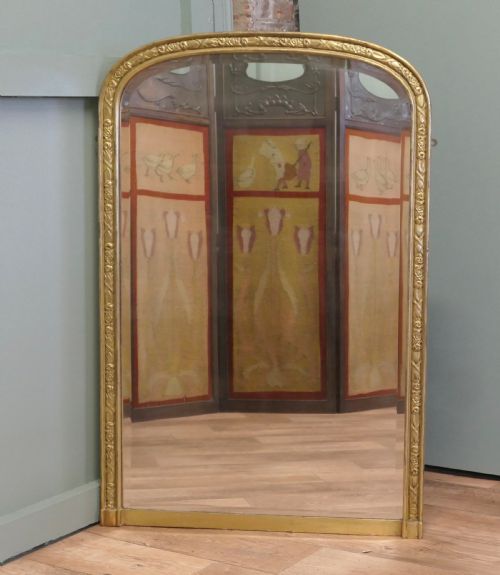
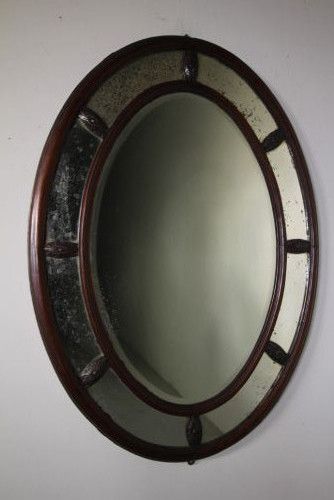
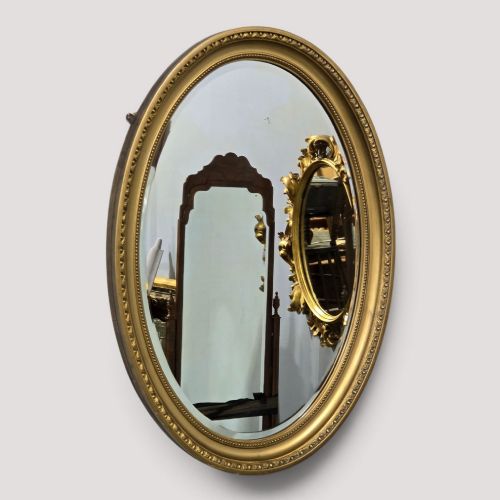
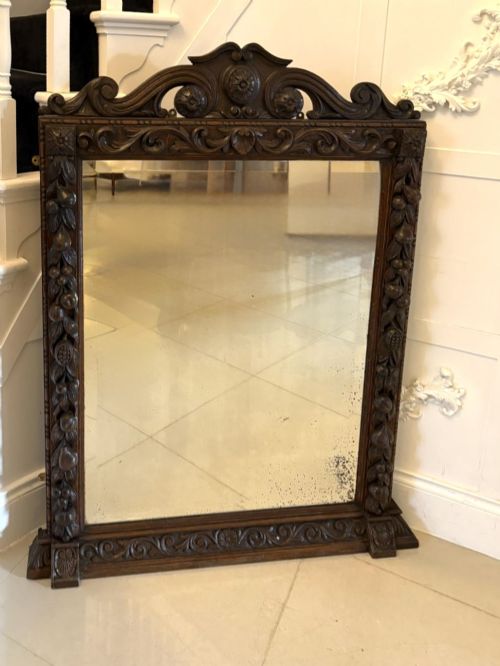
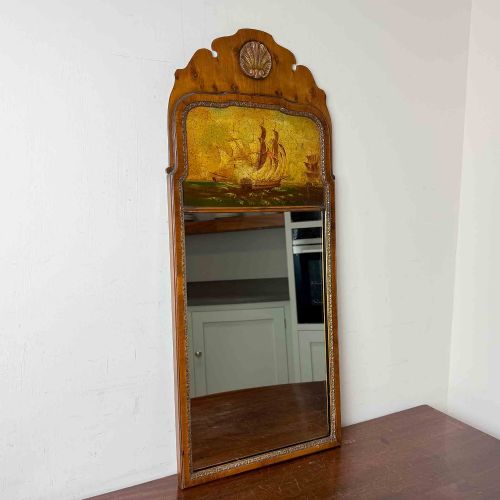
Overmantel mirrors dominate larger formats, often featuring arched tops and intricate gesso work over carved timber. Smaller wall mirrors appear in oval, rectangular, and round configurations, incorporating floral painted finishes, ribbon crests, or simple wooden mouldings. Dressing table versions utilise pivot mechanisms to tilt the glass plate.
Materials and Construction
Makers constructed frames from solid hardwoods like mahogany, oak, and walnut, frequently applying layers of gesso onto a carved timber base to receive gold leaf or paint. Giltwood pieces utilise thin sheets of gold leaf laid over prepared grounds, while other items display natural wood grains or bleached oak finishes.
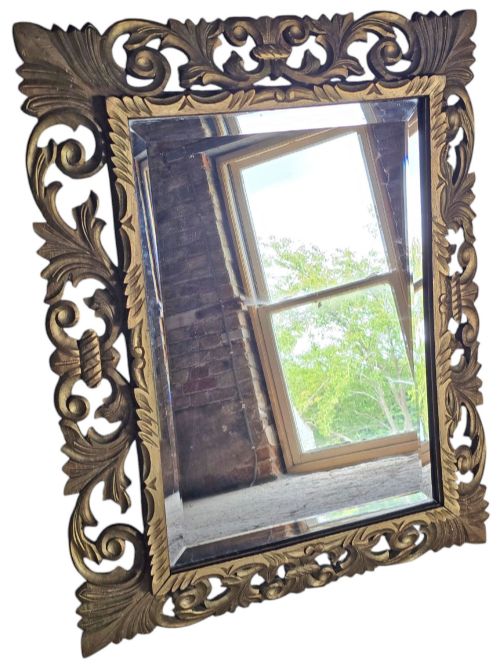
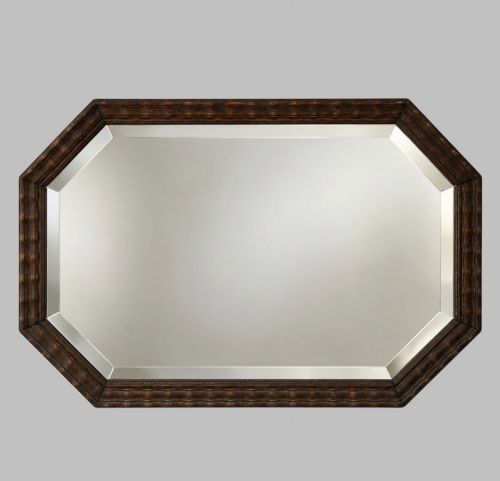
Mirror glass plates range from early mercury glass and antique plates with foxed patination to later bevelled glass inserted into rebated frames. Joinery methods include traditional corner joints, secured backing boards, and applied carved decorative elements such as acanthus leaves, rope twists, and beaded mouldings.
The inventory records diverse forms including French Louis Philippe wall mirrors, Florentine girandoles, and Georgian swing dressing mirrors.
Quality Variations
The standard of carving and the crispness of applied gesso ornamentation separate exceptional examples from simpler production pieces. Deeply undercut wooden foliage and finely rendered details indicate superior workshop output compared to soft, shallow mouldings.
The integrity of the original glass plate and the preservation of the gilding or timber patina heavily influence overall standard. Retaining original mercury glass or untouched gold leaf enhances historical authenticity, whereas poorly executed modern repairs detract from the piece.
Waring and Gillow·Thomas Chippendale
The Wood Frame Mirror Glossary
- Giltwood
- Timber coated with gold leaf over a prepared gesso layer. This finish appears frequently on Regency and Victorian ornate wall mirrors.
- Gesso
- A plaster mixture applied to wood frames to create a smooth surface for gilding or carving. It allows intricate relief decoration.
- Overmantel mirror
- A large mirror designed specifically to hang above a fireplace mantelpiece. These pieces often feature landscape proportions and arched tops.
- Foxed mirror
- Glass showing age-related spots, dark patches, and oxidation. This chemical change occurs naturally in older silvered or mercury plates.
- Pier glass
- A tall, narrow mirror designed to hang on the wall space between windows. These items often incorporate girandole arms for candles.
- Swing mirror
- A dressing table glass mounted on pivots between two upright supports. This allows the user to tilt the viewing angle.
Wood Frame Mirror: Frequently Asked Questions
How do I hang a heavy wood frame mirror?
Large overmantels and heavy framed mirrors require secure wall fixings anchored directly into masonry or substantial wall studs. Weight distribution demands professional evaluation of the hanging wire and brackets attached to the reverse of the frame.
Professional installers use heavy-duty mirror plates or French cleats to support the substantial combined weight of the timber, gesso, and glass.
What is an overmantel mirror used for?
An overmantel mirror is traditionally hung directly above a fireplace mantelpiece to reflect light and fill the vertical wall space. These wide formats balance the proportions of a hearth and brighten darker rooms.
Victorian and Georgian interiors frequently utilised these large statement pieces as architectural focal points within reception rooms.
How do I clean an antique wood frame mirror?
Dust carved wood and gesso frames gently with a soft, dry brush to avoid damaging fragile or aged gilding. Moisture can soften traditional gesso and lift gold leaf from the timber base.
Clean the glass plate using a mild glass cleaner applied to a cloth rather than sprayed directly, preventing liquid from seeping behind the antique mirror plate.
How can I tell the age of a mirror frame?
Dating relies on examining the timber species, construction joints, backboards, and the manufacturing characteristics of the glass plate. Eighteenth-century pieces often feature hand-carved details and older plate glass, while Victorian items frequently incorporate moulded gesso.
Secondary woods on the reverse and fixings such as hand-cut screws provide further clues regarding the period of manufacture.