

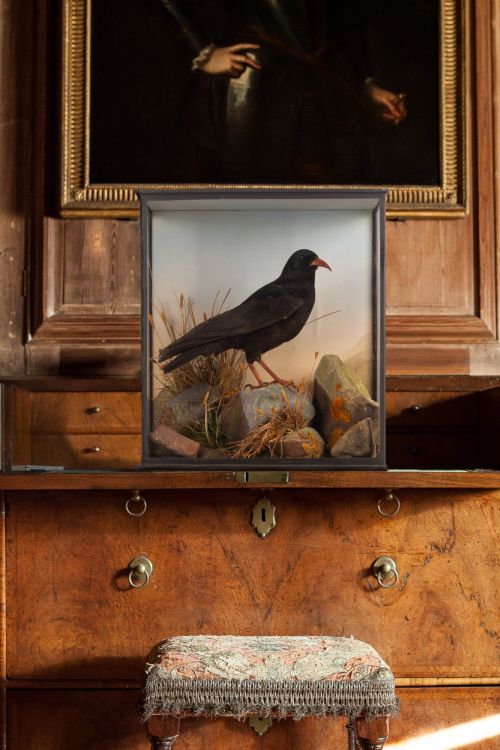
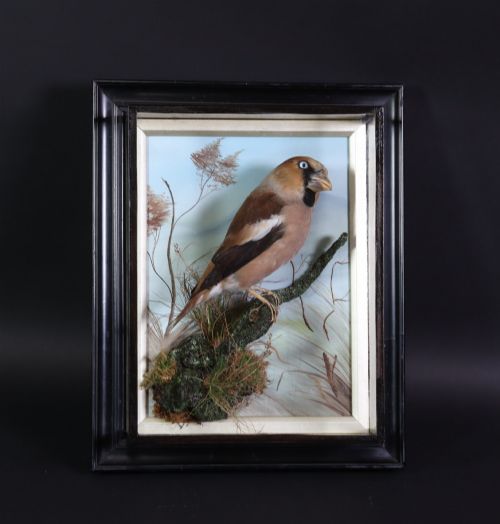
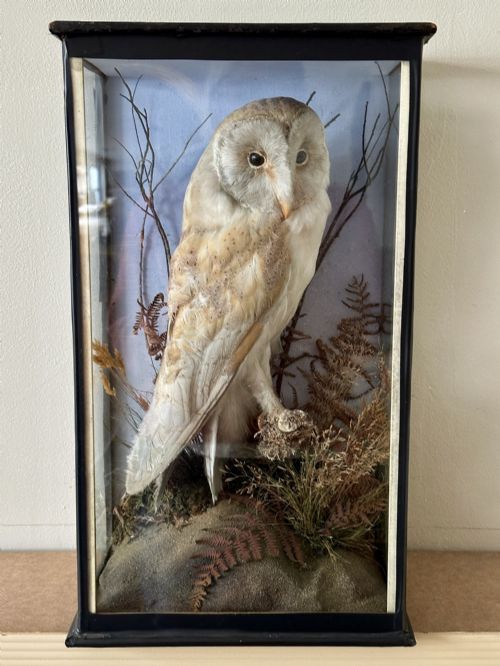
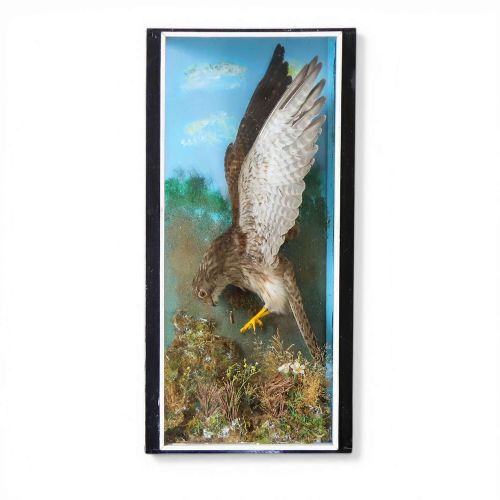


Wood Cased Taxidermy
Wood cased taxidermy brings preserved specimens into domestic rooms within glass and timber enclosures.
Wood Cased Taxidermy
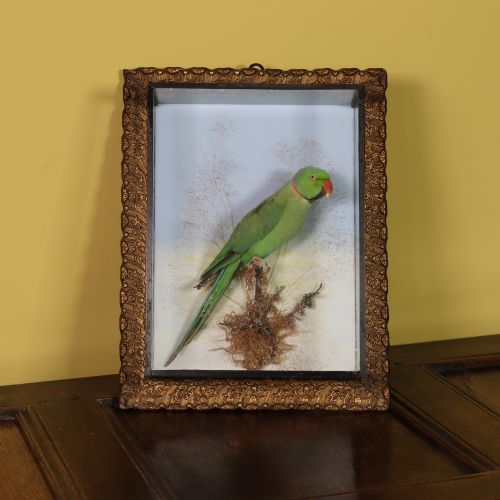
When you search for wood cased taxidermy, you encounter preserved specimens housed inside glazed wooden frames, wall cabinets and architectural dioramas. These items span periods from the mid-nineteenth century through the Edwardian era and into the early twentieth century.
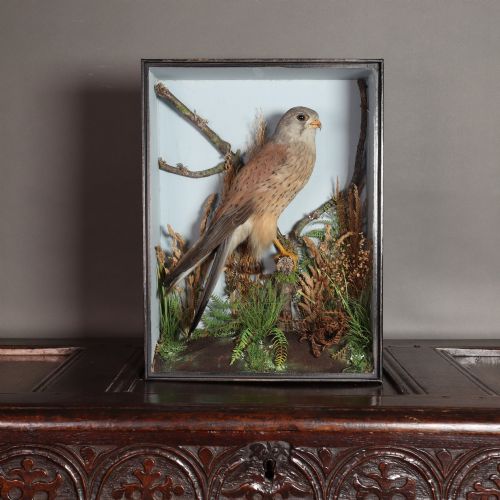
The objects take several distinct forms on this page, including picture frame cases, wall-hanging display cabinets, and table spectacles such as kestrel dioramas, jays, parakeets, waxwings, owls, and roach specimens.
Many examples originate from English workshops and taxidermists, combining botanical elements, painted backgrounds, and snow scenes with avian and aquatic subjects.
How they were made
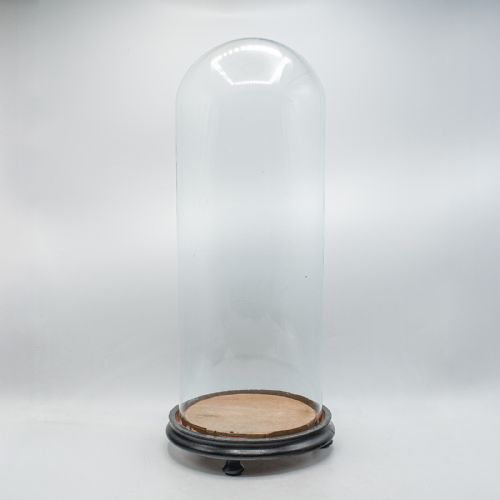
Makers construct the primary enclosures from timbers such as oak, mahogany, pine, and ebonised wood, fitted with clear glass panels or blown domes to protect the delicate contents. Internal settings incorporate painted paper, felt, and fabric backdrops to simulate natural habitats.
Preserved specimens are mounted onto artificial branches or rocks alongside preserved feathers, moss, and foliage to recreate convincing ecological displays.
Wood Cased Taxidermy Retail Price Guide 2026
Typical asking prices for wood cased taxidermy among the pieces listed under this phrase on Sellingantiques today, from the lower quarter to the upper quarter. They describe what is for sale here now, not the wider market.
The listings show specimens mounted in ebonised wood frames, oak cabinets, and glass domes dating from the Victorian and Edwardian eras.
What varies in quality
The standard of wood cased taxidermy depends upon the naturalism of the taxidermy mount and the artistic complexity of the internal diorama. Skilled practitioners arrange birds and fish with dynamic postures and realistic anatomical proportions rather than rigid, flat stagings.
Cabinetwork influences the overall merit, with well-joined timbers, clean glazing, and preserved maker labels indicating superior workshop origin.
T. E. Gunn·William Bazeley and Sons·James Jones·James Gardner
The Wood Cased Taxidermy Glossary
- Diorama
- A three-dimensional scene depicting animals in a simulated natural environment. These enclosures often include painted backdrops and artificial foliage.
- Ebonised
- Wood treated with a chemical stain or finish to resemble ebony. This dark finish appears frequently on nineteenth-century display frames.
- Cloche
- A bell-shaped glass cover used to protect delicate specimens or ornaments. They sit upon wooden bases without fixed cabinetry.
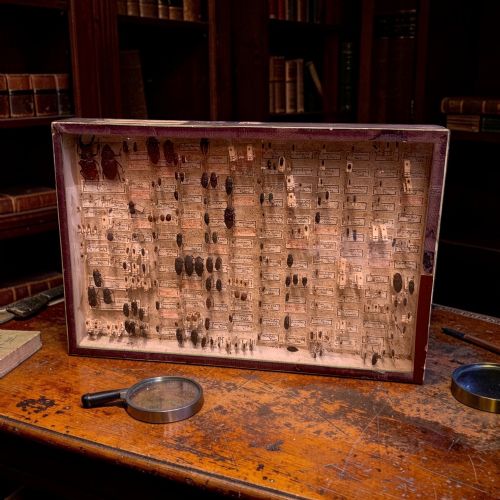
- Entomology case
- A shallow wooden box fitted with glass for displaying preserved insects. These function as specialised cabinets for scientific collections.
- Specimen
- An individual animal or plant preserved for study and display. In these listings, they form the central focus of each enclosed case.
Wood Cased Taxidermy: Frequently Asked Questions
How should I clean the glass on wood cased taxidermy?
Use a dry microfiber cloth on the exterior glass surfaces to remove dust without disturbing the seals. Avoid applying liquid cleaners directly to the timber or the joints.
Keep moisture entirely away from the internal compartment to prevent mould growth or paper deterioration inside the case.
Where is the best place to hang or place these cabinets?
Position cases away from direct sunlight and strong heat sources to protect feathers, painted backdrops, and wooden frames from fading or warping. Stable indoor environments preserve the organic materials best.
Wall display cabinets require secure fixings into structural studs due to the combined weight of timber, glass, and specimens.
Can the specimens inside be removed?
The interior animals and dioramas are fixed permanently to the baseboards and back panels to maintain the original composition. Opening the sealed cases risks damaging fragile feathers and historical taxidermy mounts.
Leave the enclosures sealed to preserve the structural integrity and historical arrangement of the display.