

Natural History Mount
When you search for natural history mount, you enter a world of preserved specimens that capture the Victorian fascination with the natural world.
Natural History Mount
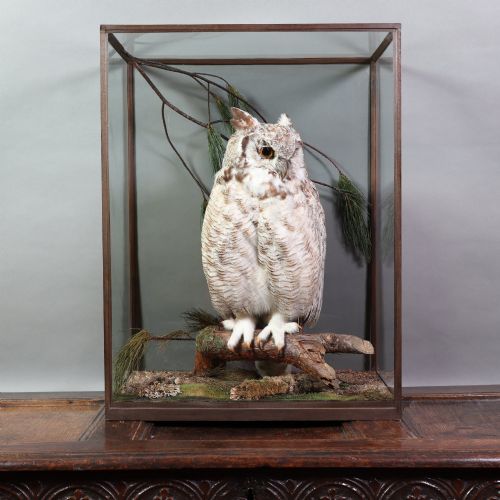
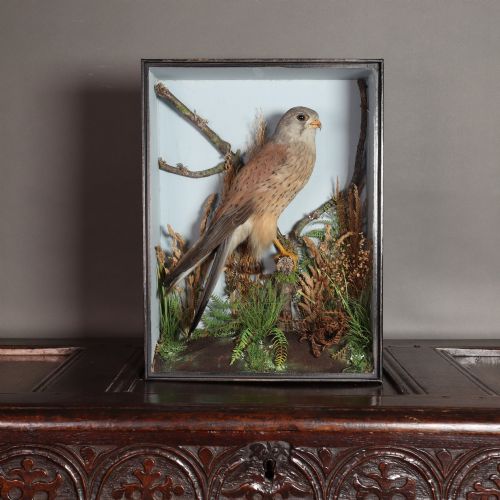
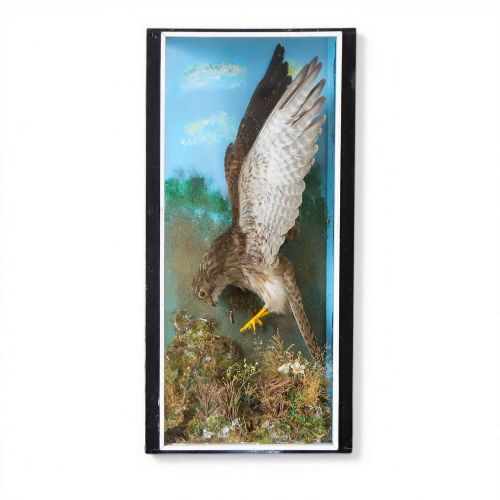
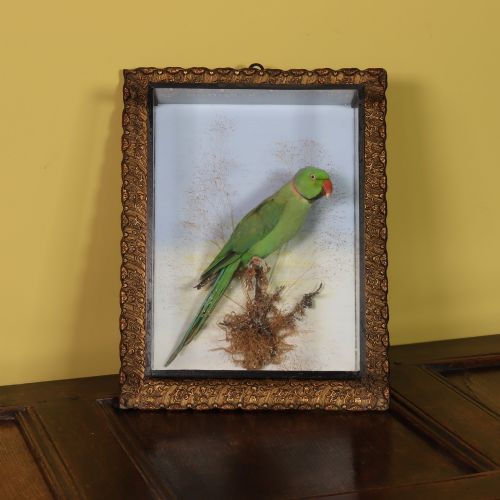
A natural history mount encompasses preserved specimens and taxidermy displays that reflect the nineteenth and early twentieth century passion for collecting. Buyers seeking this phrase encounter everything from solitary birds of prey to elaborate dioramas housed in glass cases.
The objects on this page span the Victorian era, Edwardian period, and early twentieth century, originating from workshops across England. Common forms include taxidermy display cases, wall art, and dome enclosures containing fish, birds, and mammalian trophies.
Displays often incorporate painted backgrounds or naturalistic settings like snow scenes to mimic the living habitat of the specimen. From small songbirds to large antelope horns and crocodile skins, these pieces served both scientific study and domestic decoration.
Materials and Construction
Taxidermists utilised wood, glass, and paper to construct protective display cases that shielded fragile specimens from dust and humidity. Oak and ebonised timber formed the structural frames, often featuring deep giltwood mounts around glass viewing panels.
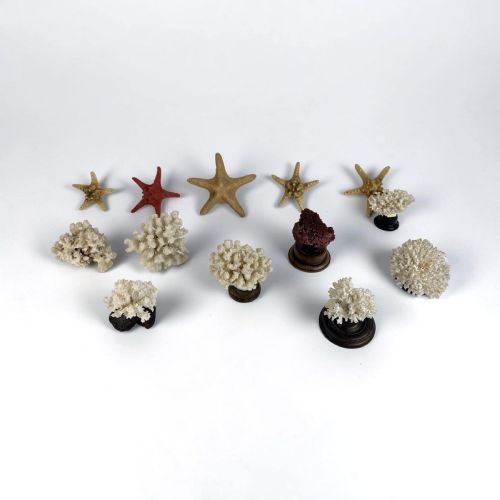
Preserved fauna incorporated organic materials including feathers, horn, bone, and moss to recreate realistic anatomical postures and ground settings. Skilled practitioners mounted fish, mammals, and birds onto sculpted armatures within painted wooden dioramas.
Even a famously fierce Nile crocodile found itself quietly repurposed as Victorian parlour decor.
Judging Quality and Execution
Quality rests upon the taxidermist's ability to render anatomical accuracy and natural vitality in the preserved creature. Master practitioners achieved lifelike postures and expressions that avoided the stiff appearance common in lesser work.
The construction of the housing unit itself dictates the overall standard of the piece, from simple wooden frames to elaborate painted cases with detailed botanical elements. Signed work by established practitioners commands attention for its documented provenance and superior preservation.
Little & Co·J Griffiths of Burford·James Gardner of London·Rowland Ward Ltd·T. E. Gunn·William Bazeley & Sons·Gerrard & Sons London·A Pollard·Hutchings of Aberystwyth·James Jones of London
The Natural History Mount Glossary
- Taxidermy
- The art of preserving, stuffing, and mounting the skin of animals for display. Practitioners shaped internal frameworks to recreate the living form of birds, fish, and mammals.
- Diorama
- A three-dimensional scenic display housing preserved specimens within a painted or constructed natural habitat. These settings frequently included artificial foliage, moss, and painted backgrounds.
- Dome
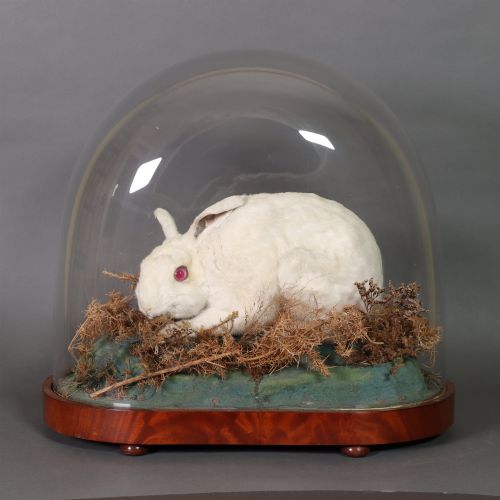
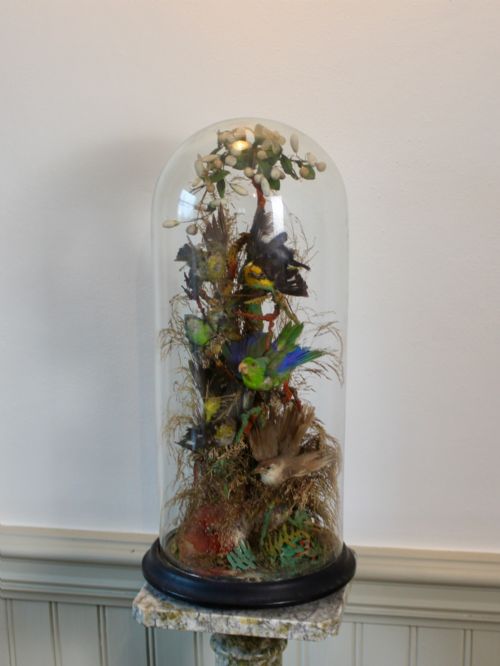
- A convex glass cover placed over a wooden or velvet-lined base to protect delicate specimens. They were popular for displaying colourful birds and butterfly collections in Victorian parlours.
- Trophy
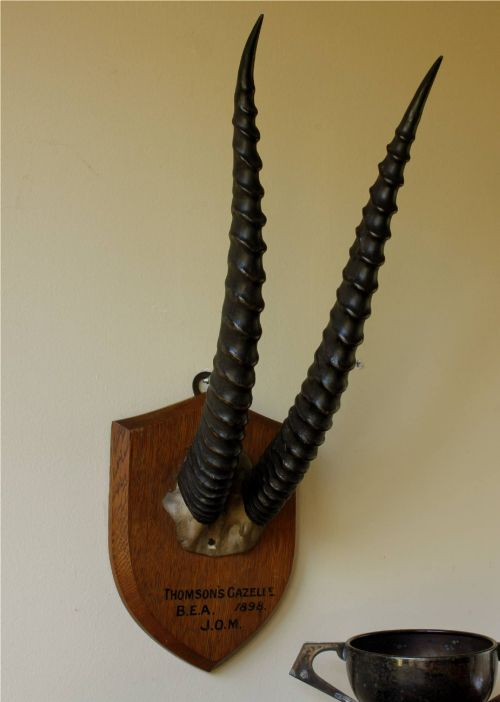
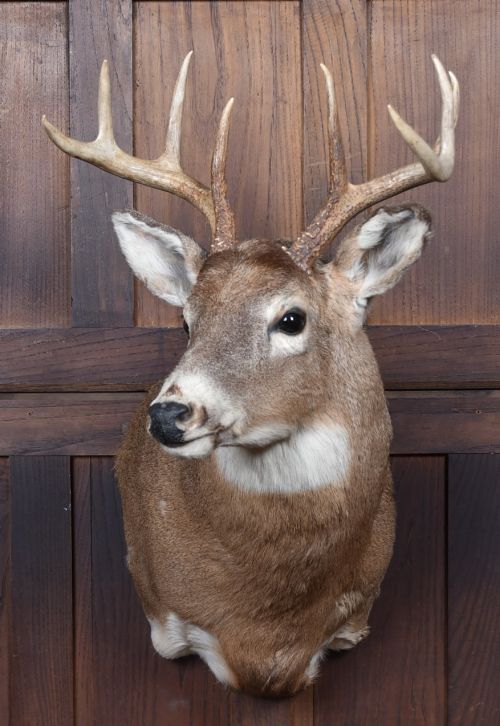
- An animal head, horns, or skin mounted to commemorate a hunt or expedition. Common examples include deer antlers and gazelle horns attached to carved wooden shields.
- Specimen
- An individual animal or plant collected for scientific study or display. In these listings, they form the central focus of cabinets and framed cases.
Natural History Mount: Frequently Asked Questions
How should I display taxidermy at home?
Keep mounted specimens away from direct sunlight and damp environments to protect fragile feathers, fur, and paper components. Enclosed glass cases naturally shield the internal materials from dust and handling.
Position larger wall trophies on sturdy fixings into solid walls. Allowing adequate space around each piece highlights the intricate details of the natural settings.
What periods do these pieces come from?
The majority of pieces date from the Victorian era and the Edwardian period, spanning the late nineteenth century into the early twentieth century. These decades saw a surge in amateur and professional natural history collecting.
Later items extend into the nineteen-twenties and nineteen-thirties, maintaining traditional taxidermy methods. Each era brought distinct styles of casing and display scenery.
How do I identify a taxidermy case?
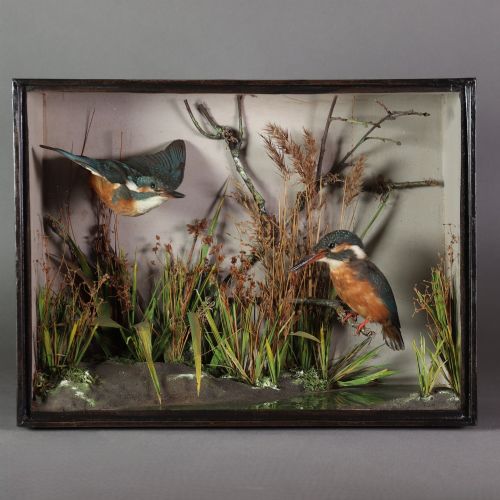
Taxidermy cases typically consist of a wooden frame with glass panels on the front and sometimes the sides for viewing. Inside, the specimen is fixed against a painted backdrop that represents its natural habitat.
Many period pieces include maker labels pasted inside the wooden casing or on the reverse. Examining the framing materials and construction techniques helps determine the age of the display.
What animals appear in these mounts?
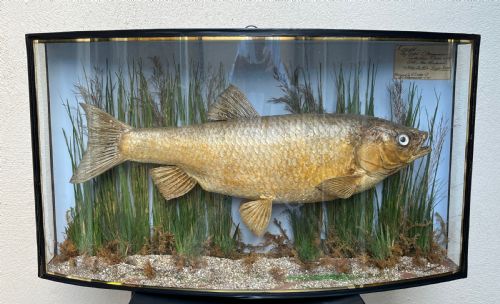
British birds such as kingfishers, jays, owls, and kestrels frequently appear alongside exotic species from global expeditions. Fish such as roach also feature prominently in dedicated glass curved cases.
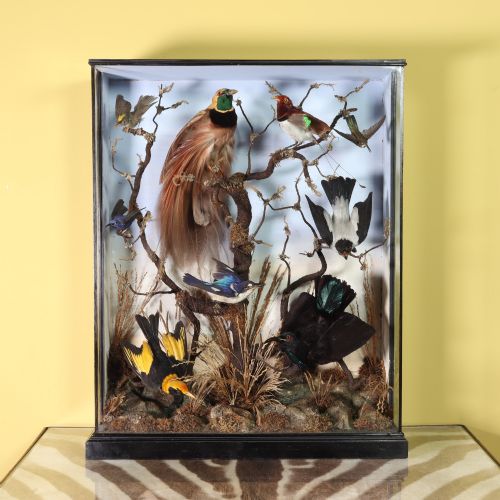
Larger mammalian specimens include deer heads, gazelle horns, and exotic trophies like crocodiles. Miniature compositions often group several colourful birds together within a single snow scene or woodland diorama.