

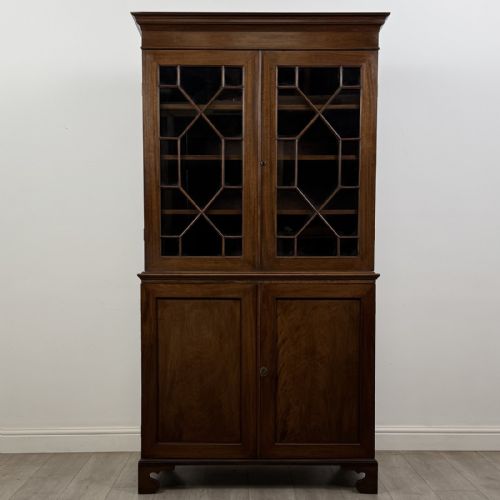
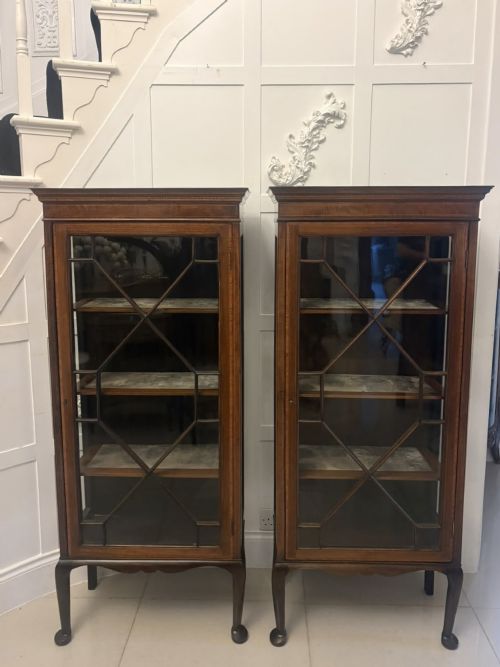
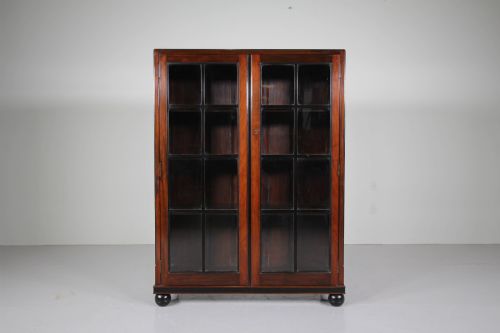
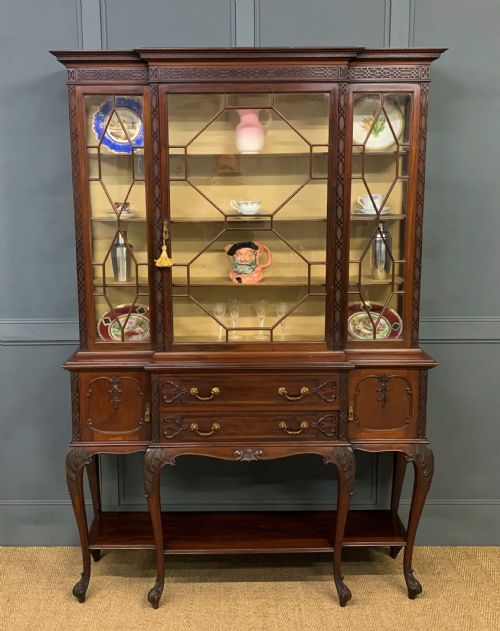
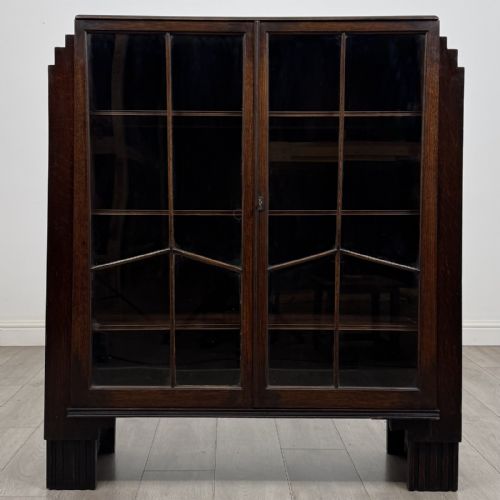
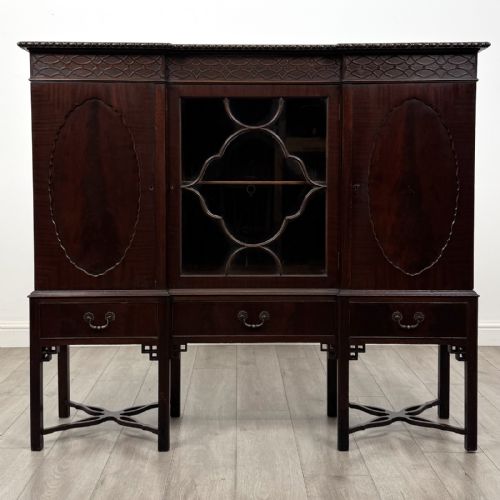
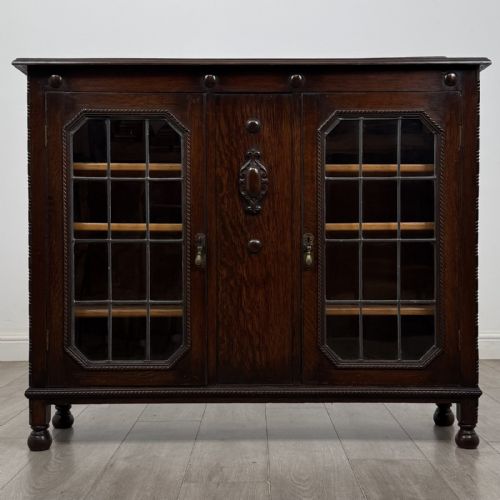
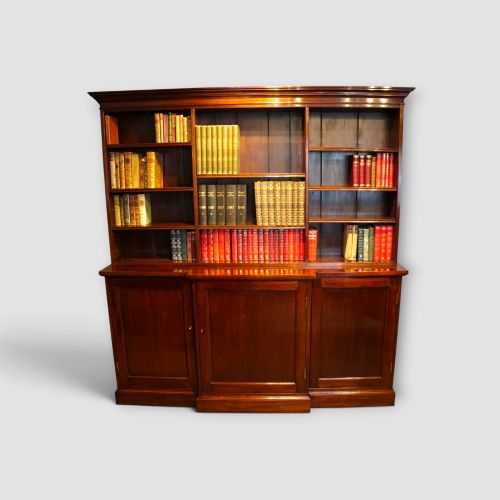
Wood Bookcase with Cupboard
A wood bookcase with cupboard combines open shelving for volumes with concealed storage below, offering a practical solution for organising a room.
Wood Bookcase with Cupboard
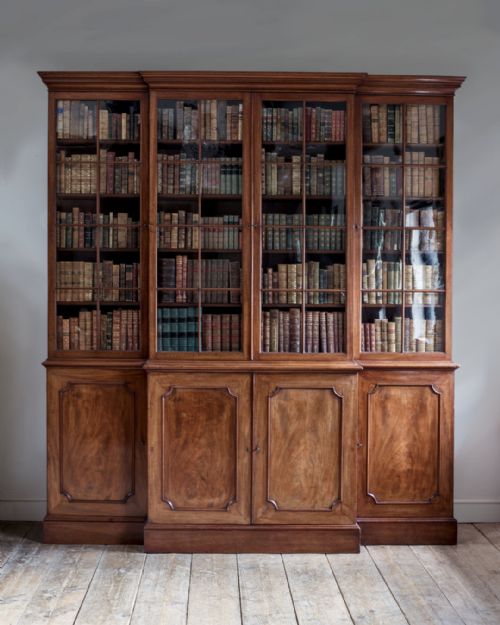
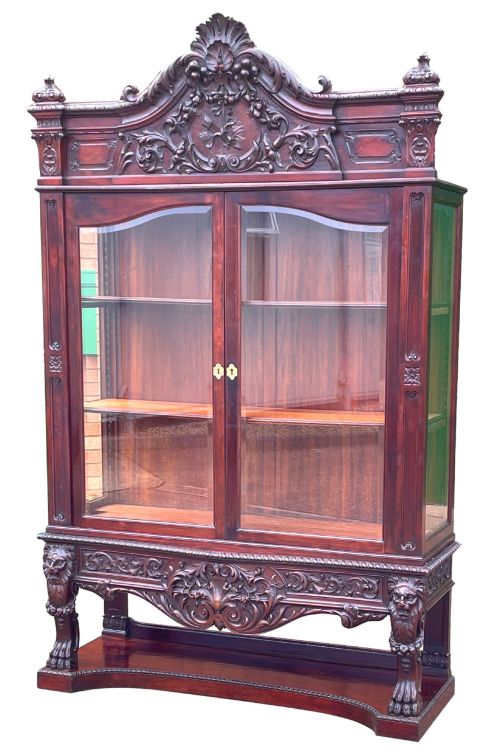
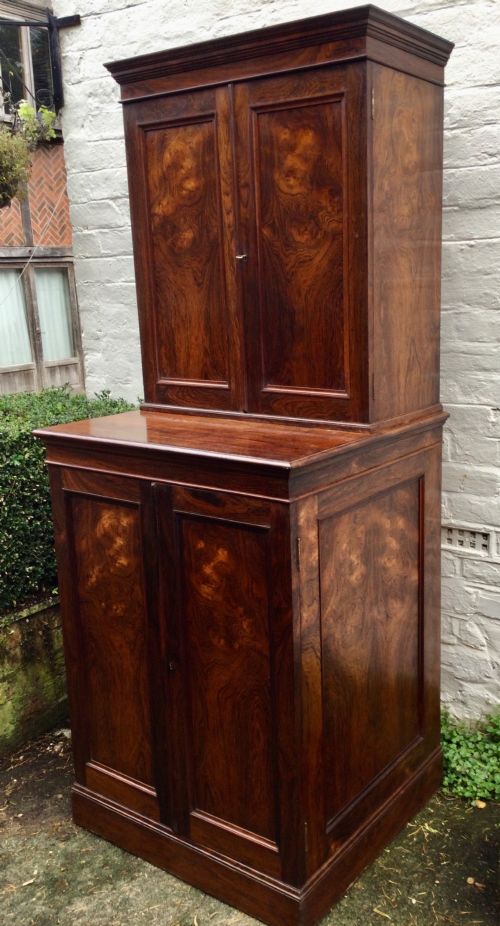
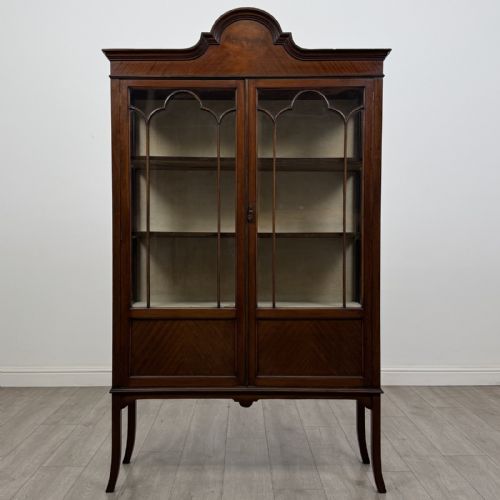
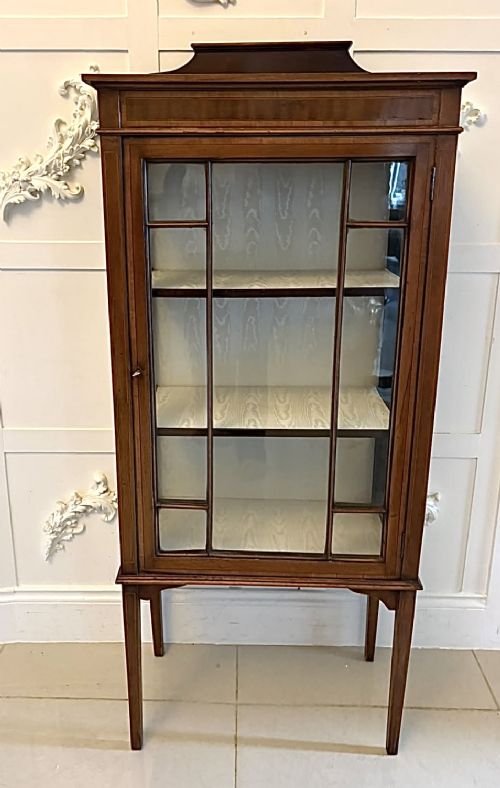
A wood bookcase with cupboard brings together upper display space and lower enclosed storage, appearing frequently in Victorian, Edwardian, and Georgian forms. Buyers searching this phrase encounter hybrid pieces that serve both library and cabinet functions within a single footprint.
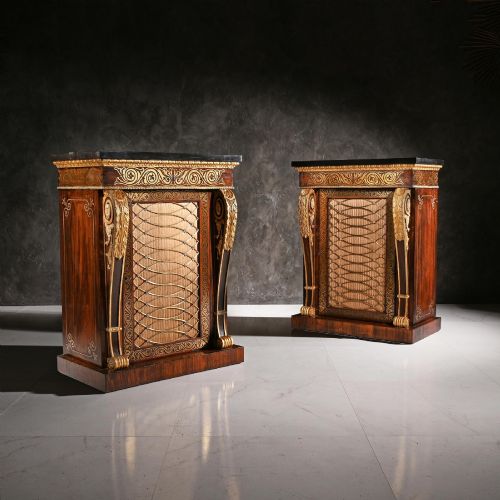
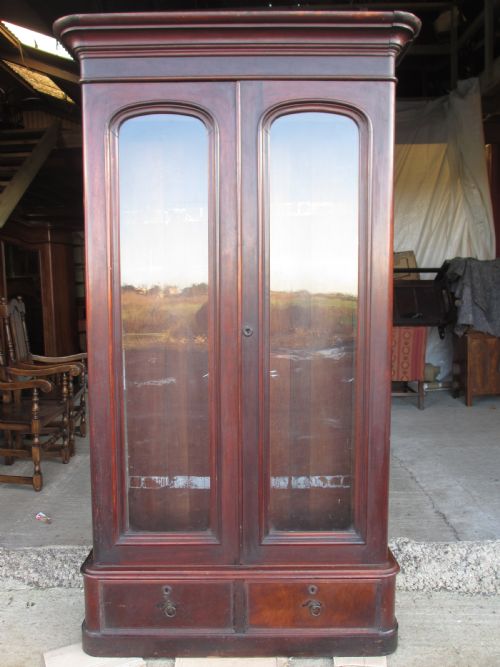
The selections span from late nineteenth-century oak examples to early nineteenth-century mahogany cabinets fitted with glazed doors or solid panels. These items range from compact floor models to taller two-piece configurations designed to hold collections of books alongside household items.
Materials and construction methods
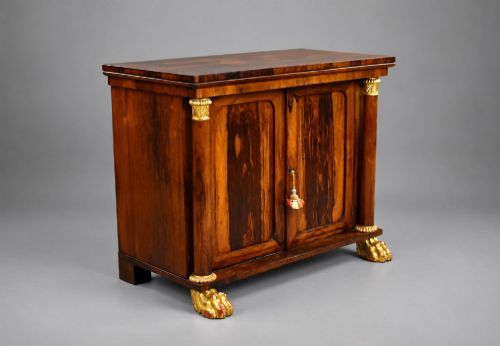
Cabinetmakers constructed these pieces primarily using solid timbers and veneers of mahogany, oak, and rosewood, sometimes accented with satinwood inlay or brass hardware and castors. Wood selection dictated the structural integrity and visual character, with dense hardwoods providing durability for load-bearing shelves.
Joinery methods involved traditional techniques suited to heavy cabinetry, while doors incorporated glazed panels or solid timber frames. Surfaces were finished to highlight the natural grain of the wood, occasionally featuring painted decoration or fabric panels.
Wood Bookcase with Cupboard Retail Price Guide 2026
Typical asking prices for wood bookcase with cupboard among the pieces listed under this phrase on Sellingantiques today, from the lower quarter to the upper quarter. They describe what is for sale here now, not the wider market.
Listings feature woods including mahogany, oak, rosewood, satinwood, and walnut across Victorian, Regency, Edwardian, and Georgian periods.
Assessing construction and material quality
The standard of a wood bookcase with cupboard depends heavily on the selection of timber and the precision of its cabinetry, such as figured mahogany or finely matched veneers. Superior examples display careful attention to detail in the mouldings, joinery, and hardware.
Robert Strahan
The Wood Bookcase with Cupboard Glossary
- Mahogany
- A durable tropical hardwood prized for its rich reddish-brown colour and stability in cabinetmaking. It forms the primary material for a large proportion of nineteenth-century bookcases.
- Glazed door
- A timber frame fitted with glass panes to enclose shelves while keeping the contents visible. This feature is common on display cabinets and bookcase upper sections.
- Chiffonier
- A low sideboard or cabinet featuring a cupboard beneath, frequently surmounted by a shelf or bookcase superstructure. It serves as a multifunctional piece for storage and display.
- Inlay
- A decorative technique where contrasting woods or materials like satinwood are set into the surface timber to create patterns. It appears frequently on Edwardian and late Victorian pieces.
- Waterfall bookcase
- A set of open shelves diminishing in depth from bottom to top, often combined with a lower cabinet section. This form provides a stepped profile for book storage.
Wood Bookcase with Cupboard: Frequently Asked Questions
How do I date a wood bookcase?
Dating relies on observing timber choices, construction techniques, and stylistic markers such as inlay work or hardware styles. Examining the secondary woods inside drawers and the type of fixings provides further chronological clues.
Comparing the piece against documented examples from periods like the Regency or Edwardian eras helps narrow down the decade of manufacture. Original labels or stamps, where present, offer definitive attribution.
Are the shelves adjustable?
Many nineteenth-century and twentieth-century bookcases feature adjustable shelves supported by wooden ratchets, metal pegs, or brass tracks. This allows the interior height to be altered for different book sizes.
Fixed shelves are also common, particularly in earlier Georgian pieces or smaller utility cabinets. Checking the interior uprights reveals whether the support system allows for movement.
What is the difference between a chiffonier and a bookcase?
A chiffonier typically designates a lower sideboard or cabinet with enclosed storage below, sometimes topped by a small superstructure or shelf. A bookcase focuses primarily on vertical book storage with multiple open or glazed shelves.
Hybrid forms blur these definitions by combining open shelving above with a cupboard base. The nomenclature often depends on the primary function intended by the maker.
How should I care for antique wood furniture?
Maintaining wood furniture involves keeping pieces away from direct sunlight and steady heat sources to prevent the timber from drying or cracking. Regular dusting with a dry, soft cloth preserves the polished surface.
Applying appropriate wax occasionally nourishes hardwoods like mahogany and oak without building up heavy residues. Avoiding excessive moisture ensures the original polish and veneers remain stable.