

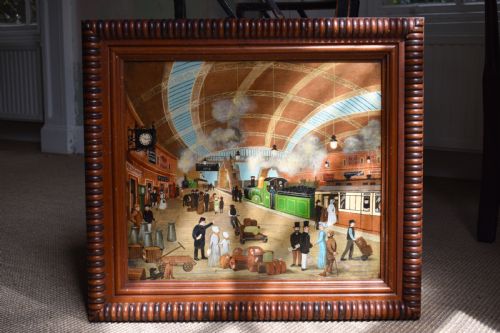
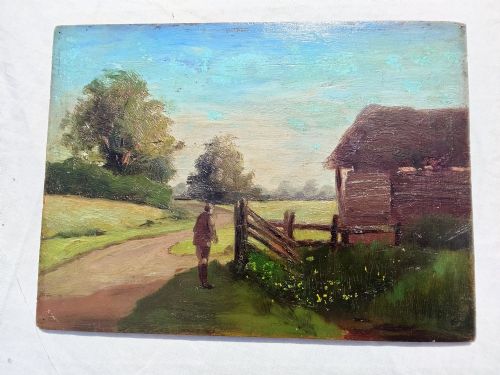
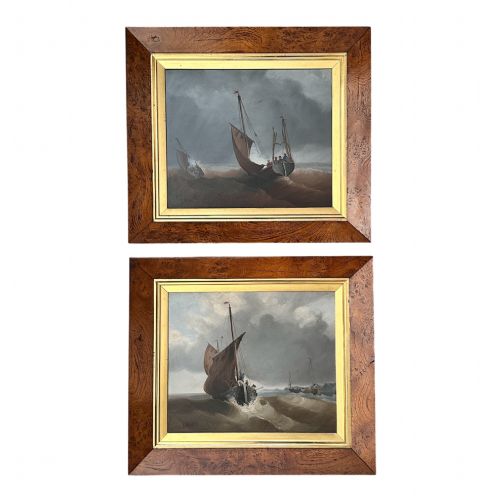
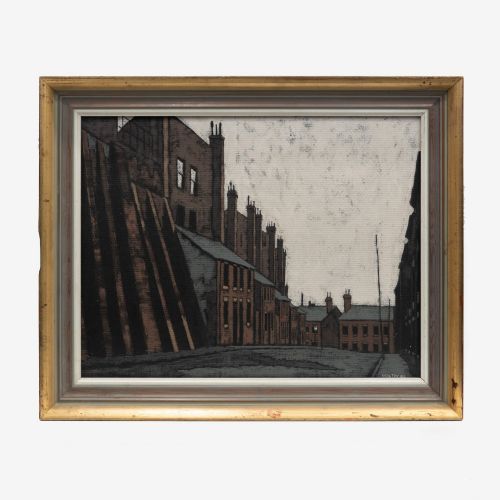



Wood Board Oil Painting
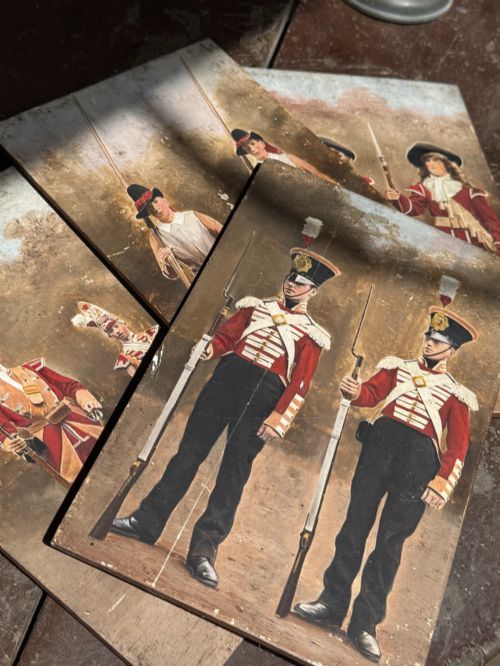
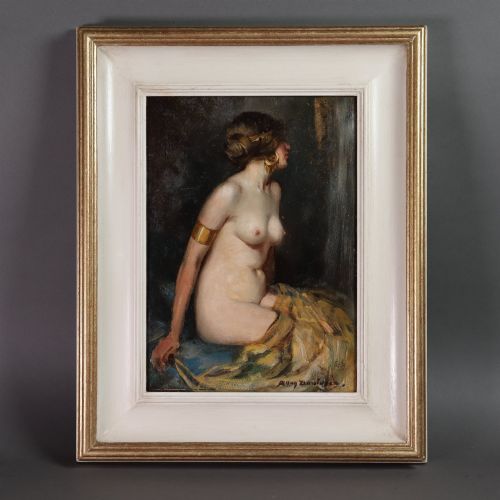
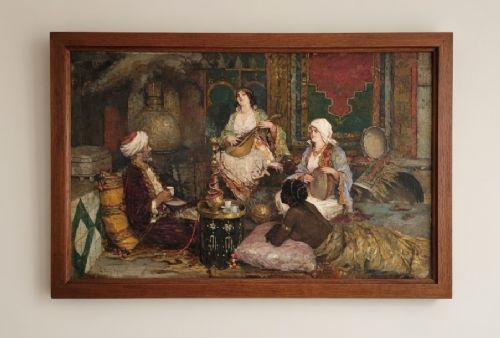
When choosing a wood board oil painting, you select a work carrying rich texture from the Victorian period through to the mid-20th century.
Wood Board Oil Painting
A wood board oil painting brings together rigid panel supports and pigment, offering enduring stability compared to fabric stretched over frames.
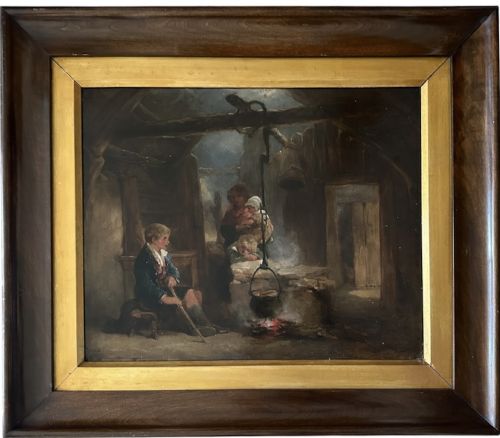
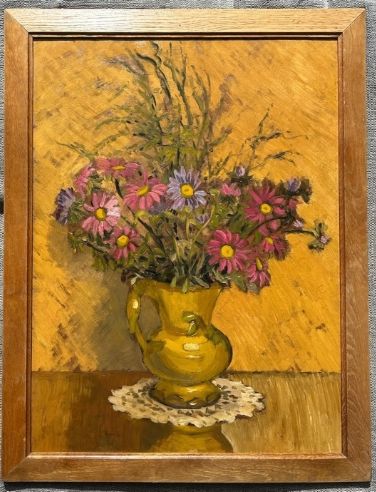
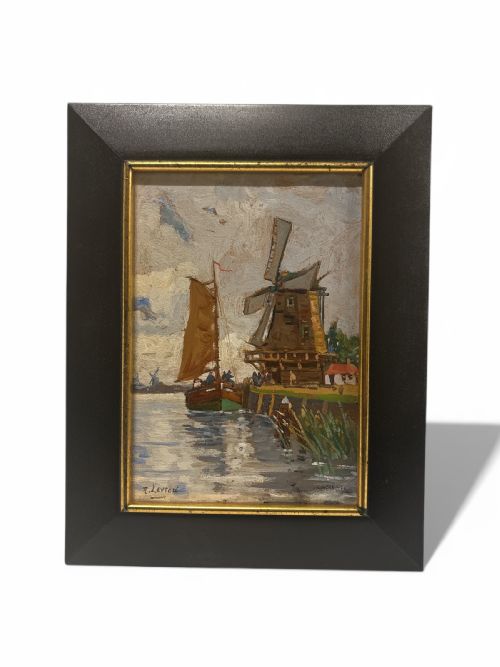
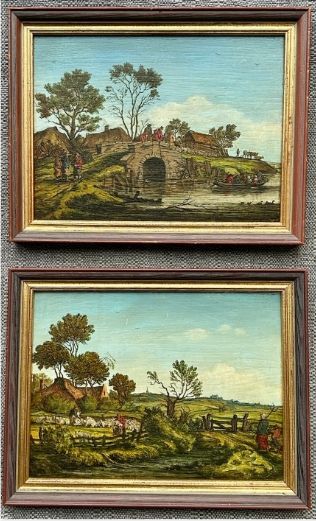
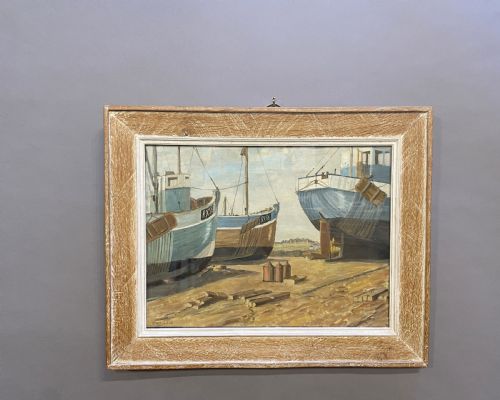
This selection spans 19th-century landscapes and genre scenes to 20th-century still lifes, seascapes, and modernist compositions.
Most pieces encountered here originate from British and European hands, capturing domestic views, rural vistas, and coastal harbours.
How they were made
Artists applied oil paint directly to prepared wooden boards, wooden panels, or canvas laid down on board.
The rigid support allowed for varied brushwork, from smooth glazes on panel to thick impasto applied across wooden surfaces.
Gilt frames, carved wooden surrounds, and decorative plaster cast frames frequently housed these works to protect the edges.
Listings feature works spanning the 19th century through the 1960s, executed in oil paint upon wood, board, and panel.
What varies in quality
The skill of the brushwork and the confidence in capturing light set master works apart from simpler decorative studies.
The condition of the wooden support and the stability of the oil paint layer dictate the longevity of the piece.
The harmony between the painting and its original or period frame elevates the overall integrity of the object.
George Whitton Johnstone·John Moore of Ipswich·Allan Douglas Davidson·Gabriel Puig Roda·Hans Temple·John Falconar Slater·Donald Wood·Carlo Follini
The Wood Board Oil Painting Glossary
- Oil on board
- A painting technique where pigment mixed with drying oil is applied directly to a rigid wooden substrate. This method prevents the sagging associated with stretched fabric.
- Panel
- A flat piece of wood used as a support for painting. Panels offer a firm surface that resists punctures.
- Impasto
- Paint applied thickly to a surface, leaving visible brush or palette knife marks. This technique creates a textured, three-dimensional effect on the wood board.
- Gilt frame
- A wooden surround coated with a thin layer of gold leaf or gold paint. These frames enhance the visual weight of the artwork.
- Genre realism
- Art depicting scenes from everyday life with a high degree of descriptive accuracy. These works record domestic interiors, street scenes, and rural labour.
Wood Board Oil Painting: Frequently Asked Questions
Why did artists paint on wood instead of canvas?
Wood panels provided a completely rigid and durable surface that required minimal preparation. Painters valued the smooth resistance when working with fine brushes.
Boards also stored easily and suffered fewer risks of punctures or tears during transport compared to stretched fabric.
How do I date a wood board oil painting?
Dating relies on the style of dress, architectural details, and the construction marks on the wooden support itself. Signatures and exhibition labels on the reverse offer further clues.
Framing styles also shift across decades, from heavy Victorian plaster to simpler mid-century profiles.
How should I care for an oil painting on wood?
Keep the piece away from direct sunlight and steady changes in humidity to prevent the wood from warping or cracking. Gentle dusting with a dry, soft cloth preserves the surface.
Avoid hanging panels near active heat sources or damp exterior walls.
What subjects are most common in these paintings?
British and European landscapes, rural woodlands, and coastal harbour scenes dominate the selection. Still life studies featuring fruit, flowers, and ceramic jars also appear frequently.
Artists often recorded everyday pastoral activities, architecture, and domestic interiors.