


Wood and Glass Light
These wood and glass light pieces combine timber frames with illuminated glass to brighten rooms with period character.
Wood and Glass Light
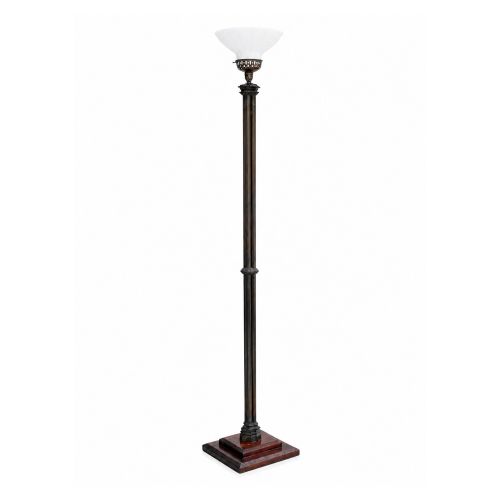
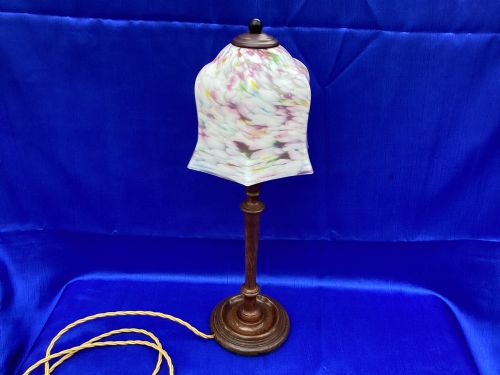
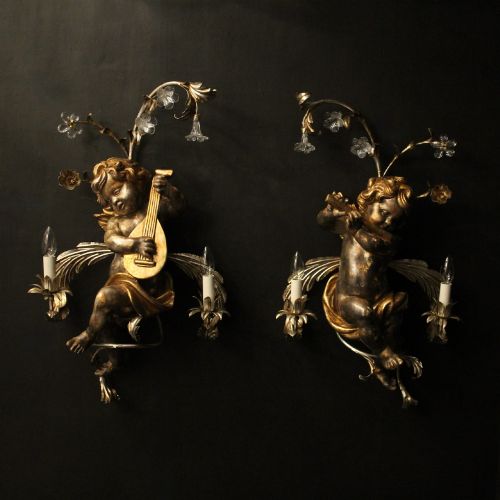
When you search for a wood and glass light, you encounter a varied selection of lamps, wall lights, and hanging lanterns spanning several centuries. The pieces on this page range from early twentieth-century floor lamps and table lamps to grand Italian giltwood wall lights.
The assortment includes domestic lighting alongside large decorative wall decorations and hanging lanterns. These items draw upon styles such as Art Deco, Victorian, Gothic Revival, and Italian Baroque, reflecting diverse historical tastes in illumination.
How they were made
Maker construction relies heavily on combinations of timber and glass, often supported by brass, bronze, and giltwood mounts. Craftsmen shaped oak, mahogany, birch, and pine into structural frames designed to hold glass shades, mirrors, or panels.
Techniques range from carved giltwood and silvered wood framing to modernist mahogany and chrome assemblies. Detail work includes sandblasted glass, opaline finishes, and toleware accents.
A solitary nineteenth-century vanity mirror hides amongst the lamps, quietly reflecting the versatility of glass and wood.
What varies in quality
Quality reveals itself in the harmony between the timber frame and the glass components, particularly where metal mounts or brass details secure the structure. Finer examples display careful carving, substantial wood selection, and integrated glasswork that suits the chosen period style.
The sophistication of the design differentiates standard production from exceptional pieces, such as those featuring Murano glass elements or elaborate giltwood frames. The execution of specialised techniques like sandblasted engraving also marks the higher end of the range.
W Watson And Sons·Hennes France
The Wood and Glass Light Glossary
- Giltwood
- Wood that has been treated with gold leaf or a gold-coloured finish. This technique creates a rich decorative surface seen on many traditional frames and wall lights.
- Toleware
- Painted or lacquered metalware, frequently utilised for decorative accents and fittings on period light fixtures. It provides a colourful contrast to wood and glass components.
- Opaline
- A type of semi-translucent glass that diffuses light softly. It appears commonly in mid-century lamp shades to reduce glare.
- Girandole
- An ornamental branched wall light or sconce that typically incorporates a mirror to reflect and amplify the illumination. These fixtures often feature elaborate carved frames.
Wood and Glass Light: Frequently Asked Questions
How do I clean a wood and glass light?
Dust the timber frame gently with a dry cloth and use a mild glass cleaner applied to a cloth for the glass components.
Avoid spraying liquids directly onto the wood or metal mounts to protect the original finishes.
Can I use modern bulbs in these lights?
Many vintage and antique light fixtures accept modern LED bulbs provided the fitting size and wattage are compatible.
Consult a qualified electrician to check the internal wiring before regular use.
Where should I place a floor lamp?
Position floor lamps in corners or beside seating areas where they can provide ambient illumination without obstructing movement.
Ensure the heavy timber or metal base rests on a stable, level surface.
What defines Art Deco lighting?
Art Deco lighting utilises geometric forms, streamlined silhouettes, and modern materials like chrome alongside traditional woods.
These pieces often feature symmetrical designs and industrial influences from the early twentieth century.