



Wire Grille Cabinet
A wire grille cabinet brings refined storage to a room, combining timber frames with woven mesh doors.
Wire Grille Cabinet
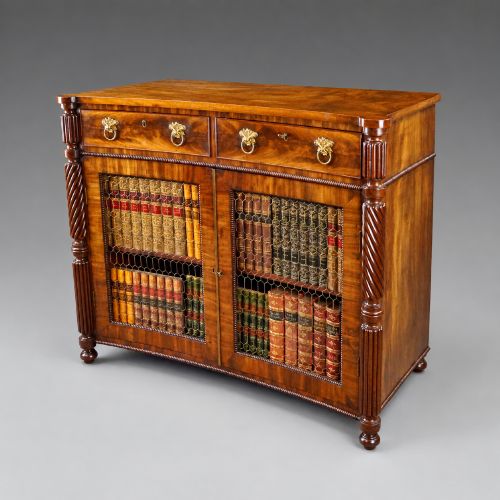
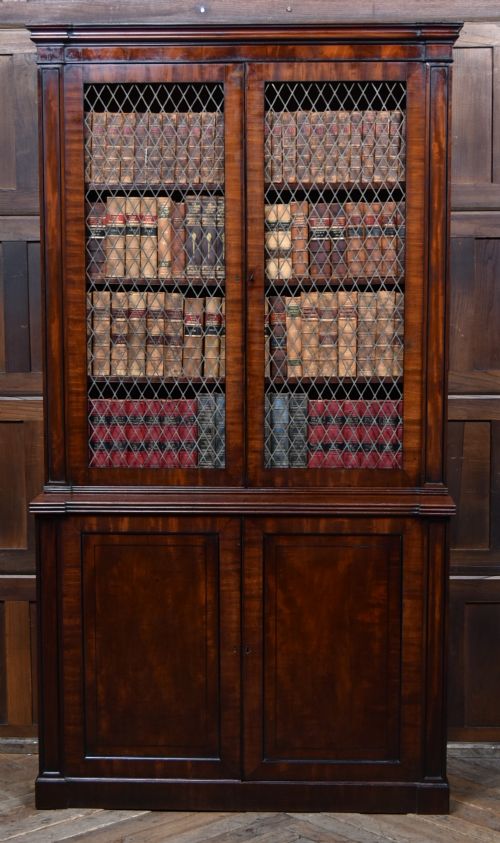
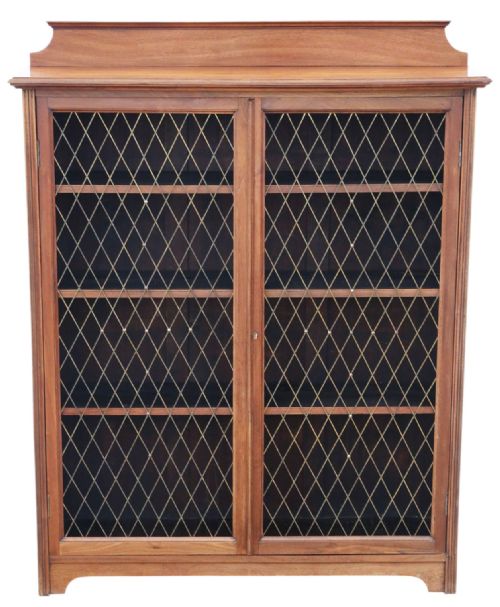
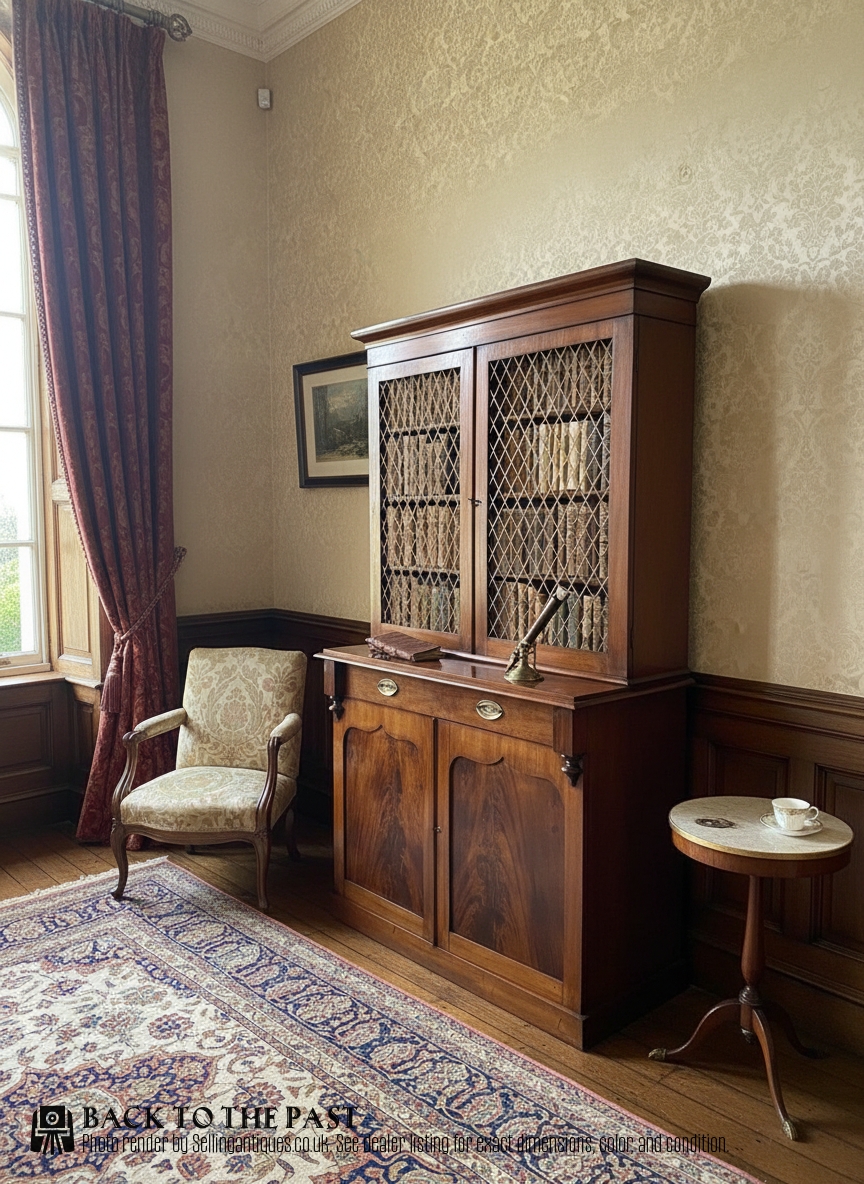
A wire grille cabinet combines timber frames with fine metal mesh panels, serving to store books and display prized possessions behind protective screening. These pieces span centuries of design, with Regency and Georgian examples appearing frequently alongside later nineteenth-century interpretations.
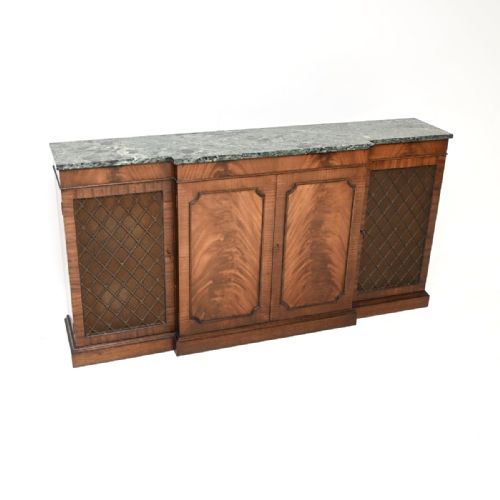
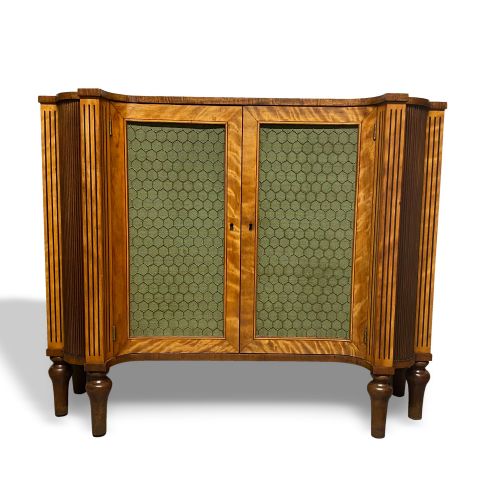
Buyers encounter diverse formats ranging from tall bookcases and breakfront chiffoniers to low side cabinets and rosewood sideboards. The inclusion of wire mesh or brass grille doors unites these varied forms, allowing visibility of the interior while keeping contents secure.
Materials and Construction
Cabinet makers utilised dense hardwoods including mahogany, rosewood, satinwood and walnut to build the foundational carcase and shelving. Selected timbers often received fine boxwood inlay, brass stringing or marble tops to elevate the visual presence.
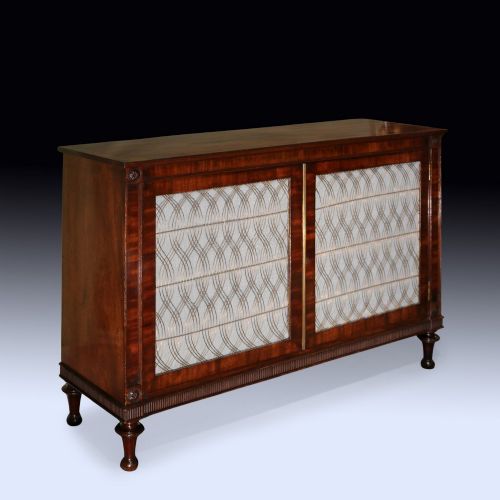
Door panels integrated woven wire mesh or brass grilles, occasionally backed with pleated silk or fabric behind the metalwork. Joinery relied on traditional techniques suited to heavy timber, supporting adjustable display shelves and substantial cupboard doors.
Some cabinets hid library books behind pleated silk so guests only saw shimmering fabric instead of heavy reading matter.
Judging Quality
The distinction between standard examples and top-tier workshop productions rests upon timber selection and secondary wood use. Superior pieces display carefully figured mahogany or rosewood veneers, refined brass inlay and precise joinery that survives centuries of use.
Maker attribution and exhibition provenance elevate specific pieces, particularly when associated with notable cabinet makers such as John McLean or Paul Sormani. The finesse of the brass or wire mesh execution and the integration of interior adjustable shelving further distinguish finer works.
Paul Sormani·John McLean·Ince & Mayhew
The Wire Grille Cabinet Glossary
- Grille
- A lattice of metal wire or brass fitted into cabinet doors to provide ventilation and visibility.
- Chiffonier
- A low nineteenth-century sideboard cabinet featuring enclosed cupboards below, sometimes topped with a raised shelf tier.
- Breakfront
- A piece of furniture where the central section projects forward from the flanking outer sections.
- Kingwood
- A dense, richly figured exotic timber utilised for decorative veneers in fine cabinet making.
Wire Grille Cabinet: Frequently Asked Questions
What is a wire grille cabinet used for?
These cabinets serve primarily for displaying and storing books, china or treasured collections within a principal room. The mesh doors offer ventilation and a clear view of the contents while protecting the interior.
Historically, such pieces functioned in libraries, dining rooms and drawing rooms to house valuable volumes or serving wares. Today they provide practical storage with a distinct decorative character.
How do I identify a Regency period piece?
Regency pieces often display characteristic classical restraint, utilising dark timbers like mahogany and rosewood complemented by brass inlay or gilt mounts. Proportions tend to be architectural, drawing inspiration from neoclassical design.
Look for specific details such as brass grilles, turned columns and boxwood stringing that typify the early nineteenth-century aesthetic. Comparing construction methods to known examples helps confirm the era.
Are the shelves adjustable?
Many of the larger bookcases and cabinets incorporate adjustable shelving systems to accommodate volumes of varying heights. This practical feature allowed libraries to be reorganised as collections grew.
Original brass rackwork or wooden support strips inside the carcase indicate the presence of adjustable tiers. Buyers should examine the interior uprights for these traditional adjustment mechanisms.
How do I care for rosewood and mahogany?
Maintain these timber surfaces by keeping them away from direct sunlight and sudden changes in room temperature or humidity. Regular dusting with a soft, dry cloth preserves the polished finish.
Avoid using silicone-based polishes or harsh chemical cleaners that can damage historic veneer surfaces. Occasional application of quality wax feeds the wood and maintains its natural lustre.