
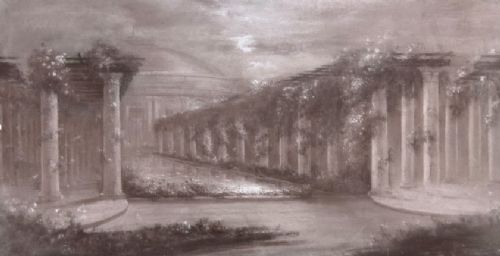
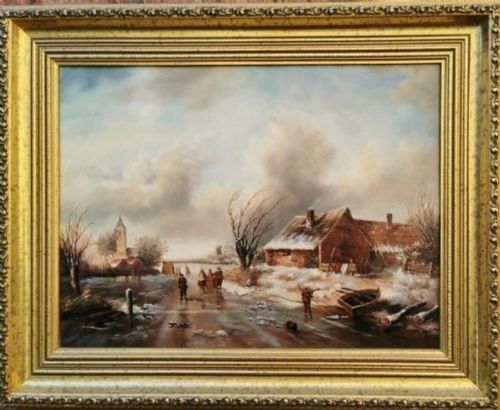
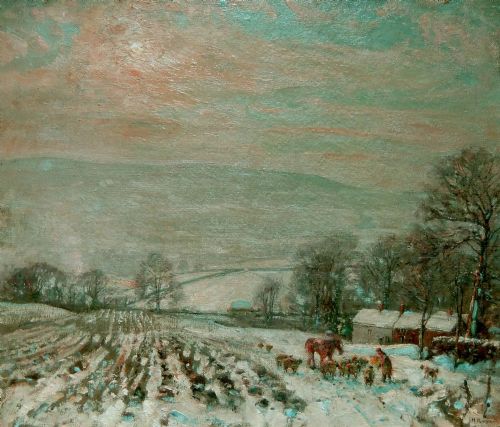
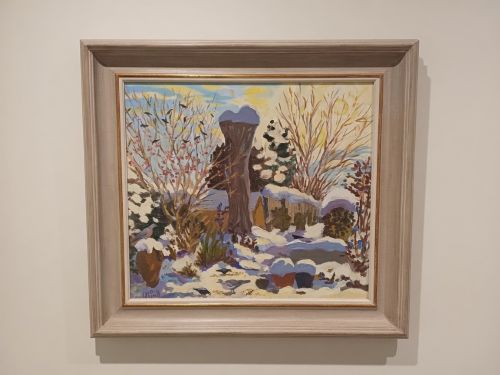
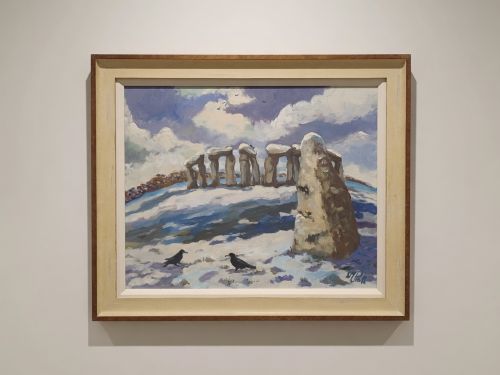
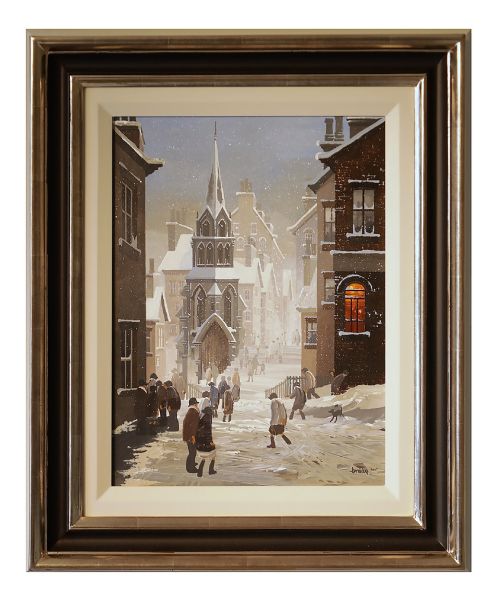
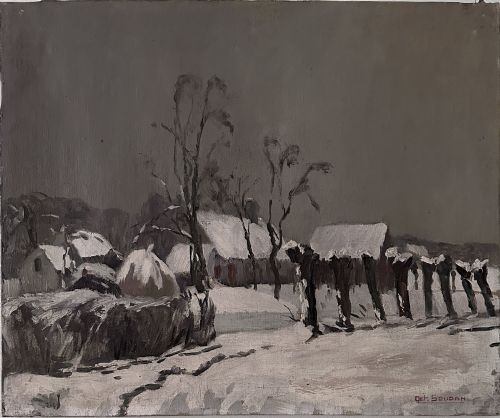
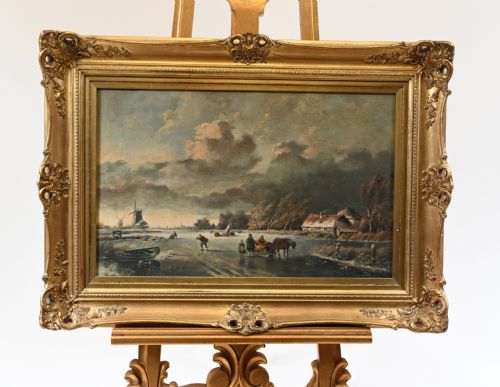


Winter Landscape Painting
Winter landscape painting captures the chill of snow-covered fields and frozen rivers, offering buyers a serene piece of historical atmosphere for their walls.
Winter Landscape Painting
A winter landscape painting typically portrays rural scenes, snow-laden pastures, frozen waterways, and village streets during the colder months. These artworks span from the nineteenth century through the mid-twentieth century, capturing seasonal atmospheres across Britain, Europe, and America.
Buyers will encounter various formats on this page, ranging from detailed oils on canvas to delicate watercolours and gouache on paper. Subjects frequently include livestock in snow, horse-drawn carts, stagecoaches navigating wintry roads, and quiet pastoral cottages.
Materials and techniques
Artists primarily employed oil paint applied to canvas, wood panels, or card to build up rich, textured surfaces representing snow and frost. Others utilised watercolour and gouache on paper, capturing the pale winter light with translucent washes and opaque highlights.
Support materials varied according to the period and medium, with traditional stretchers and wooden boards providing rigid foundations for heavier oil applications. Gilt frames frequently accompany these works, having been selected to complement the cool tones of the painted snow.
Winter Landscape Painting Retail Price Guide 2026
Typical asking prices for winter landscape painting among the pieces listed under this phrase on Sellingantiques today, from the lower quarter to the upper quarter. They describe what is for sale here now, not the wider market.
Listings feature oil paintings and watercolours created across the nineteenth and twentieth centuries, employing canvas, wood panel, and paper supports.
Quality variations
The degree of atmosphere and brushwork control separates standard decorative works from masterly compositions. Superior pieces convey the specific quality of freezing light and atmospheric weight through confident, expressive handling of pigment.
Condition and originality also determine distinction within the range, particularly the preservation of the original pigment vibrancy and the integrity of the ground. Works retaining their period frames and clear artist attribution command greater interest among collectors.
Herbert Royle·William Tatton Winter·John Charles Maggs·Fred Lawson·Lucy Pratt
The Winter Landscape Painting Glossary
- Canvas
- A heavy woven fabric stretched across a wooden frame to serve as a support for oil paintings. It provides a flexible yet durable textured surface for layered brushwork.
- Gouache
- An opaque water-based medium containing pigment and gum, often combined with watercolour on paper. It allows artists to introduce solid, chalky highlights to snowy scenes.
- Panel
- A flat piece of wood used as a rigid support for painting instead of canvas. Wooden panels were frequently utilised in nineteenth-century and earlier continental works.
- Impressionism
- An art style focused on capturing light and momentary effects rather than precise detail. Painters working in this manner used rapid brushstrokes to render shifting winter atmospheres.
- Provincial school
- A term describing regional artists working outside major metropolitan centres, often documenting local topography and rural weather conditions. These works provide authentic records of specific British and European countryside.
Winter Landscape Painting: Frequently Asked Questions
How should I display a watercolour winter scene?
Watercolour paintings on paper require protection from direct sunlight to prevent the fading of delicate pigments. Framing behind conservation glass ensures the paper remains shielded from ambient moisture and environmental damage.
Positioning these works away from direct heat sources also prevents the paper and mount board from warping over time. Proper framing preserves the integrity of nineteenth and early twentieth-century pieces.
What subjects are common in these paintings?
Common subjects include rural farmsteads in snow, livestock such as sheep and Highland cattle feeding, and frozen rivers with skaters. Artists also recorded coaching scenes, stagecoaches in snowstorms, and quiet woodland paths during winter.
These motifs reflect the traditional preoccupation with rural life and seasonal labour. Regional landscapes from Yorkshire, the Dutch school, and European countryside feature prominently.
How do I date an antique winter painting?
Dating relies on stylistic evidence, artist signatures, framing materials, and the physical substrate such as canvas type or panel construction. Victorian and Edwardian works often exhibit specific tonal palettes and brushwork conventions typical of their decade.
Exhibiting labels, inscriptions on the reverse, and biographical details of the artist further narrow the production era. Comparing the work with documented pieces by the same school provides additional chronological context.
Are oil paintings on panel different from canvas?
Paintings executed on wood panels offer a rigid, stable surface that behaves differently over time compared to flexible woven canvas. Panel works from the nineteenth century are less prone to the sagging or puncture risks associated with stretched fabrics.
Wooden supports require stable humidity conditions to prevent the timber from splitting or warping as seasons change. Both supports hold pigment securely when maintained in suitable indoor environments.