


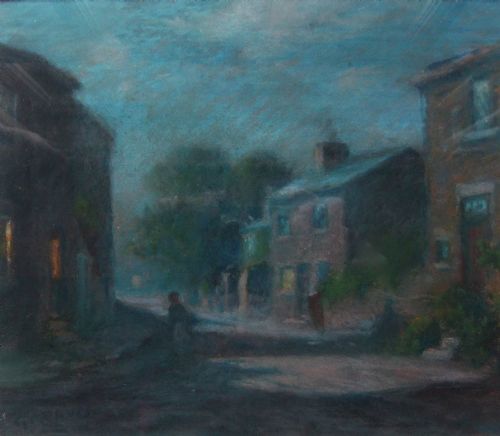


Vintage Village Painting
A vintage village painting captures rural life and historic settlements across paper, canvas and wood.
Vintage Village Painting
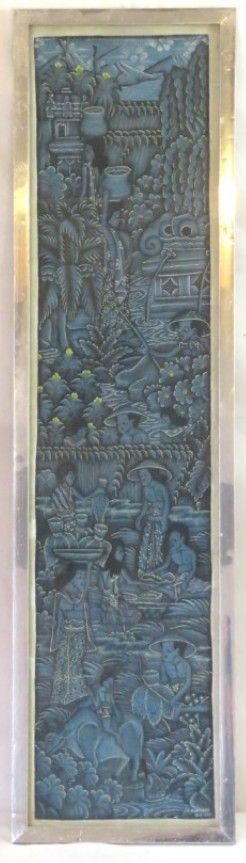
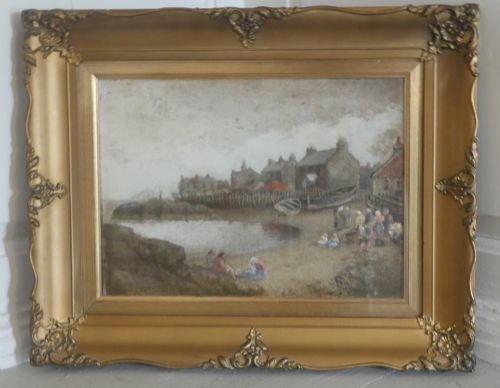
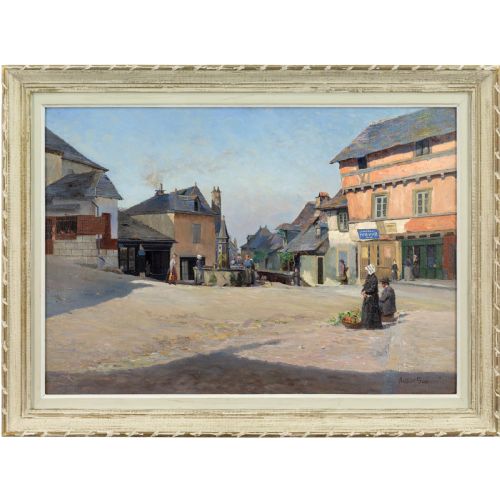
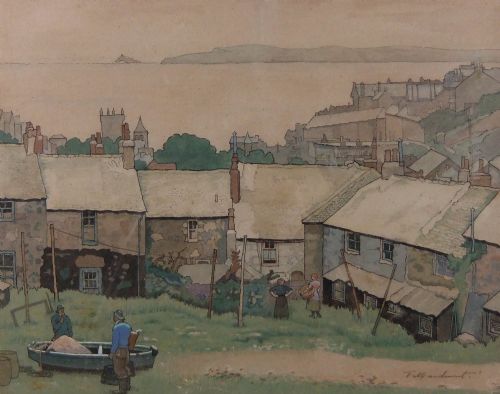
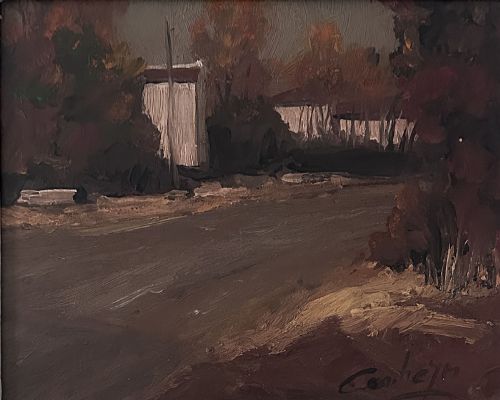
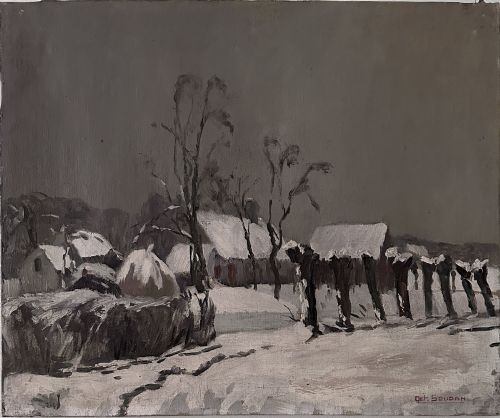
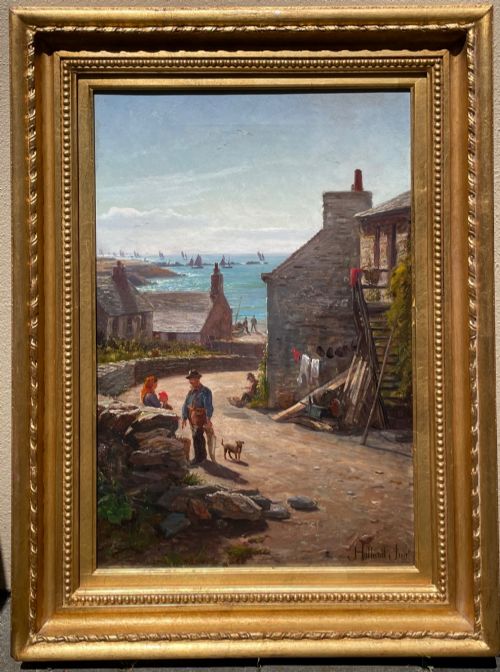
A vintage village painting records rural life, coastal harbours and country lanes through the eyes of artists working from the late nineteenth century to the mid twentieth century. These works capture specific locations such as Yorkshire dales, Cornish fishing ports and foreign settlements, preserving vanished local architectures and daily routines.
The pieces on this page appear in various mediums, predominantly oil on canvas, oil on panel, and delicate watercolours on paper. Artists utilised these materials to document British regional landscapes alongside continental and overseas village scenes.
Collectors encounter works attributed to recognised regional art movements, including the Newlyn school and St Ives artists, alongside anonymous folk art representations of community life.
How They Were Made
Makers applied oil paint and watercolour to supports including stretched canvas, wooden panels, heavy paper and fabric. Artists worked en plein air or developed studio watercolours from preliminary sketches.
Framing often incorporates gesso mouldings and wood surrounds, while select pieces utilise glass to protect fragile watercolours, pastels and gouache applications from atmospheric damage.
The listings span periods from the 19th Century through the 1960s, featuring watercolours, oils, and pastels on paper, wood, and canvas.
What Varies in Quality
The proficiency of brushwork and spatial control separates standard topographical records from accomplished artistic interpretations. Stronger examples demonstrate confident handling of light, shade and atmosphere within rural and coastal settings.
The stability of the physical support affects longevity, with well-preserved canvases, panels and paper maintaining their original pigment vibrancy without excessive fading or structural cracking.
Edward Mills·Arthur Gué·Thomas Maidment·John Holland·William Greaves·Paul-Élie Gernez·Mario Pinetti·Arthur Tucker·Anne Dorrien Smith·Mercedes Legrand·M. C. Hider·Charles Vickers·Louie Stanley Maurice Prince·George Gregory·John Smith Atherton·Joseph W. Milliken·Frank Wood·Percy Brooke·David Woodlock·V. Zirakian·Ruth Prowse·William Lee Hankey·Albert Pile·Maurice Long·C Jones
The Vintage Village Painting Glossary
- Gesso
- A plaster mix used as a base for painting or moulded into decorative frames. It provides a smooth surface for pigments.
- Watercolour
- A paint consisting of water-soluble pigments suspended in a water-based solution. Artists apply it to paper to achieve translucent colour washes.
- Gouache
- An opaque water-based paint containing pigment and a binding agent. It creates denser, more solid colour areas than standard watercolour.
- Pastel
- A dry drawing medium made of powdered pigment and a binder. Artists use these sticks to produce velvety, coloured compositions on paper.
- Plein air
- The practice of painting outdoors directly from the subject. This method allows artists to capture natural light and atmospheric conditions accurately.
Vintage Village Painting: Frequently Asked Questions
What is a vintage village painting?
These artworks depict rural settlements, country lanes, and coastal communities created by artists during the nineteenth and twentieth centuries.
They serve as historical records of architecture, rural trades, and landscapes that have since transformed.
How should I display watercolour village scenes?
Watercolours require framing behind glass with acid-free mounts to protect the paper and pigments from moisture and ultraviolet light.
Keep them away from direct sunlight to prevent fading of the delicate washes.
How do I date an antique village painting?
Dating relies on artist signatures, framing styles, inscriptions on the reverse, and the materials used such as specific canvas types or paper watermarks.
Clothing styles, architecture, and transportation depicted within the rural scene also offer chronological clues.
Where were these village scenes painted?
Artists travelled widely across British rural regions like Yorkshire, Cornwall, and Suffolk, as well as continental and overseas locations.
Many captured local community life while residing near established regional art colonies.