

Wine Ice Bucket
When you handle a wine ice bucket, you touch centuries of social ritual, from heavy mahogany cellarets to sleek silver-plated art deco cylinders.
Wine Ice Bucket
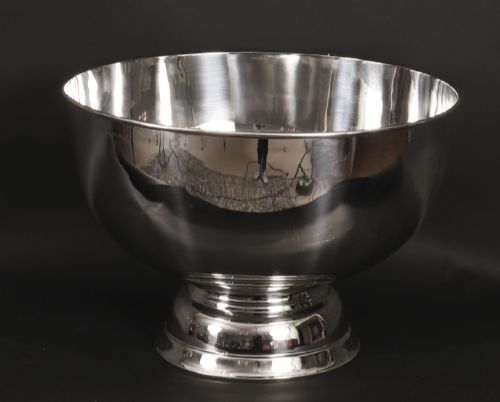
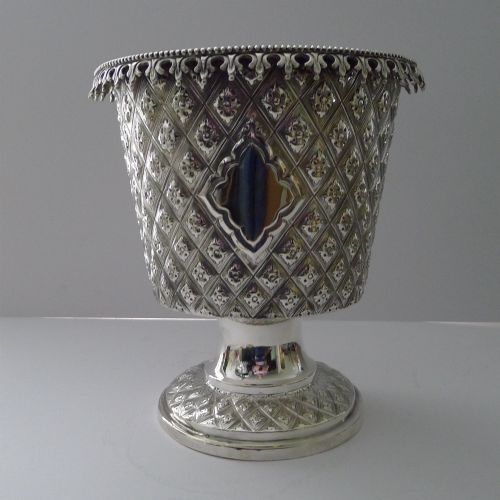
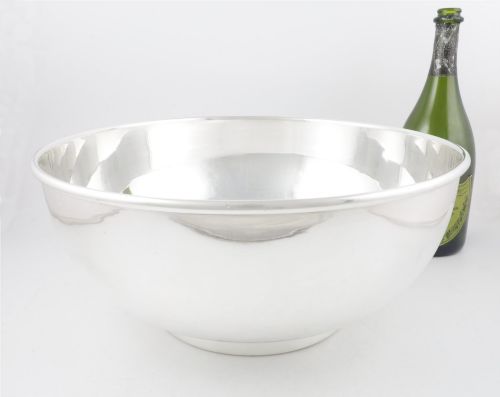
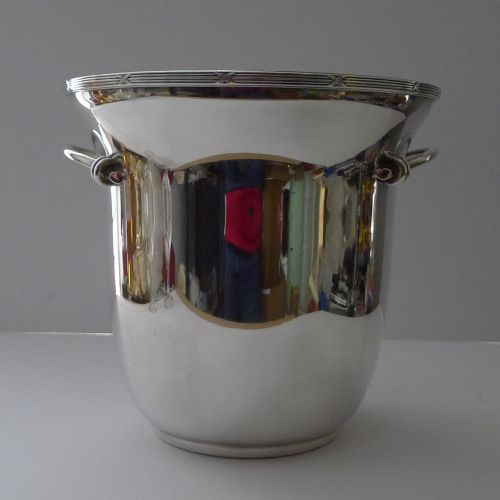
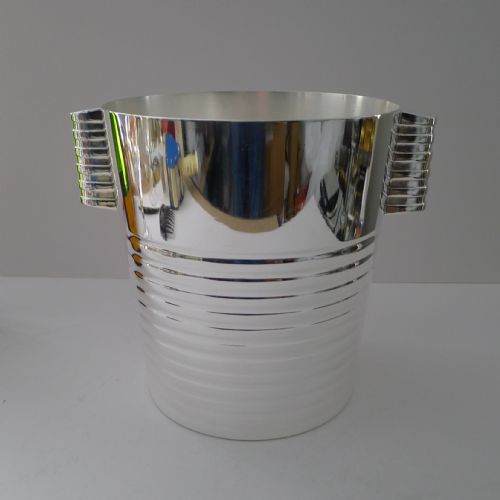
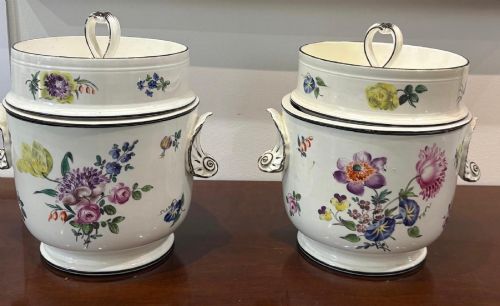
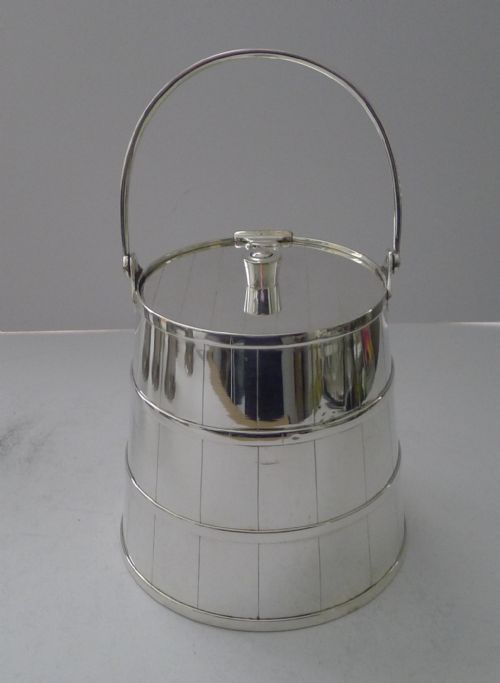
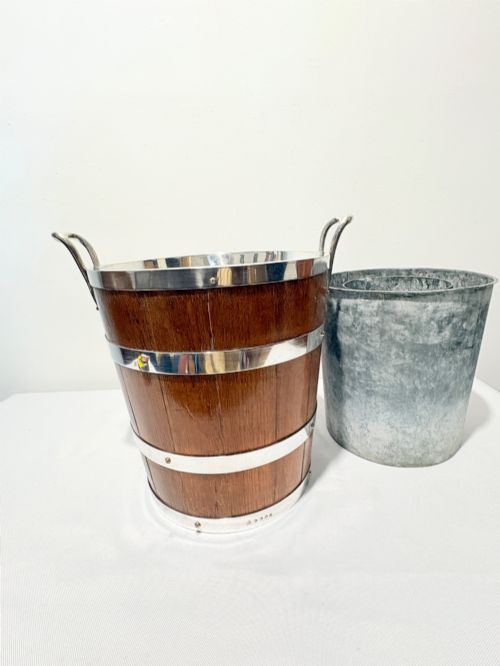
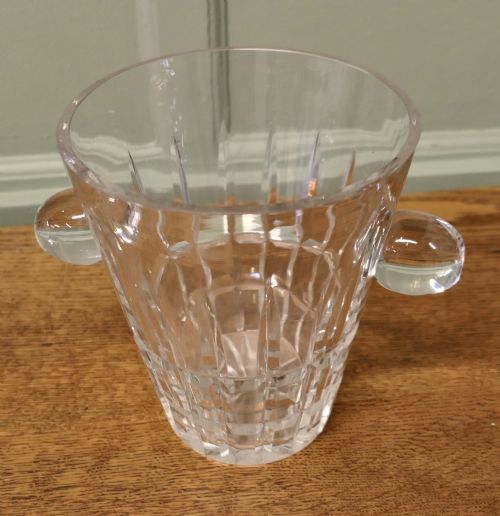
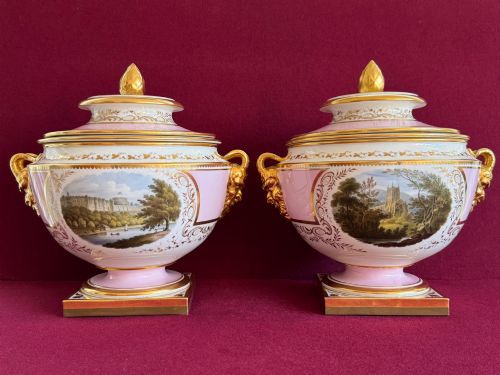
A wine ice bucket encompasses a range of drinking vessels, from Georgian mahogany cellarets and porcelain creamware pails to silver-plated champagne coolers and crystal ice buckets. When searching for a wine ice bucket, buyers encounter objects designed to chill wine or hold ice for formal dining and entertaining.
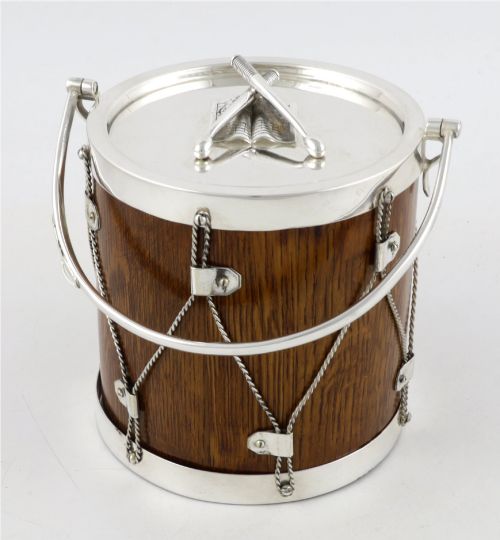
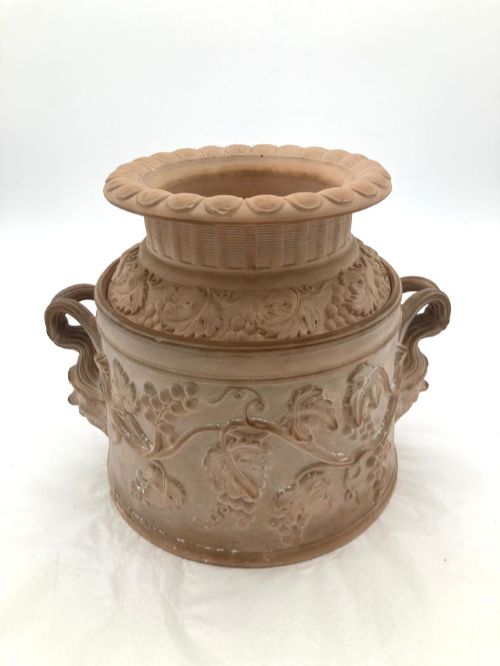
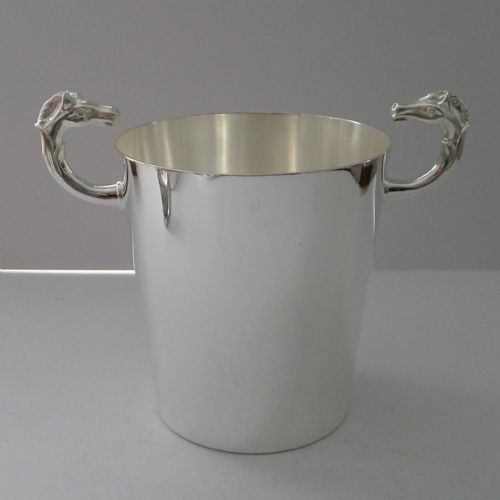
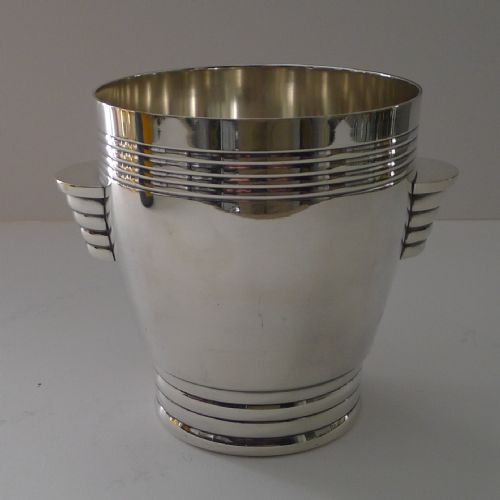
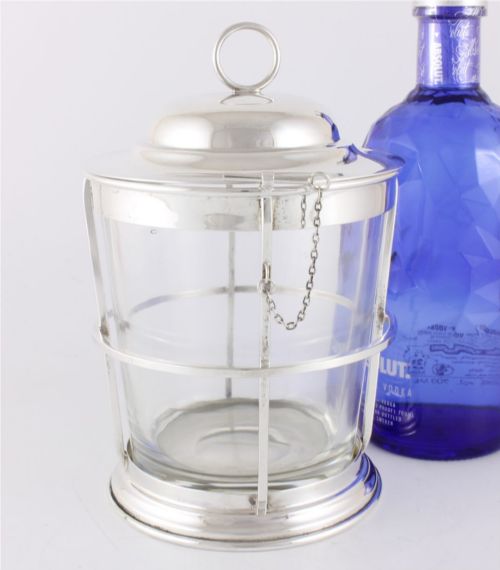
The pieces on this page span the eighteenth, nineteenth, and twentieth centuries, taking forms such as military drum buckets, French bistro coolers, and cut-crystal vessels with gilt bronze mounts. Silver plate and copper dominate the metalwork, alongside oak, brass, and earthenware.
Makers from various periods, including Christofle, WMF, and Elkington, produced these items in styles ranging from Regency and Victorian Rococo Revival to Art Deco and Mid-Century Modern. Buyers are most likely to meet silver-plated and cut-crystal variants dating from the nineteenth and early twentieth centuries.
Materials and construction
Metalwork dominates the construction of these vessels, utilising silver plate, copper, brass, and Old Sheffield plate formed into bodies with applied mounts, handles, and crests. Silversmiths and manufacturers shaped these metals through spinning, casting, and hand-plating over copper or base metals.
Glass and ceramic components rely on hand-cut crystal, creamware, terracotta, and porcelain, often paired with metal rims, liners, or swing handles. Woodworking appears in coopered oak and mahogany wine coolers and ice pails, secured with metal bands.
Techniques such as hand-cutting on crystal, hand-painting on porcelain, and applied silver-plating define the manufacturing methods seen across the periods.
Wine Ice Bucket Retail Price Guide 2026
Typical asking prices for wine ice bucket among the pieces listed under this phrase on Sellingantiques today, from the lower quarter to the upper quarter. They describe what is for sale here now, not the wider market.
Materials represented in the current selection include silver plate, copper, brass, oak, mahogany, cut crystal, creamware, terracotta, and enamel.
Assessing quality
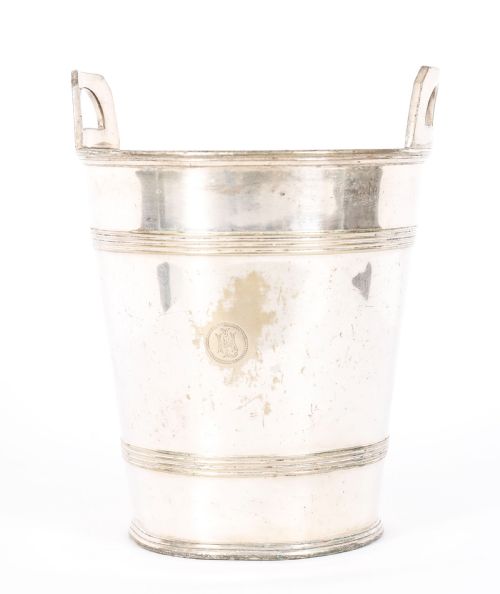
Quality in these pieces rests upon the crispness of casting, the depth of hand-cut facets in crystal, and the integrity of silver-plated surfaces over copper or base metals. Superior examples display balanced proportions, substantial weight, and cleanly executed maker marks or armorial engravings.
The craftsmanship of applied details, such as equestrian motifs, handles, and bronze mounts, distinguishes finer pieces from standard production items. Preservation of original liners, interior gilding, and matching tongs further elevates a piece within its category.
Luc Lanel for Christofle·Flight Barr and Barr·Hutton Sheffield·Hermes Paris·Elkington Mason and Co·Chamberlain Worcester·Mappin and Webb·Barker Ellis·WMF
The Wine Ice Bucket Glossary
- Cellaret
- A lockable container used for storing wine bottles near the dining table, often coopered in mahogany or oak during the Georgian period. These substantial containers preceded smaller tabletop coolers.
- Old Sheffield plate
- A composite material made by fusing a sheet of silver to a thicker copper core, used before modern electroplating was invented in the nineteenth century. Pieces show a thin line of copper where the edge meets.
- Creamware
- A fine earthenware developed in Yorkshire during the eighteenth century, possessing a pale yellow or cream-coloured glaze. Creamware ice pails often featured intricate moulded decoration and pierced rims.
- Silver plate
- A layer of silver applied to a base metal such as copper, nickel silver, or Britannia metal. This technique allowed manufacturers to produce decorative vessels at a lower cost than solid silver.
- Champagne cooler
- A deep vessel specifically sized to hold a champagne bottle upright surrounded by ice. These often feature twin handles and generous proportions to accommodate ice capacity.
Wine Ice Bucket: Frequently Asked Questions
How do I clean a silver plated wine ice bucket?
Clean silver plate using a soft cloth and a gentle, non-abrasive silver polish formulated for plated items. Avoid harsh scrubbing or abrasive dips that can strip the thin silver layer.
Rinse the vessel thoroughly with warm water and dry it immediately with a soft cloth to prevent water spots and tarnishing.
Can I use an antique ice bucket for daily dining?
Many antique silver-plated and metal vessels remain robust enough for regular use at the dining table. Ensure that any interior glass or ceramic liners are handled carefully to prevent thermal shock from ice.
Hand wash the pieces promptly after use rather than placing them in a dishwasher, which can damage historic finishes and metals.
What is the difference between an ice pail and a wine cooler?
Ice pails are generally deeper, narrower vessels designed to hold ice cubes or blocks, often accompanied by tongs and swing handles. Wine coolers and champagne coolers are wider or deeper to accommodate a bottle alongside ice and water.
Many nineteenth-century examples served dual purposes, functioning interchangeably for ice storage or bottle chilling depending on the occasion.
How do I date a silver plated wine ice bucket?
Dating relies on maker marks, patent stamps, and stylistic cues such as Regency neoclassical lines or Art Deco geometric forms. Base metal stamps and registration numbers can help narrow down the decade of production.
Examining the manufacturing technique, such as Old Sheffield plate versus nineteenth-century electroplate, provides a reliable chronological baseline.