


William Mary Oyster Cabinet
A william mary oyster cabinet offers intricate cross-cut patterned timber surfaces atop sturdy stands, bringing rich baroque texture into your interior.
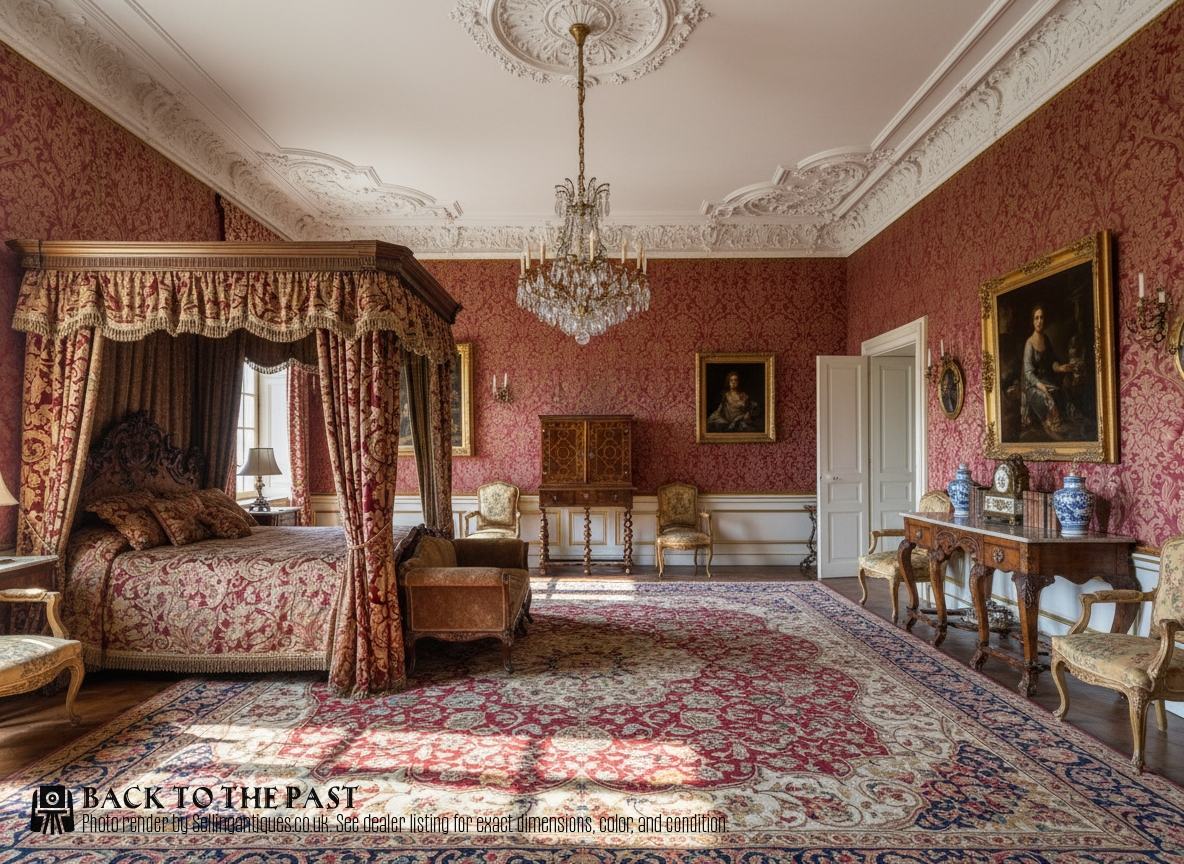
William Mary Oyster Cabinet
When you search for a william mary oyster cabinet, you are looking at sophisticated storage furniture defined by decorative circular wood veneers. These pieces typically take the form of cabinets on stands, chests of drawers, and escritoires dating primarily from the seventeenth century, alongside later revival examples.
The version you are most likely to meet on this page is a cabinet on stand or chest raised on legs, reflecting the dominant forms of the William and Mary period. These items combine substantial carcases with raised stands, offering both display surfaces and enclosed compartment storage.
The inventory on this page spans seventeenth-century originals to early twentieth-century revivals, encompassing Baroque stylistic influences. Alongside cabinets, you will encounter chests of drawers, desks, and writing cabinets constructed from varied timber veneers.
How they were made
Cabinetmakers constructed these pieces by cutting small branches diagonally to create circular or oval oyster veneers, which were then arranged in geometric patterns across the surfaces. Walnut, olive wood, laburnum, and kingwood served as the primary timbers for these decorative veneers.
Carcases utilised sturdy foundational woods such as oak, providing stable support for the intricate veneering work. Craftspeople integrated brass hardware, including hinges and drawer pulls, alongside boxwood stringing and marquetry details to complete the construction.
Branch slices resemble oysters, lending a seafood name to seventeenth-century forestry.
What varies in quality
The precision and complexity of the timber patterning dictate the visual success of each piece. Finer examples display meticulous alignment of the cut wooden rings across large drawer fronts and cabinet doors, creating harmonious geometric rhythms.
The choice of contrasting woods and supplementary decoration elevates certain pieces above others. The integration of delicate boxwood stringing, marquetry panels, and high-grade brass mounts distinguishes exceptional furniture from simpler domestic storage.
The William Mary Oyster Cabinet Glossary
- Oyster veneer
- A method of cutting branches obliquely to produce small, circular or oval cross-sections that reveal the tree growth rings. This decorative technique creates distinctive patterned surfaces across drawer fronts and cabinet doors.
- Cabinet on stand
- A freestanding storage compartment elevated on a separate supporting base with legs. This form raises the main body off the floor to display decorative timbers at eye level.
- Escritoire
- A writing cabinet featuring a fall-front or sloping lid that opens to reveal internal compartments and drawers. These pieces combine enclosed storage with a dedicated surface for correspondence.
- Marquetry
- The art of applying pieces of veneer to a structure to form decorative patterns and pictures. Craftsmen use varied timber species to build complex pictorial designs.
- Baroque
- An artistic style prevalent during the seventeenth century characterised by dramatic ornamentation and rich textures. Furniture from this period emphasises bold shapes and elaborate surface decoration.
William Mary Oyster Cabinet: Frequently Asked Questions
What is an oyster veneer?
An oyster veneer is formed by slicing small branches diagonally to produce circular or oval wooden discs. These pieces are then arranged closely together to create intricate, repeating patterns across furniture surfaces.
Cabinetmakers during the seventeenth century favoured this technique for its ability to transform modest timber into rich, decorative displays.
How do I date these pieces?
Dating relies on examining the construction methods, underlying timber species, and overall form of the cabinet or chest. Seventeenth-century originals feature specific joinery techniques and native woods that differ from early twentieth-century revival pieces.
Comparing the hardware, such as brass pulls and hinges, alongside the style of the stand helps determine the period of manufacture.
Where were these cabinets used?
These cabinets served as principal storage and display items in wealthy seventeenth-century homes. They were typically placed in reception rooms or parlours to store valuable documents, textiles, or small collections.
Today, they function as focal points in period or contemporary interiors, offering practical enclosed storage alongside decorative presence.
Are revival pieces well made?
Revival pieces from the early twentieth century often employ traditional woodworking skills and similar timber veneers to emulate seventeenth-century designs. Craftsmen during this later period replicated historical forms with considerable care and technical skill.
Evaluating individual construction quality and timber selection helps distinguish these revival items from earlier originals.