


William IV Silver Plate
William iv silver plate delivers the substantial weight and restrained classical ornamentation typical of 19th century dining tables.
William IV Silver Plate
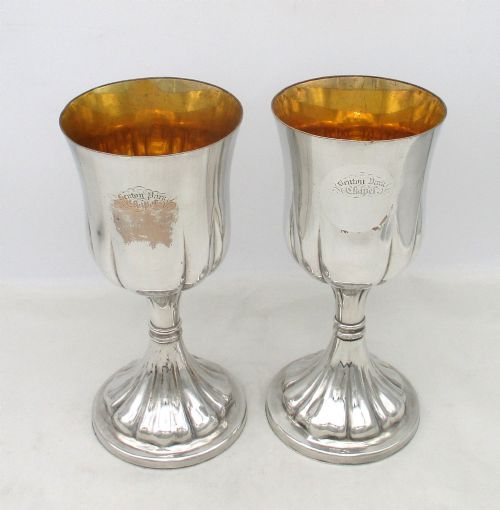
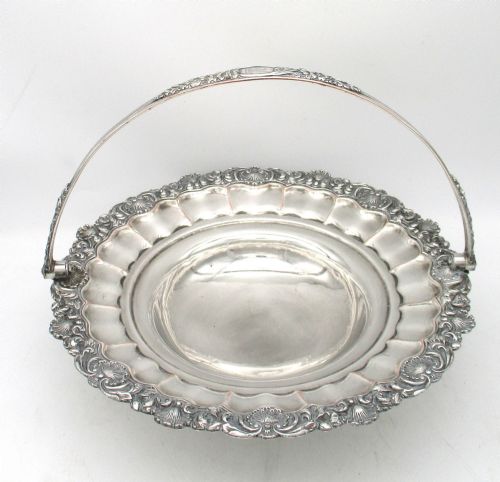
William iv silver plate encompasses heavy dining accessories and serving pieces created primarily around 1830 during the 19th century. Buyers searching this phrase look for functional vessels that combine Georgian elegance with the bolder proportions of the Regency and William IV periods.
The objects seen here lean towards domestic hospitality, including wine coolers, wine coasters, sauce boats, candlesticks, and meat domes. These items reflect the formal dining practices of the period, executed in silver plate, Old Sheffield plate, and occasionally complemented by wood or mahogany elements.
Materials and Manufacturing
Old Sheffield plate forms the basis of many pieces, involving a thin sheet of silver fused to a copper core. This technique produces durable items that age gracefully as the underlying copper occasionally telegraphs through the worn highlights.
Gilt highlights and wooden bases, particularly in mahogany, appear alongside copper and silver plate in various serving items and coasters. Silversmiths utilised these mixed materials to enhance both the visual contrast and the physical stability of heavier items like wine coolers and candlesticks.
Several heavy game covers and meat domes in these records suggest nineteenth-century diners took their roasted poultry very seriously indeed.
Assessing Quality and Execution
Quality in william iv silver plate rests upon the crispness of the chased or applied ornamentation and the preservation of the fused silver layer over copper. Pieces that retain their original engraved crests and structural integrity demonstrate superior initial manufacture and careful ownership.
The graduation from standard domestic serveware to the finest exhibition pieces involves substantial weight, balanced proportions, and detailed casting. Heavier gauge metalwork and robust construction distinguish pieces intended for grander nineteenth-century dining rooms from everyday items.
Henry Wilkinson·Paul Storr·William Hutton And Sons
The William IV Silver Plate Glossary
- Old Sheffield Plate
- A composite material made by fusing a sheet of silver to a copper ingot before rolling them into sheets. This method predates electroplating and creates a distinct edge where the base metal is visible.
- Wine Cooler
- A large vessel designed to chill bottles at the table, often featuring robust handles and insulated liners. These pieces represent some of the most impressive domestic metalwork of the period.
- Sauce Boat
- An open container with a spout and handle used for serving gravies or sauces. They frequently rest on fitted bases and match larger meat domes or trays.
- Meat Dome
- A large domed cover used to keep joints of meat warm on the serving table. They often bear engraved family crests and heavy cast handles.
- Chalice
- A stemmed sacramental cup, though secular variants occasionally appear in domestic collections. These vessels highlight the versatility of silver plating techniques.
William IV Silver Plate: Frequently Asked Questions
What is Old Sheffield plate?
Old Sheffield plate is an early form of plating created by thermally fusing silver to a copper base before shaping the metal.
This technique differs fundamentally from later electroplating, resulting in a deep, durable layer of silver that wears down organically over generations.
How do I clean silver plate?
Silver plate requires gentle cleaning with non-abrasive silver polishes designed specifically for plated items.
Avoid aggressive scrubbing, particularly on older pieces where the thin silver layer above the copper core might be vulnerable to excessive friction.
Are these pieces solid silver?
The items listed under this phrase consist primarily of silver plate or Old Sheffield plate over a copper base.
While solid silver versions exist from the same period, plated items offered households the appearance and prestige of solid metal at a lower cost.
How should I display wine coasters?
Wine coasters function well on dining tables or sideboards, occasionally resting on mahogany surfaces to protect the wood.
Their sturdy construction allows them to hold bottles securely during formal dinners much as they did in the nineteenth century.