

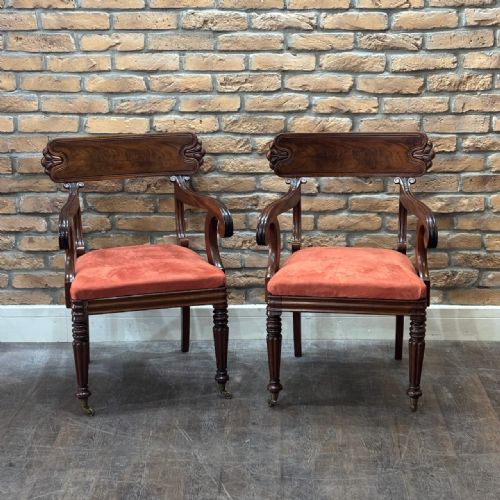
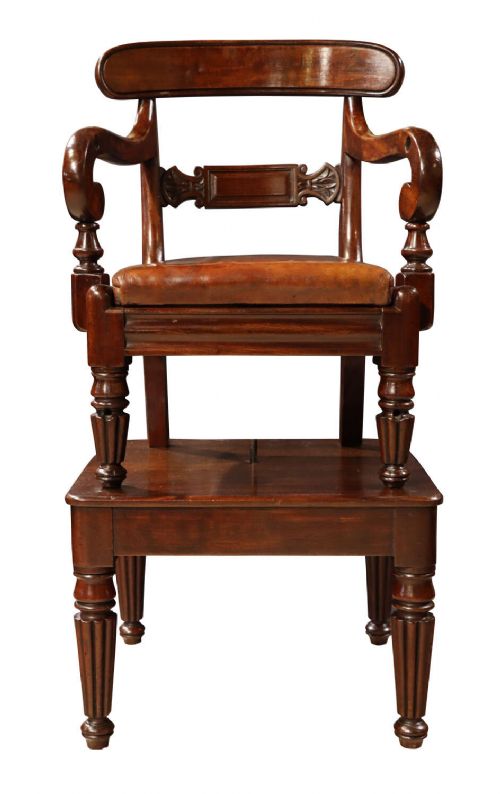

William IV Mahogany Armchair
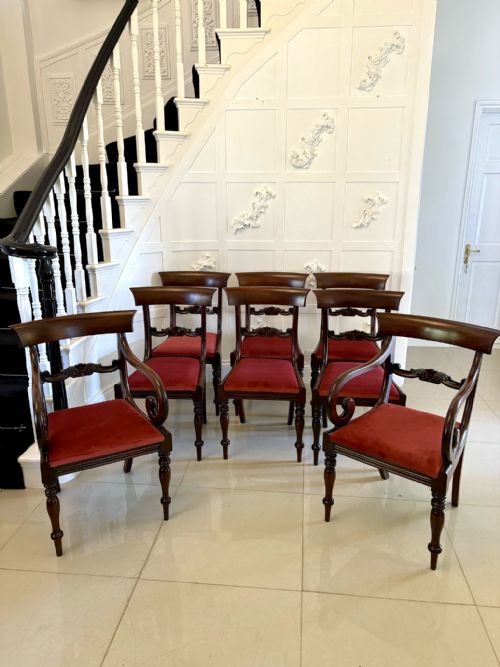
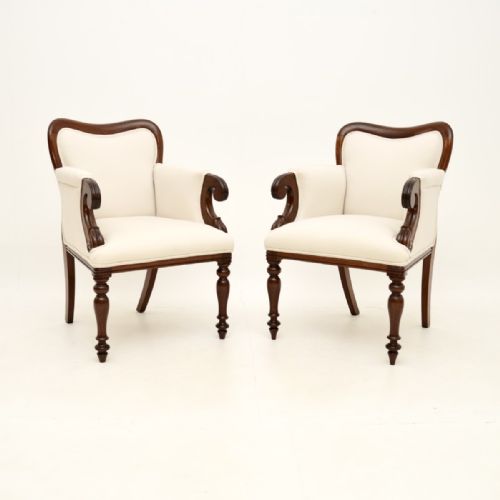
A william iv mahogany armchair combines heavy timber with generous scrolling, offering a sturdy seat built for the libraries and parlours of the nineteenth century.
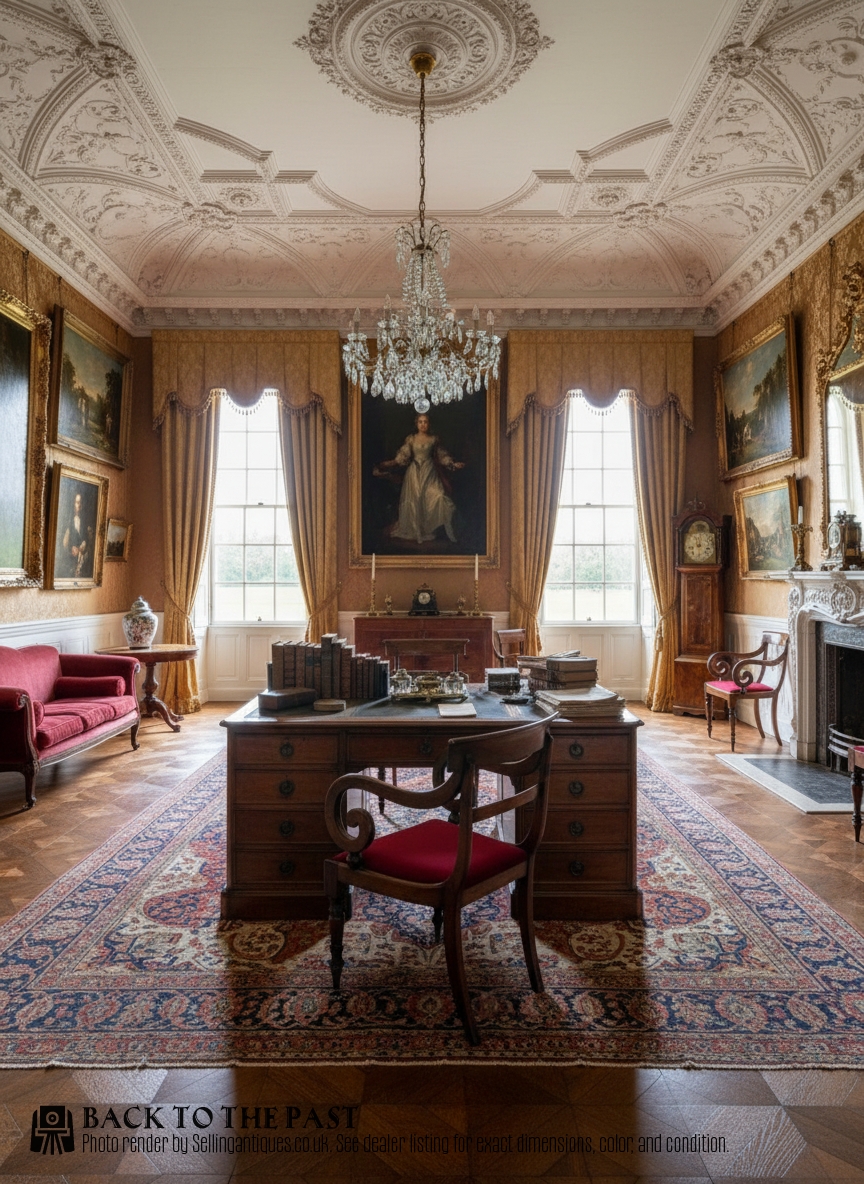
William IV Mahogany Armchair
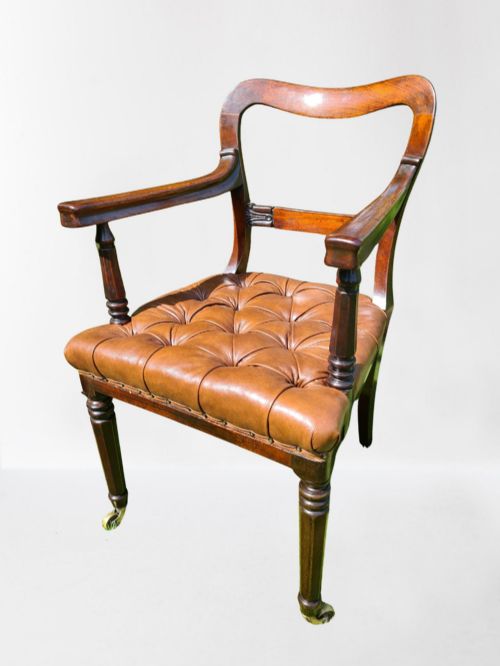
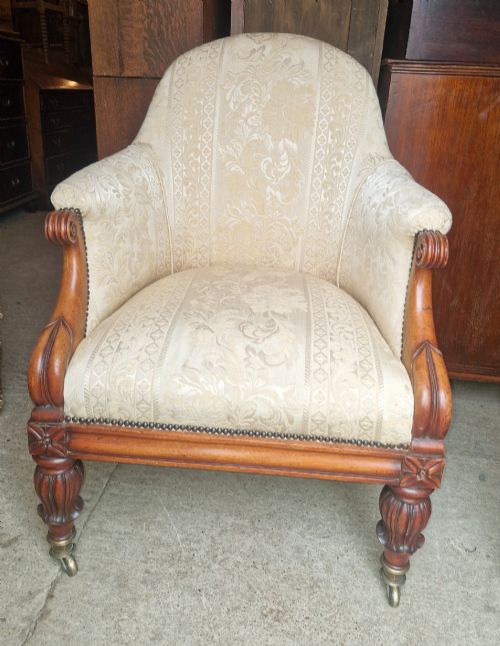
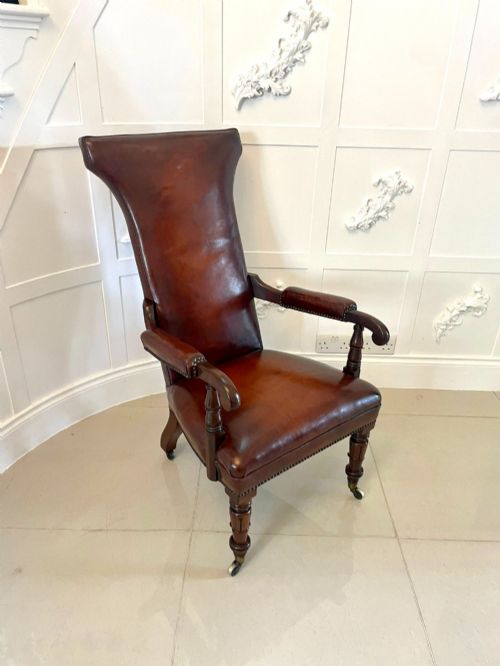
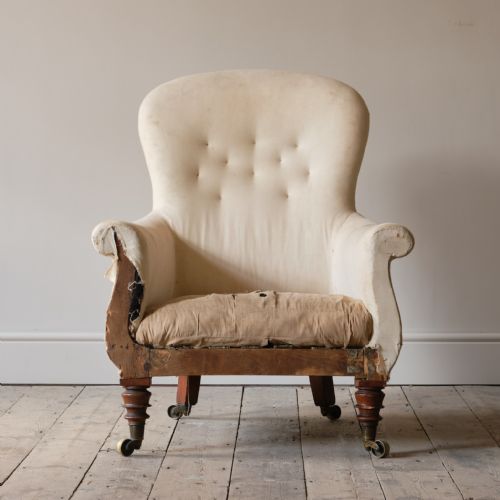
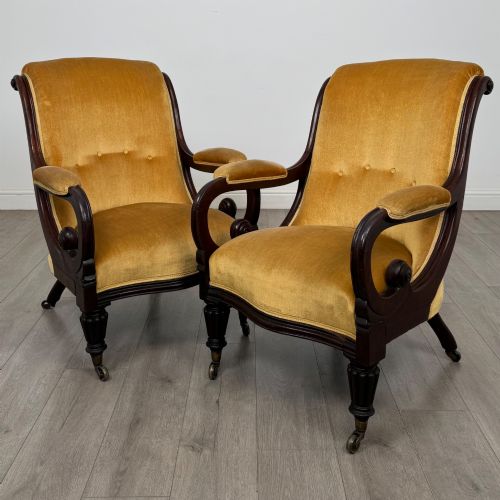
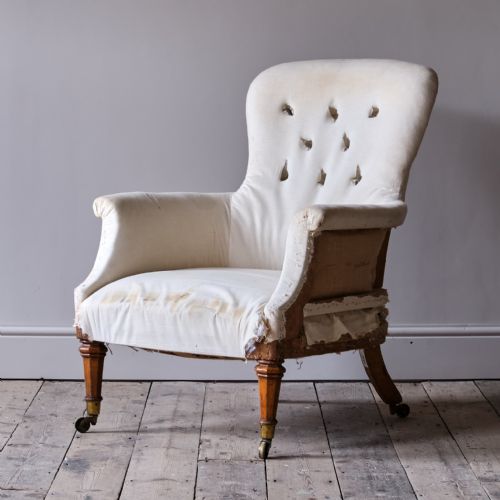
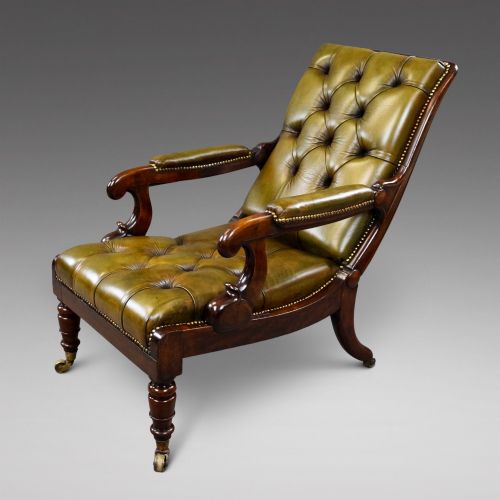
When you search for a william iv mahogany armchair, you encounter seating designed during the 1830s alongside overlapping late regency and early victorian interpretations. The form ranges from heavy library and desk chairs fitted with leather to open armchairs, carvers, and reclining reading seats.
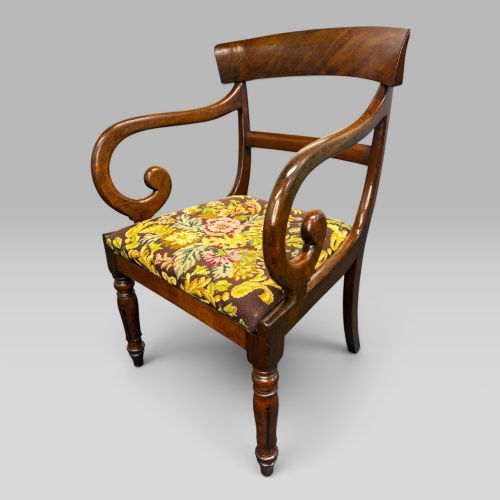
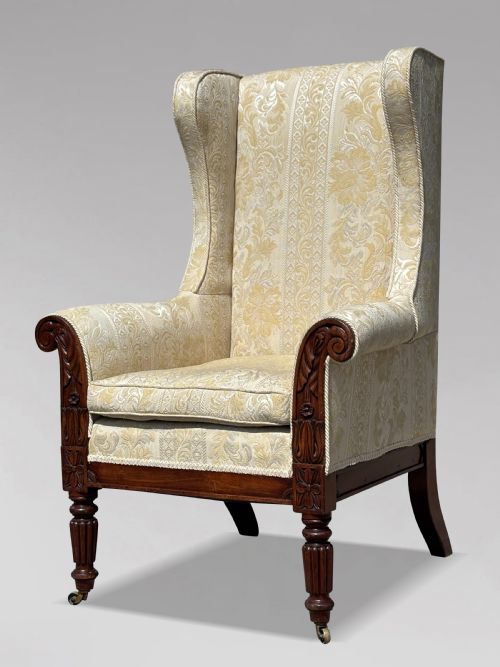
The material profile relies heavily on mahogany, often paired with brass castors, cane, and buttoned leather or floral fabric upholstery. Country house versions sit alongside refined city library chairs, displaying the transition between classical restraint and heavier nineteenth-century proportion.
Timber and Construction
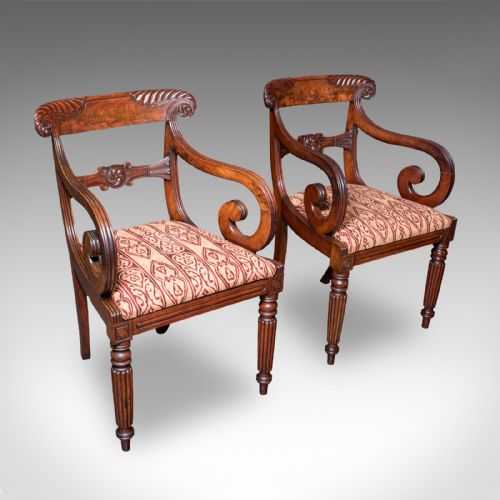
Makers utilised solid mahogany for the show wood frames, turning and carving the heavy scrolled arms, rounded front legs, and back rails. Structural strength depended on precise joinery to support the substantial weight of the timber and the stresses placed on library and desk seating.
Upholstered variants incorporated horsehair stuffing beneath layers of calico, leather, velvet, or needlework, secured with iron or brass studs. Caned panels utilised split rattan woven tightly through drilled frames to create resilient seats and backs.
Children's metamorphic high chairs from this era allowed toddlers to dine at adult height before converting into low play seats.
Distinction in Craft
The standard of a william iv mahogany armchair rests upon the depth of the timber carving and the fluidity of the scrollwork on the arms. Superior examples display crisp turnings, well-figured wood grain, and integrated framing that conceals structural joints.
Proportion and comfort differentiate finer library and desk chairs from standard dining carvers. Original leather, intact bergere caning, and secondary woods chosen for internal framing elevate the standing of an individual piece.
Gillows·Minter
The William IV Mahogany Armchair Glossary
- Mahogany
- A dense tropical timber valued for its rich dark reddish-brown hue and stability in heavy furniture construction. It forms the primary structural and visual medium for these seats.
- Bergère
- An enclosed upholstered armchair featuring cane panels on the back and sides. This technique lightened the heavy appearance of nineteenth-century timber frames.
- Carver
- An armchair designed with open elbows, traditionally placed at the head of a dining table or utilised as a desk seat. These pieces match the simpler dining chairs of the set.
- Scroll-arm
- An armchair design featuring arms carved into a tight, inward-curling spiral shape. This profile characterises the heavier seating styles of the period.
- Reclining armchair
- A mechanical seat equipped with adjustable back mechanisms for reading or resting. Nineteenth-century versions often utilised patented hardware by makers such as Minter.
William IV Mahogany Armchair: Frequently Asked Questions
How do I identify a william iv armchair?
Look for heavy mahogany frames, turned bulbous front legs, and pronounced scroll arms that mark the transition from regency restraint to victorian scale. The joinery and timber density provide further clues to the manufacturing decade.
Compare the proportions and carving detail against standard nineteenth-century seating to confirm the period. Library and desk chairs from this era often feature original leather panels and brass castors.
Were these chairs used at desks?
Many examples function as desk or library chairs, featuring sturdy frames and low armrests designed to clear table drawers. Leather upholstery provided a durable surface for writing rooms.
Authors and scholars utilised these reclining or stationary seats for extended periods of reading. The sturdy mahogany construction supported daily academic use.
Can I use one in a modern room?
The rich mahogany tones and substantial scale of these armchairs anchor contemporary study spaces or living rooms as statement seating. Their neutral timber pairs easily with modern textiles and minimalist interiors.
Placing an armchair in a hallway or bedroom introduces nineteenth-century texture without cluttering the floor plan. Ensure the seat height aligns with your intended daily use.
What is cane work on these chairs?
Bergere caning involves weaving split rattan cane through holes drilled directly into the mahogany frame. This technique creates a flexible, breathable panel for the backrest or seat.
Caned panels lighten the visual weight of dense mahogany frames. Well-preserved weaving retains its tension across the curved structural rails.