




William IV Hall Chairs
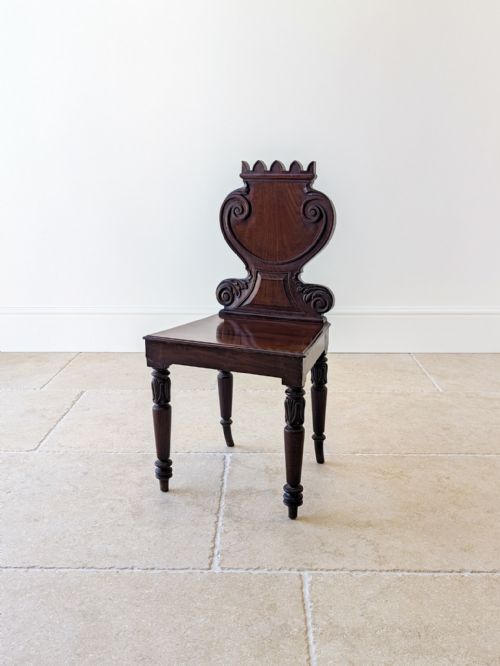
William IV hall chairs are sturdy wooden reception seats built for grand entryways, offering bold architectural forms that anchor an interior.
The Form and Character of William IV Hall Chairs
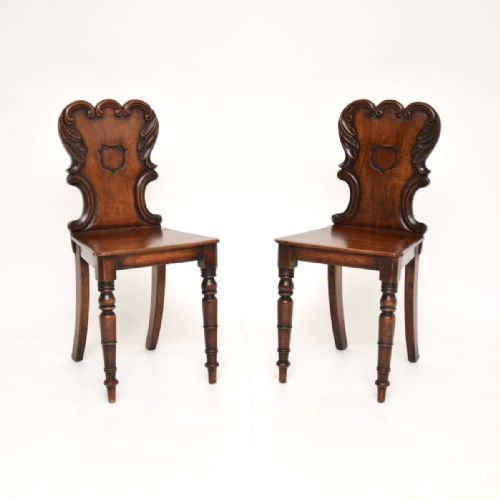
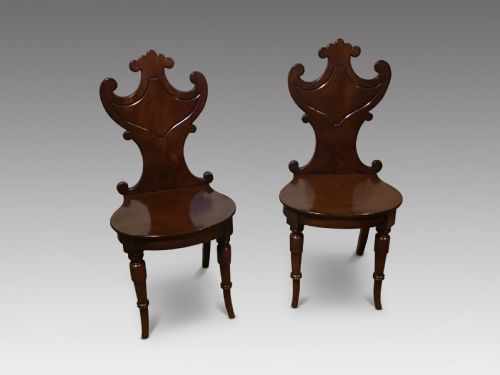
William IV hall chairs are solid wooden seats designed primarily for grand entryways, vestibules and reception rooms. The pieces appearing here span the Regency, William IV and Victorian periods, often taking the form of matched pairs or small sets.
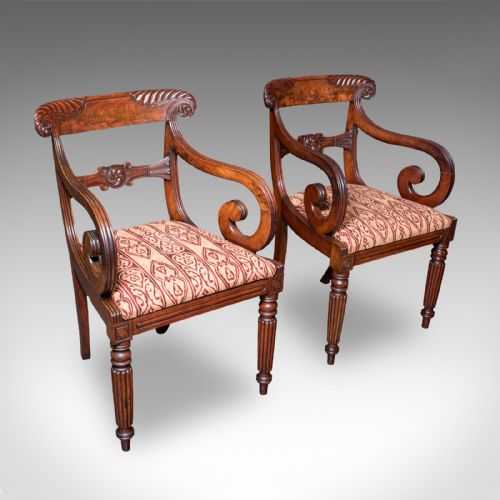
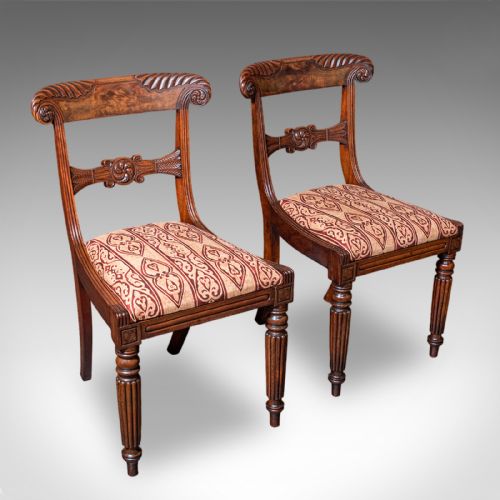
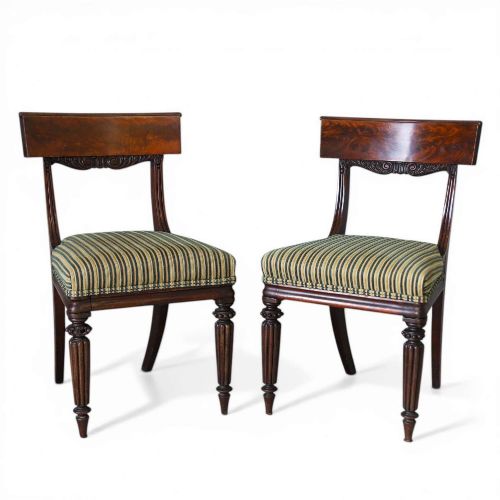
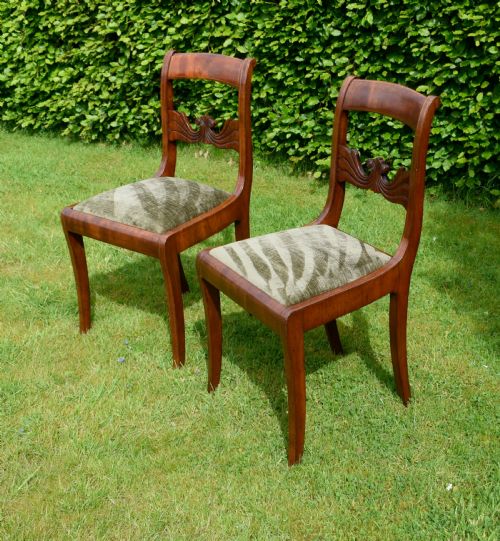
These chairs typically feature distinct wooden panels, carved crests and sturdy legs suitable for formal reception spaces. Alongside standard hall chairs, the records show occasional side chairs, dining elbow carvers and Gothic variants.
Materials and Construction
The pieces recorded utilise dense timbers, predominantly mahogany and oak, with occasional examples in elm and fabric upholstery. Craftsmen shaped these sturdy materials into solid seats and carved backs designed to withstand use in busy corridors.
Joinery methods of the period rely on traditional framing and sturdy wooden components to ensure long-term stability. Carved crests and panel details are worked directly into the timber of the backrest.
Retail Price Guide 2026
Typical UK retail prices for william iv hall chairs, calculated from the Sellingantiques database of over a million retail prices indexed since 2003. This retail price guide relies exclusively on Sellingantiques data; no external sources or auction records are used, so the figures do not describe the wider market.
Expect a remarkably firm sit, reminding you that nineteenth-century visitors were meant to wait upright.
Judging Quality and Distinction
Quality in these chairs rests upon the depth of the timber carving, the crispness of the crest details and the overall balance of the proportions. Examples range from simple utilitarian seating to finely carved exhibition pieces with elaborate crests and Gothic flourishes.
The choice of timber grain and the presence of sophisticated stylistic details, such as those attributed to Gillows or executed in the manner of Sir Charles Barry, separate standard workshop output from exceptional commissions.
Gillows·Sir Charles Barry
The William IV Hall Chairs Glossary
- Hall Chair
- A wooden reception seat designed for an entryway rather than prolonged lounging. These pieces typically feature a solid wooden seat and a carved back.
- Crested Hall Chair
- A hall chair featuring a carved crest, shield or family emblem upon the upper backrest. This detail often denotes a bespoke commission.
- Gothic Hall Chair
- A variant incorporating pointed arches, trefoils and architectural motifs drawn from medieval design. These chairs reflect the revival styles popular during the period.
- Carver Chair
- An armchair intended for a dining table or reception room, featuring supportive elbow rests. These provide a larger visual presence than standard side chairs.
Frequently Asked Questions
What is a william iv hall chair?
A William IV hall chair is a sturdy wooden seat designed for entryways and reception rooms during the early nineteenth century. These pieces usually feature solid wooden seats and carved decorative backs.
They appear frequently in pairs or small sets, reflecting the formal interior arrangements of the period.
Where were these chairs placed?
These seats were historically positioned in grand entryways, hallways and morning rooms to accommodate visitors waiting briefly. Their sturdy construction suited spaces with heavy foot traffic.
They served both a practical purpose and a decorative role in welcoming guests.
How do I style a hall chair at home?
A hall chair works effectively as an accent piece in an entryway, bedroom or hallway against a plain wall. Its architectural backrest provides visual interest without occupying excessive floor space.
They are best utilised as standalone decorative elements rather than for long periods of sitting.
How do oak and mahogany chairs differ?
Mahogany chairs tend to display dark, rich grain patterns and smooth carved surfaces suited to formal Regency interiors. Oak versions often exhibit pronounced grain and lend themselves well to Gothic revival designs.
Both timbers provide the durability required for traditional reception seating.