

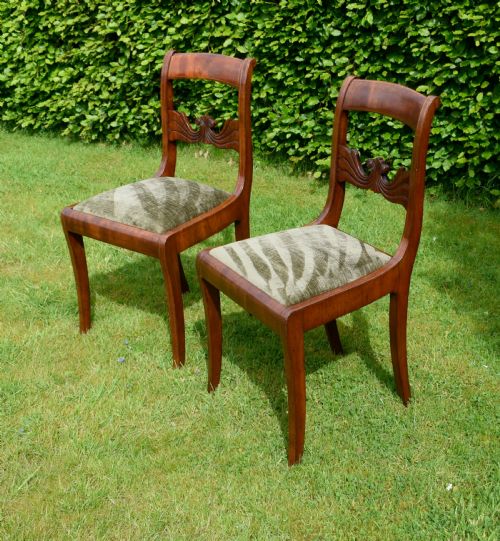


William IV Bedroom Chair
A william iv bedroom chair offers low-slung comfort and rich timbers, bringing period character directly to a dressing room or parlour.
William IV Bedroom Chair
When you search for a william iv bedroom chair, you are looking at low-slung seating designed for the intimate spaces of the nineteenth century. The examples found here span slipper chairs, nursing chairs, and occasional chairs created during the Regency and Victorian eras. These pieces often feature low seats and compact proportions suited to dressing rooms and bedrooms.
The version you are most likely to meet on this page is constructed from mahogany or simulated rosewood, frequently displaying the robust scrollwork characteristic of the period. Makers of the time adapted dining and parlour forms into lower, more accessible seating for private chambers. Such chairs combine sturdy wooden frames with upholstered seats or button-backed padding.
The evidence shows forms ranging from plain side chairs to elaborate button back scroll side chairs on castors. Maple and cane also appear among the listings, alongside items attributed to the manner of Gillows. Each piece reflects the transitional tastes between late Georgian severity and Victorian exuberance.
How they were made
Cabinetmakers constructed these frames using dense hardwoods like mahogany and maple, occasionally employing simulated rosewood finishes to achieve an exotic grain. Joinery relied on traditional pinned mortise and tenon techniques to ensure durability under daily use in domestic quarters. Brass castors were frequently fitted to the feet of heavier scroll-backed chairs to ease movement across heavy carpets.
Upholstery techniques defined the comfort of these bedroom seats, utilising sprung foundations and stuffed padding covered in textiles, damask fabric, or tapestry. Cane work appears on lighter frames, woven tightly through drilled seat rails to provide a resilient and breathable surface. Inlaid details and turned woodwork added subtle ornamentation without compromising the structural integrity of the frame.
William IV Bedroom Chair Retail Price Guide 2026
Typical asking prices for william iv bedroom chair among the pieces listed under this phrase on Sellingantiques today, from the lower quarter to the upper quarter. They describe what is for sale here now, not the wider market.
These chairs rolled easily on brass castors so gentlemen could glide across the carpet without spilling their morning port.
What varies in quality
The distinction between ordinary and superior pieces rests on the crispness of the timber carving and the architectural balance of the frame. Finer examples display carefully turned legs, smooth scroll arms, and integrated brass castors that show thoughtful design rather than hurried production. The selection of dense mahogany or figured maple indicates a workshop that prioritized longevity and visual depth.
Upholstery execution and the retention of original framing components further separate standard utility pieces from exceptional works. Chairs that retain their period textile or C19th button-backed structure offer greater historical integrity than those rebuilt with modern materials. Proportion and the harmony between the wooden chassis and the upholstered elements determine the overall refinement of the chair.
Gillows
The William IV Bedroom Chair Glossary
- Slipper chair
- A low-seated chair traditionally used in a bedroom or dressing room for changing footwear. These pieces lack arms and sit close to the floor.
- Nursing chair
- A low-backed or button-backed seat designed to provide comfort while holding infants or tending to personal grooming. They often feature generous padding and compact dimensions.
- Simulated rosewood
- A painted or stained finish applied to a more common timber to imitate the dark, richly grained appearance of true rosewood. Cabinetmakers utilised this technique during the Regency period to offer decorative elegance at a lower cost.
- Castor
- A small wheel fitted to the base of furniture legs to allow smooth rolling across floors. Brass mounts were common on nineteenth-century seating to protect carpets and ease repositioning.
- Scroll arm
- A curved, volute-shaped wooden armrest that rolls outward or inward. This feature characterises much of the furniture produced during the Regency and William IV eras.
William IV Bedroom Chair: Frequently Asked Questions
How do I identify a william iv period chair?
Identifying a piece from this era involves looking for specific design elements such as scroll-backed frames, turned wooden legs, and dense mahogany or simulated rosewood timbers. The transition from late Regency to early Victorian styles often appears in the robust proportions and restrained carving.
Details like brass castors and traditional joinery point toward nineteenth-century workshop methods. Comparing the frame style against documented Gillows-manner pieces can also help determine the regional origin and date.
Where were these chairs used?
These seats were originally placed in bedrooms, dressing rooms, and private sitting apartments rather than formal reception areas. Their low height made them suitable for tasks such as putting on shoes or nursing children.
Over time, collectors have moved them into studies, hallways, and living rooms where their compact size and rich timber tones complement various interior settings.
Are these chairs comfortable?
The comfort of a period chair depends heavily on the condition and historical accuracy of its upholstery. Many feature sprung or stuffed seats designed for relaxed lounging in private quarters.
Slipper and nursing chairs were built with low centres of gravity to ensure stability and comfort during extended periods of sitting.