



William and Mary Oak Furniture
William and mary oak furniture combines sturdy native timber with sophisticated period veneering.
William and Mary Oak Furniture
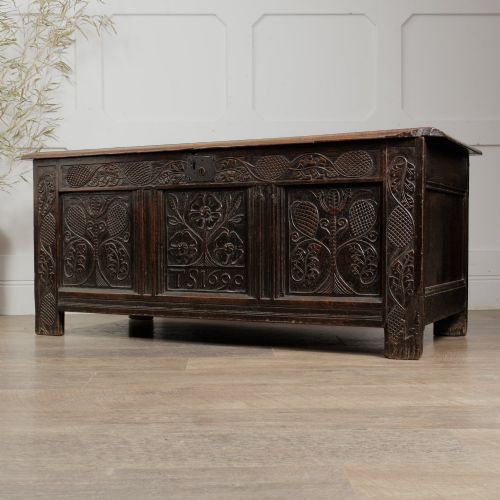
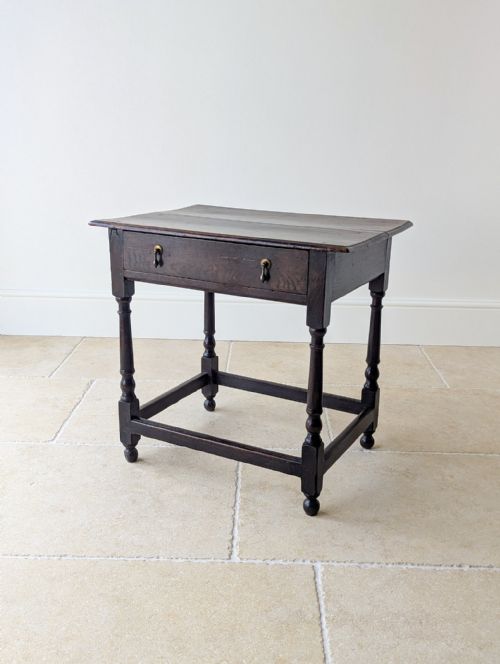
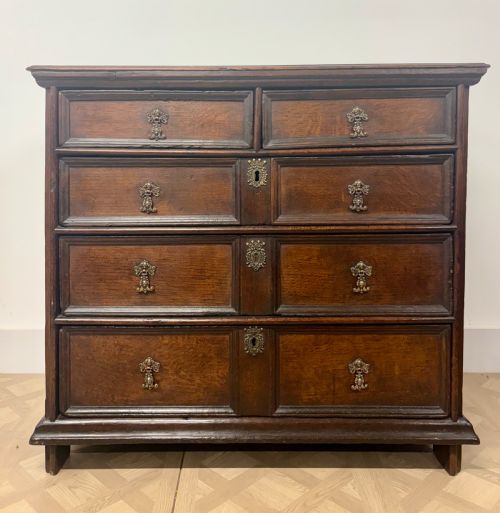
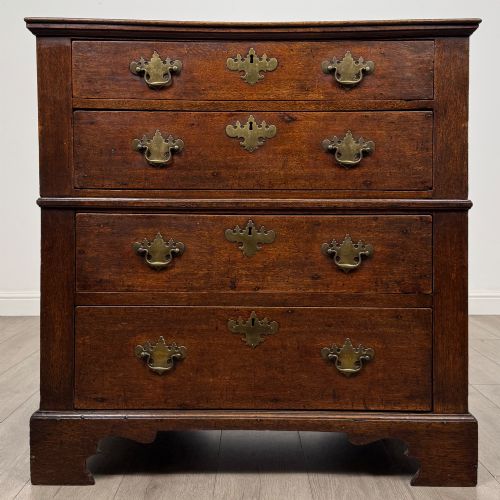
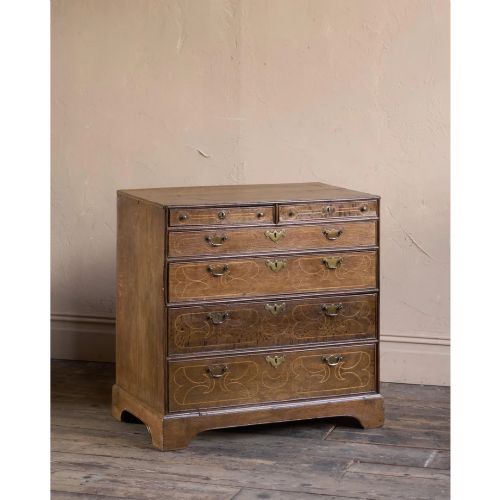
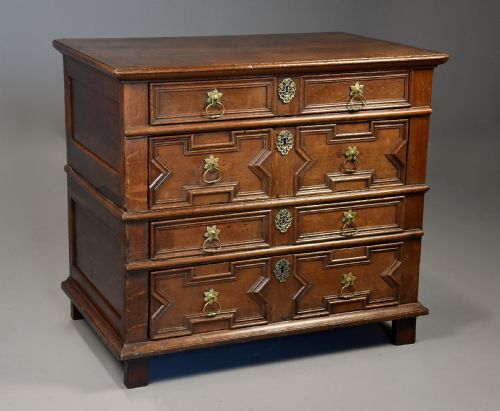
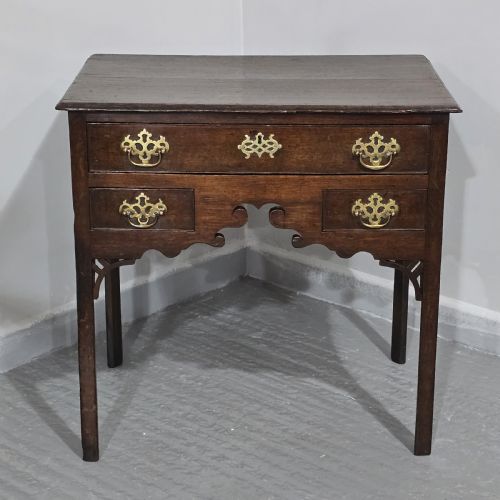
When you search for william and mary oak furniture, you encounter robust storage and display forms built predominantly during the late seventeenth and early eighteenth centuries. Chests of drawers, side tables, lowboys, and chests on stands dominate the current selection, reflecting the domestic needs of the period.
The objects span periods from the seventeenth century through to the early eighteenth century, alongside later revivals. Oak remains the primary structural timber, frequently paired with walnut, elm, fruitwood inlay, and oyster veneer.
Materials and construction
Cabinet makers utilised solid oak for framing and structural carcasses, cutting timber along the grain to ensure stability. Secondary timbers such as elm and fruitwood appear in lesser components and internal drawer linings.
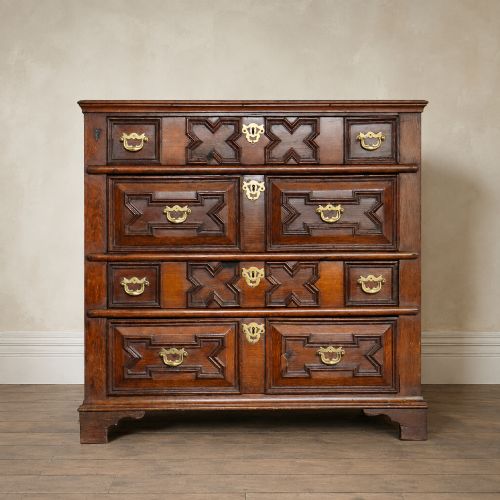
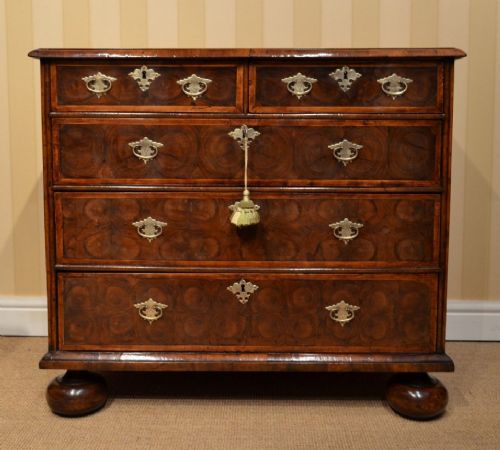
Surface enrichment relied on decorative cutting and layering, including intricate oyster veneering and geometric mouldings. Brass hardware, such as drop handles and escutcheons, was pinned directly to the drawer fronts.
Listings feature seventeeth-century and eighteenth-century periods alongside occasional nineteenth-century examples and nineteen-ten revivals.
Distinctions in quality
The refinement of surface decoration distinguishes standard utility pieces from high-status examples. Elaborate geometric block fronts, parquetry, and carefully matched burr walnut or oyster veneers demand advanced carpentry skills.
Survival of original surface patination and untouched timber interfaces dictates the desirability of a piece. Structural integrity maintained through period-appropriate joinery holds greater weight than replaced secondary elements.
Gillows
The William and Mary Oak Furniture Glossary
- Oyster veneer
- Slices of branch wood cut transversely to produce circular or oval patterns resembling oyster shells. This technique decorated drawer fronts and table tops during the late seventeenth century.
- Lowboy
- A small side table featuring one or more rows of drawers supported on four legs. These items served various domestic functions including writing and dressing.
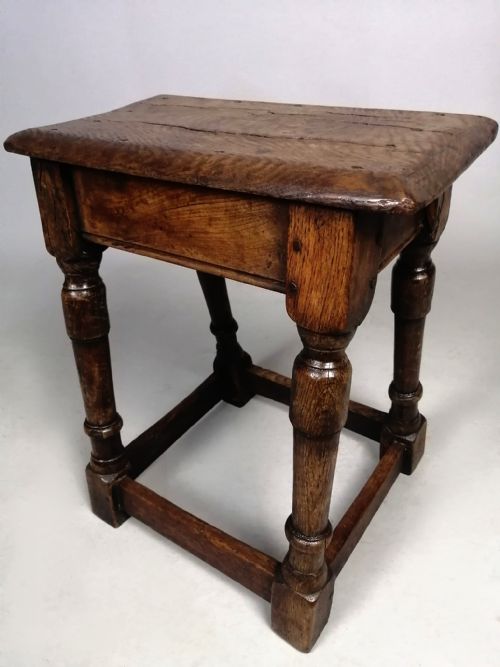
- Joint stool
- A sturdy wooden seat constructed with mortise and tenon joints pegged together. They provided flexible seating around the seventeenth-century household.
- Geometric moulding
- Raised wooden projections applied to drawer fronts and door panels in repeating rectilinear patterns. This decorative treatment creates strong shadow lines across the facade.
- Chest on stand
- A case of drawers elevated on a separate frame with legs connected by stretchers. This form lifted storage higher off damp floors and introduced lighter proportions.
William and Mary Oak Furniture: Frequently Asked Questions
How do I date these pieces?
Dating relies on construction methods, timber choices, and stylistic markers such as geometric mouldings or leg turnings. Seventeenth-century items often display hand-riven oak boards and early iron fixings.
Later pieces from the eighteenth century or subsequent revivals incorporate different internal framing techniques and machine-sawn timbers. Comparing joinery details across dated examples helps establish a reliable timeline.
Were these pieces used daily?
These items formed the core of functional domestic life in seventeenth and eighteenth-century households. Chests stored textiles and valuables, while side tables and lowboys provided surfaces for serving and writing.
Their heavy oak and walnut construction suited constant handling and movement around large rooms. Over centuries of use, surfaces acquired patination from natural oils and wear.
How do I care for oak?
Maintain stable relative humidity in your room to prevent native timbers from splitting or warping. Avoid placing pieces near direct heat sources or in strong sunlight.
Apply traditional beeswax sparingly to nourish the dry wood surfaces without building up heavy residues. Dust gently with a soft dry cloth.
What is walnut veneer?
Walnut veneer involves adhering thin sheets of decorative walnut wood onto a stable secondary timber carcass like oak. This method allowed cabinet makers to display striking grain patterns without using solid expensive timber.
In period pieces, these thin layers were secured with animal protein glues that require careful environmental control today. The contrasting tones of walnut and oak became a defining aesthetic of the era.