


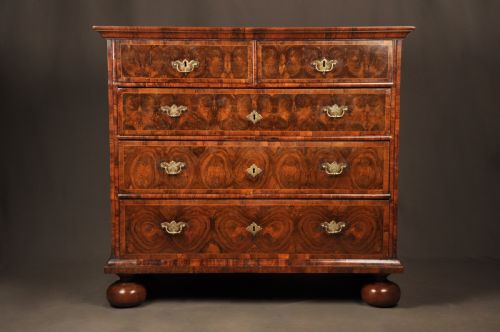


William and Mary Oak Chest
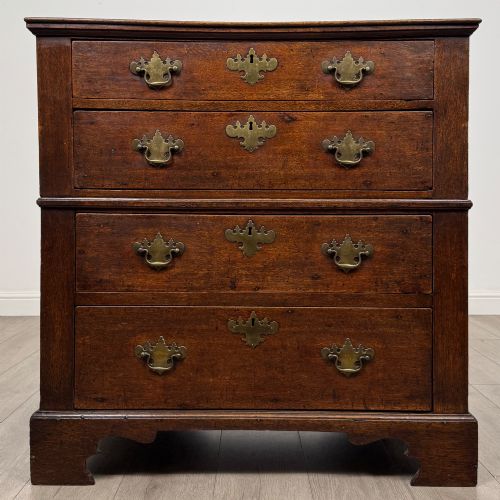
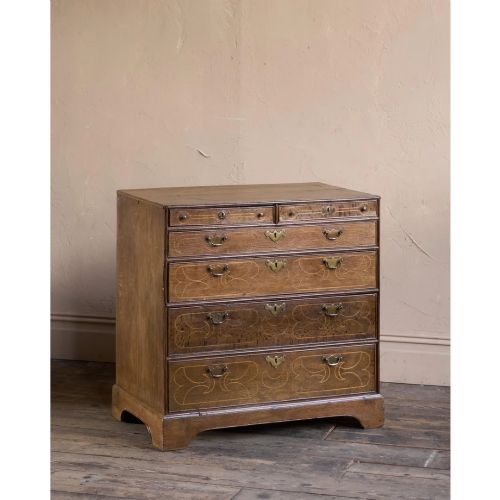
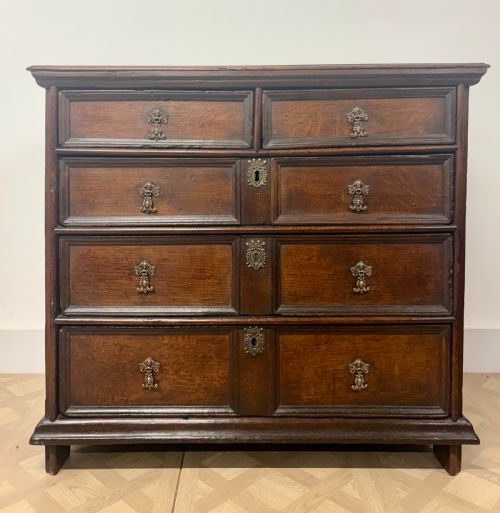
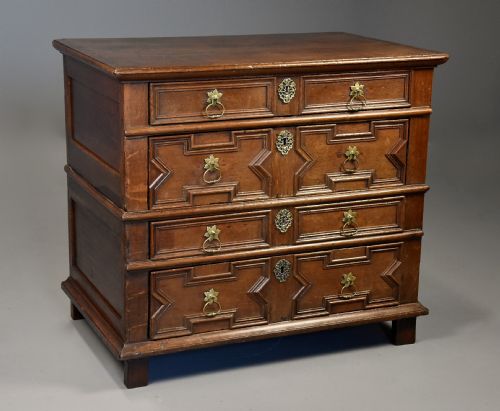
A william and mary oak chest brings late seventeenth-century craftsmanship into a room through rich timber grain and linear geometric mouldings.
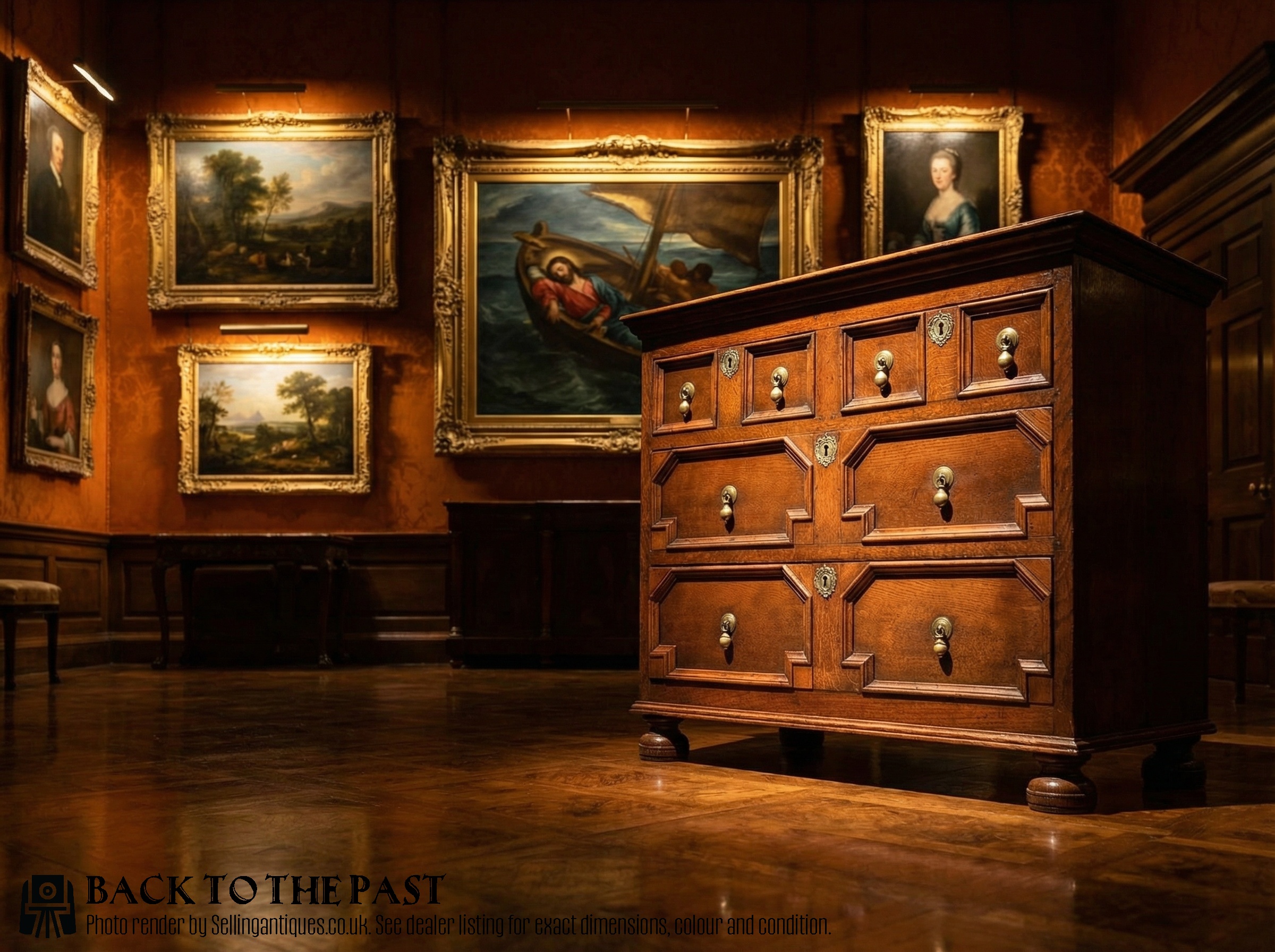
William and Mary Oak Chest
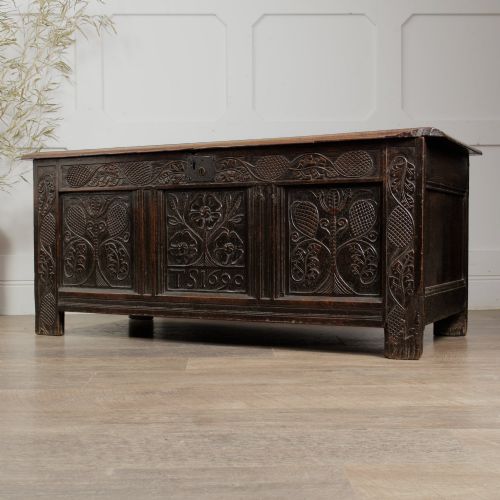
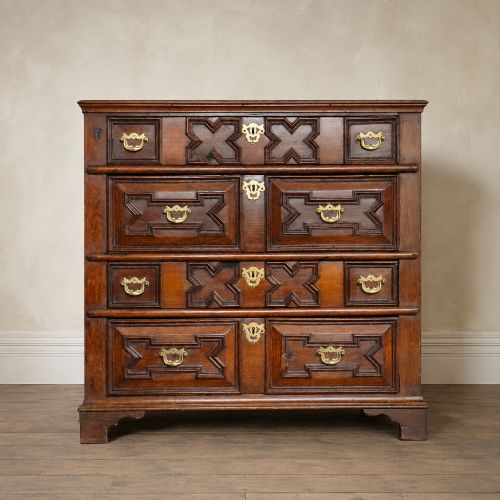
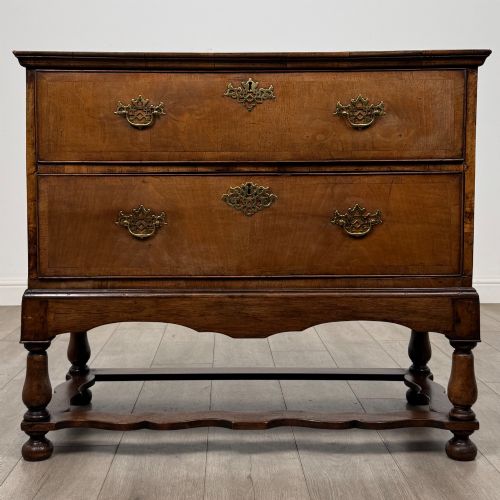
A william and mary oak chest typically manifests as a sturdy chest of drawers, a raised chest on stand, or a joined coffer originating from the late seventeenth and early eighteenth centuries.
The buyer meets pieces displaying moulded drawer fronts and smaller document boxes, alongside larger storage trunks shaped during the late Stuart period.
Origins span English country workshops and more refined metropolitan centres, often incorporating walnut, fruitwood inlay, and distinctive base stands.
Distinction in Construction and Surface
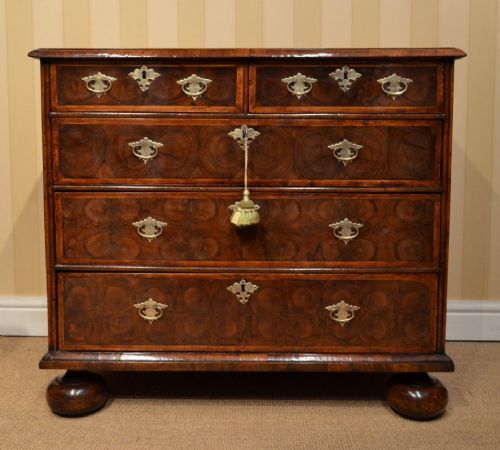
The standard of a piece rests upon the crispness of its geometric mouldings and the complexity of its veneer work, where tightly matched burr walnut or olive sections elevate the visual depth.
Surface preservation defines the upper tier, distinguishing dry, untouched timber patinas from later alterations or heavy modern refinishing.
Proportion and scale dictate desirability, with compact chests on stands and smaller document boxes commanding greater attention than utilitarian storage trunks.
William and Mary Oak Chest Retail Price Guide 2026
Typical asking prices for william and mary oak chest among the pieces listed under this phrase on Sellingantiques today, from the lower quarter to the upper quarter. They describe what is for sale here now, not the wider market.
Listings feature oak, walnut, olive, and burr walnut, alongside oyster veneer and fruitwood inlay.
The William and Mary Oak Chest Glossary
- Oyster Veneer
- Thin slices cut transversely from small branches or roots to create circular and oval patterns resembling oyster shells. This technique requires meticulous placement across drawer fronts.
- Chest on Stand
- A case of drawers raised upon a separate support frame featuring turned legs and stretchers. This elevated form appeared frequently toward the end of the seventeenth century.
- Geometric Moulding
- Raised wooden profiles applied to drawer fronts in rectilinear or intersecting panel designs. These elements create strong shadow lines characteristic of the period.
- Document Box
- A small portable wooden container utilised for storing letters, deeds, and valuables. Examples from this era often feature inscribed dates and initials.
- Coffer
- A heavy storage chest constructed from thick boards joined at the corners. These utilitarian trunks served domestic needs before dedicated drawer chests became common.
William and Mary Oak Chest: Frequently Asked Questions
What defines a william and mary oak chest?
A william and mary oak chest is a seventeenth or early eighteenth-century storage piece distinguished by geometric drawer mouldings, panelled construction, and often a raised stand.
These pieces reflect the transition from joined board construction to sophisticated cabinet making involving decorative veneers and contrasting timbers.
How do I care for antique oak furniture?
Living with these pieces requires maintaining stable indoor humidity and avoiding direct sunlight to protect the fragile veneers and dry timber patinas.
Applying occasional appropriate wax feeds the grain and preserves the historic surface without stripping away accumulated character.
How can I tell the period from later copies?
Period pieces display traditional joinery techniques, hand-cut dovetails, and timber shrinkage consistent with centuries of age rather than mechanical tooling.
Examining the interior construction, secondary woods, and the nature of the surface wear helps clarify the age of the piece.