
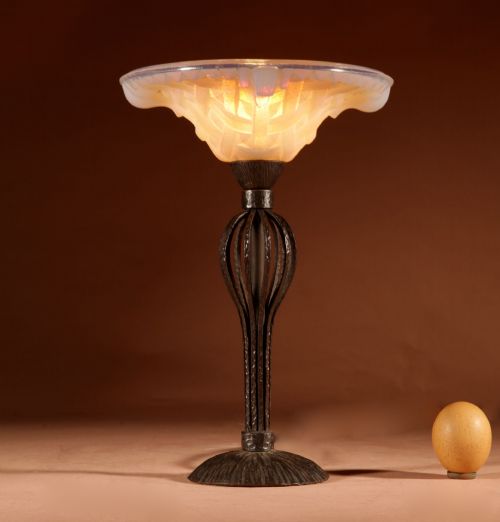


White Wrought Iron Table
These white wrought iron table examples combine durable metalwork with practical surfaces, offering timeless utility for gardens and conservatories.
White Wrought Iron Table
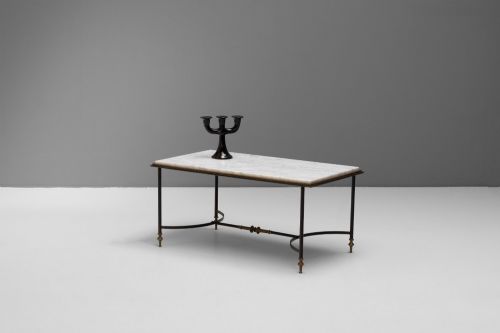
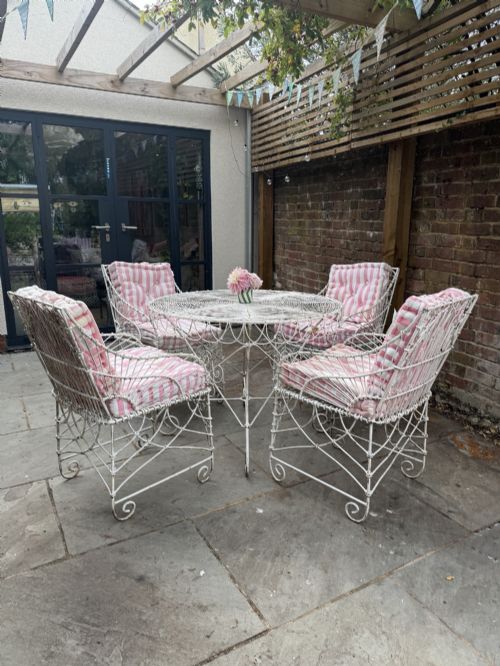
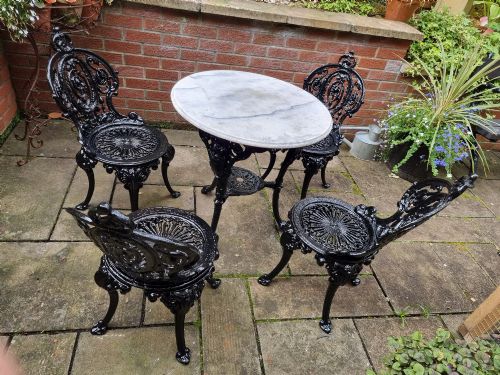
A white wrought iron table serves as a sturdy centrepiece for gardens, conservatories, and interior spaces alike. When searching for a white wrought iron table, buyers encounter various forms ranging from robust garden dining sets to refined marble-topped console tables.
The selections span distinct periods including the nineteenth century, the Edwardian era, and the nineteen-thirties. Pieces often originate from French traditions, encompassing garden, café, and patisserie styles.
Alongside standard dining sets, the inventory includes specialised forms such as wirework plant stands, coffee tables, and side tables. These objects frequently incorporate complementary materials like marble tops or cast iron elements.
How they were made
Maker construction relies heavily on durable metals, utilising wrought iron and cast iron for structural support and scrolling details. Blacksmiths heated and hammered iron bars to form curves and joints, creating resilient outdoor frames.
Many surfaces pair the metal bases with contrasting inset marble slabs to provide smooth tabletops. Wirework construction also appears, bending wire into intricate mesh patterns suitable for plant stands and light conservatory furniture.
Listings span periods from the 1880s through the 1930s, featuring materials like wrought iron, marble, and wirework.
What varies in quality
Quality rests in the precision of the metalwork and the integration of secondary materials such as marble or brass. Finer examples display carefully balanced proportions and hand-hammered details that elevate utilitarian garden furniture into decorative furnishings.
The condition of the original surface materials distinguishes better specimens. Intact original marble tops and well-preserved structural joins indicate superior manufacture and careful historical maintenance.
The White Wrought Iron Table Glossary
- Wrought iron
- Tough, malleable iron shaped by heating and hammering. It bends into decorative scrolls without snapping easily.
- Cast iron
- Iron poured into a mould while molten. This technique allows for heavier, repeating decorative patterns.
- Wirework
- Metal strands bent and woven into open lattices. It appears frequently in lighter conservatory and plant furniture.
- Patisserie table
- A commercial shop table featuring a heavy marble top. These were used in French bakeries for preparing pastries.
- Console table
- A wall-mounted or freestanding narrow table. They function well in hallways and against living room walls.
White Wrought Iron Table: Frequently Asked Questions
Where should I place my table?
These tables suit both sheltered garden terraces and interior spaces like conservatories or hallways. Marble-topped versions often find homes indoors as coffee or console tables.
Exposed outdoor placement requires regular maintenance to protect the metal finish from persistent dampness and weathering over time.
How do I clean marble tops?
Wipe marble surfaces gently using a soft cloth dampened with warm water and mild soap. Avoid acidic cleaners that can etch the polished stone surface.
Dry the marble thoroughly after washing to prevent water marks and maintain the smooth natural finish of the stone.
Are these pieces French in origin?
Many examples originate from France, reflecting regional styles such as French country, chateau, and patisserie traditions. These designs often feature lighter scrollwork and integrated marble.
Other pieces stem from British Edwardian and Victorian contexts, utilising heavier wirework and cast iron construction methods.
Can I leave iron tables outside?
While built for garden use, iron benefits from winter storage or protective covering during harsh weather. This helps preserve the painted surface and prevents rust accumulation.
Checking the metal periodically allows you to address minor paint wear before moisture affects the underlying iron.