


White Wooden Wall Mirror
A white wooden wall mirror brings light and proportion to a room, offering the charm of carved frames and aged paint.
White Wooden Wall Mirror
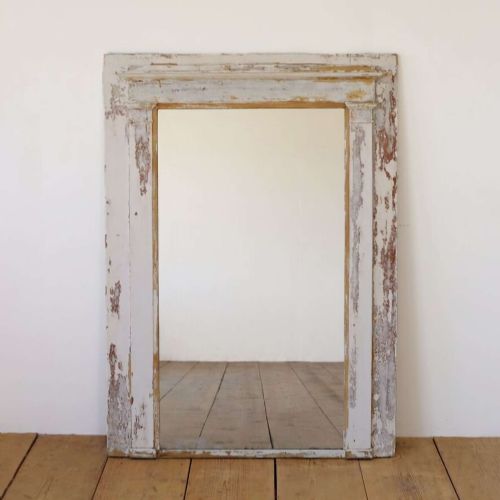
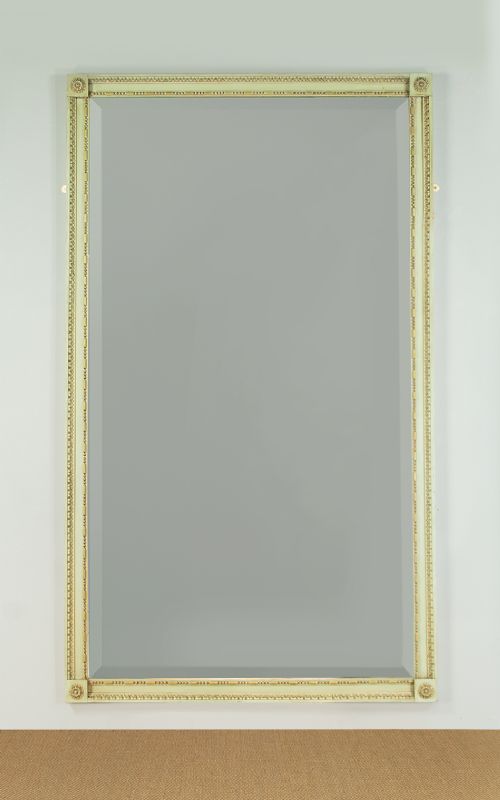
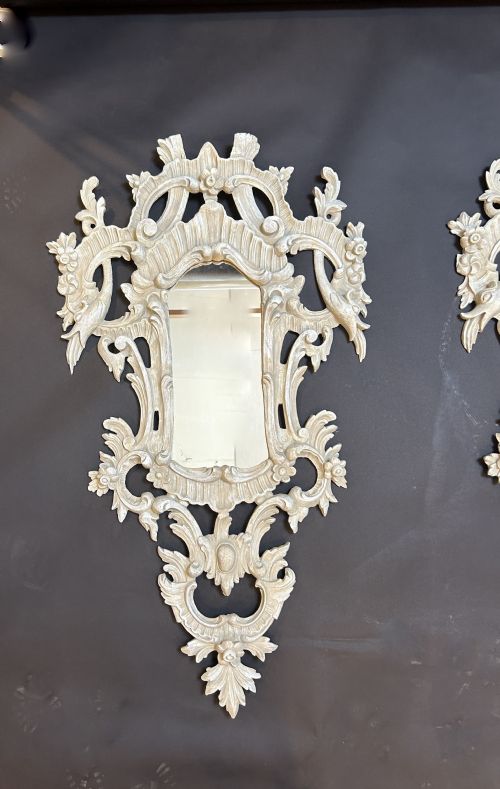
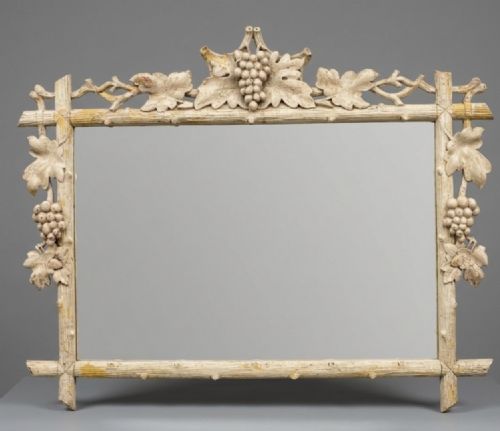
When searching for a white wooden wall mirror, you encounter pieces spanning from the eighteenth century through to the Edwardian period, with nineteenth-century examples dominating the selection. These items appear primarily as large overmantel mirrors, hall mirrors, and architectural trumeau forms shaped by French provincial, Rococo revival, and Victorian rustic styles.
The selection ranges from simple architectural frames to heavily carved and gessoed surfaces with arched or shaped tops. Most pieces demonstrate considerable scale, functioning as statement items designed to anchor a room or reflect light across a space.
How they were made
The frames combine timber construction with carved wood and applied gesso, finished with layers of paint that often show wear over time. Gold leaf accents occasionally peek through the over-painted surfaces on nineteenth-century gilt frames.
Glass plates are set within these wooden structures, utilising traditional silvering methods appropriate to their respective periods, from eighteenth-century architectural mirrors to early twentieth-century workshops.
Some nineteenth-century mirrors wear their history openly, carrying layers of over-paint that hint at decades of changing drawing-room fashions.
What varies in quality
Quality rests in the depth and crispness of the wood carving, the proportion of the frame, and the integrity of the original gesso and paint layers. Hand-carved detail on nineteenth-century French and English frames reveals the hand of skilled makers compared to simpler utilitarian pieces.
The survival of original mirror glass and the organic patination of the painted surface distinguish superior examples, where age enhances the decorative impact without obscuring the form.
The White Wooden Wall Mirror Glossary
- Gesso
- A plaster-like material applied to wood frames to create a smooth surface for painting or gilding. It allows for intricate relief ornamentation before the final coat is applied.
- Overmantel mirror
- A large mirror specifically designed to hang above a fireplace mantelpiece. These pieces often feature horizontal proportions to match the width of the hearth below.
- Trumeau mirror
- An architectural mirror incorporating a painted panel or artwork above the glass plate. Originating in eighteenth-century France, these pieces were designed to fit specific wall panels.
- Cushion mirror
- A frame profile where the moulding curves outward like a pillow towards the outer edge. This style adds visual weight and depth to the wall.
- Gilt
- A thin layer of gold leaf applied to the surface of wood or gesso. Traces of gilding often show beneath later coats of white paint on older frames.
White Wooden Wall Mirror: Frequently Asked Questions
How do I hang a heavy overmantel mirror?
These substantial frames require secure fixing directly into wall studs or masonry using heavy-duty brackets suited to the weight of wood and glass.
Professional installation is recommended for larger nineteenth-century pieces to ensure the wall structure supports the load safely.
Are the mirror plates original?
Many period pieces retain their original glass, which often exhibits gentle foxing and age spots that confirm its antiquity.
Replacement glass appears in pieces where the original plate suffered damage over decades of use.
How do I clean an antique painted frame?
Dust the carved wooden surfaces gently with a dry, soft brush to protect fragile gesso and aged paint finishes.
Avoid liquid cleaners and harsh chemicals that can strip or soften the historic paint layers.
What defines a French provincial style mirror?
French provincial mirrors display softer, rustic curves and simpler carving than grand court styles, reflecting regional craftsmanship.
They often feature distressed white paint over carved wood, suiting relaxed interior schemes.