


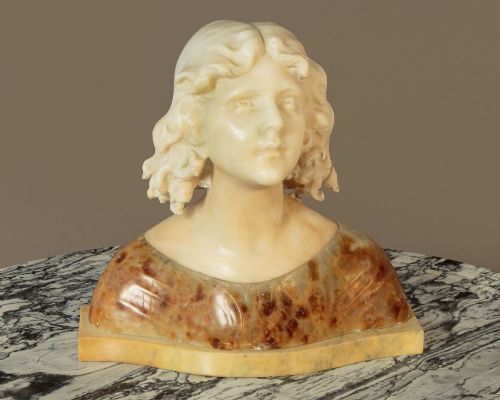

White Stone Figure Sculpture
A white stone figure sculpture brings classical elegance and carved detail into an interior.
White Stone Figure Sculpture
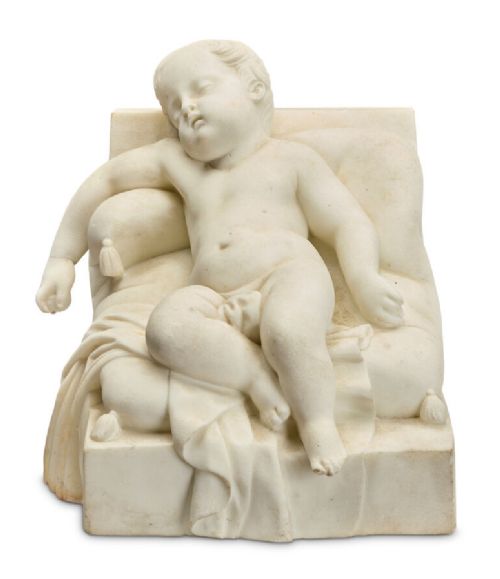
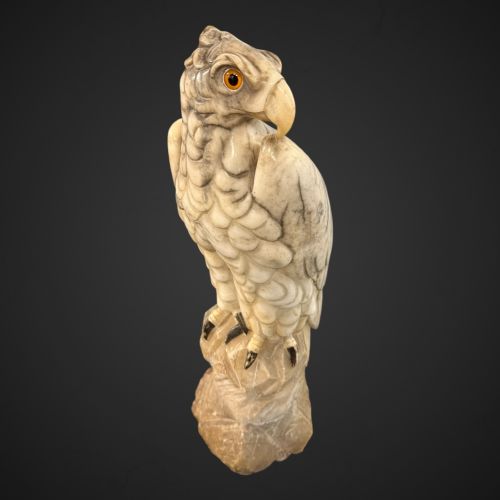
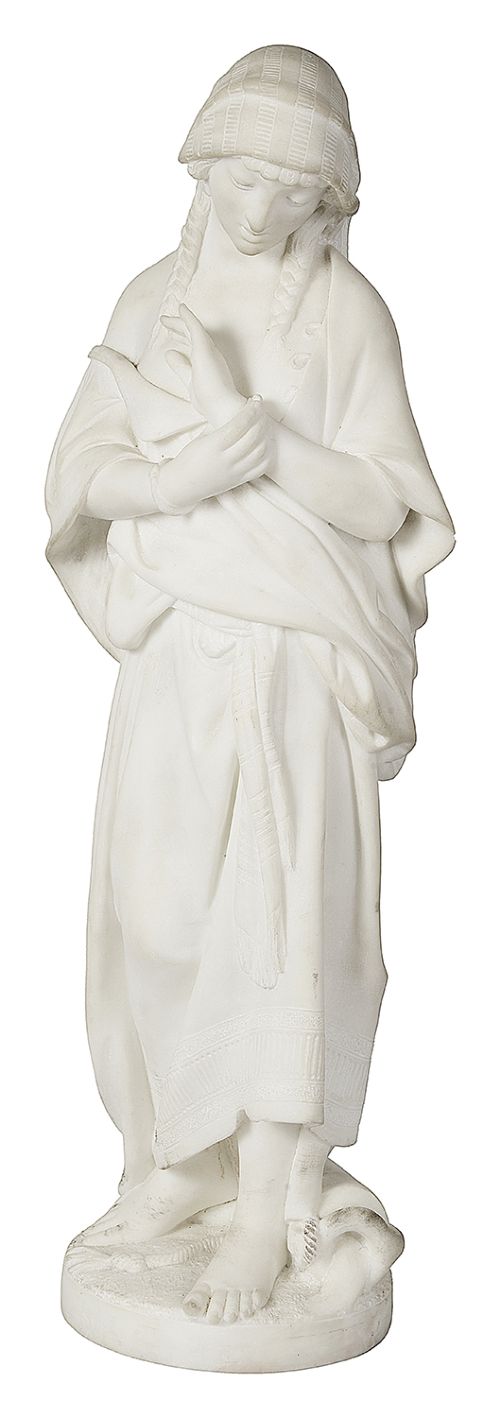
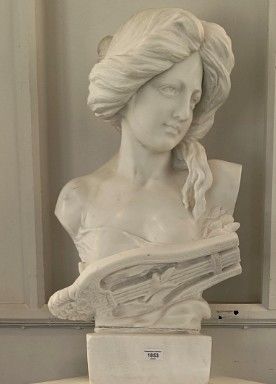
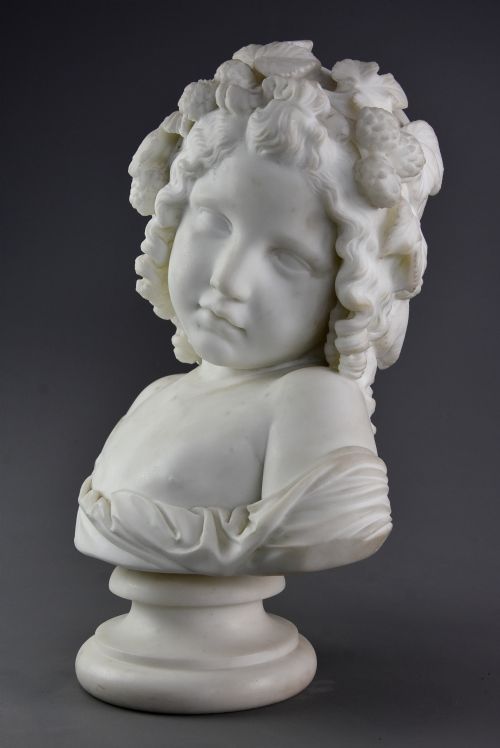
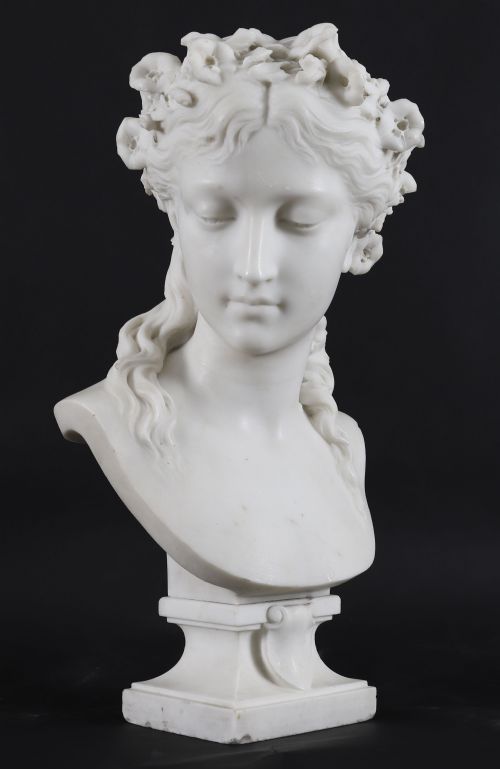
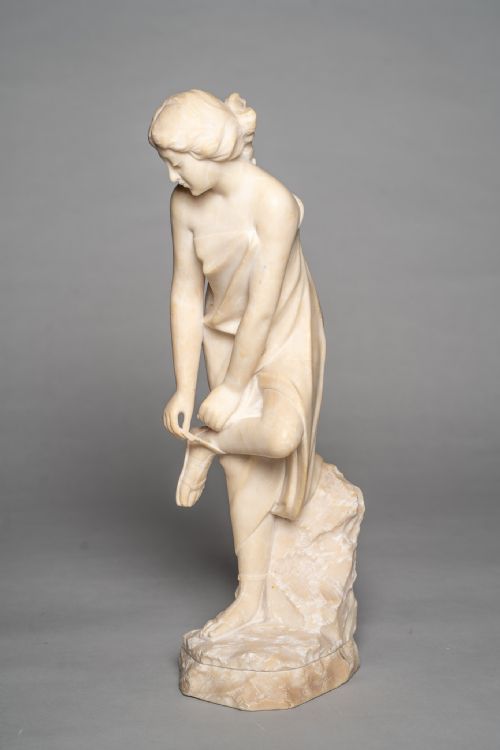
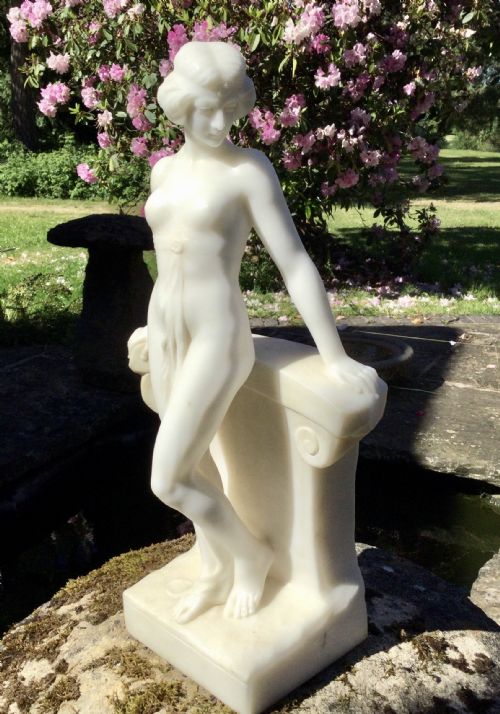
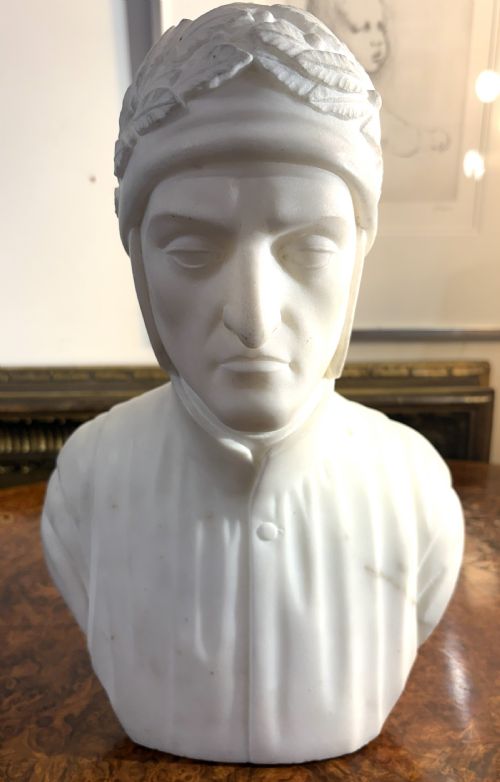
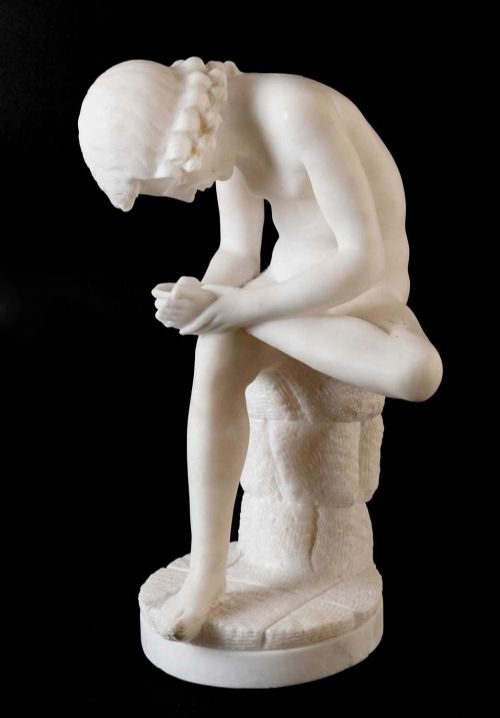
A white stone figure sculpture encompasses carved representations of human figures, animals, and mythological subjects shaped from pale minerals. When searching for a white stone figure sculpture, collectors most frequently encounter 19th-century portrait busts, mythological figures, and full-length statues.
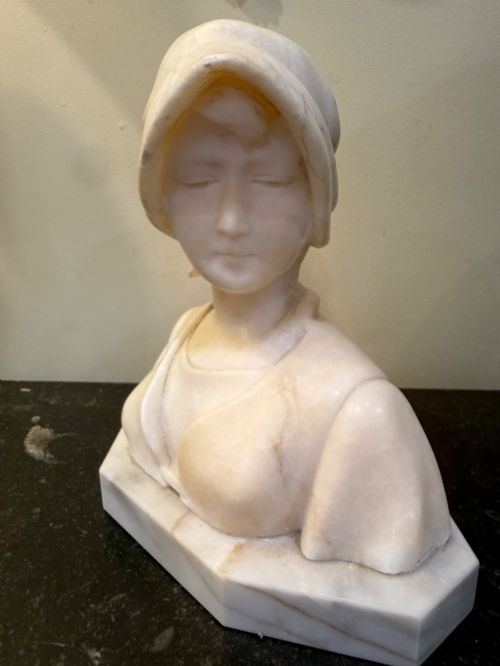
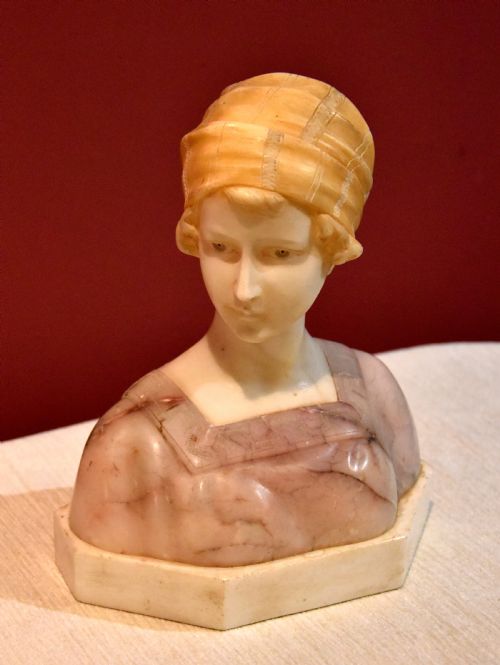
The selections span from Neoclassical library busts of historical figures to Italian carved alabaster studies of young women. These works include both indoor library pieces and larger garden statues originating from European and Asian traditions.
Materials and carving methods
Carvers shaped these pieces primarily from marble, Carrara marble, and alabaster using traditional hand chisels and drills. Artisans selected stone blocks for their texture, working the material to capture folds of drapery, hair, and facial expressions.
Some works combine white marble with tinted alabaster or incorporate veined stone varieties to add natural contrast. Sculptors finished the surfaces through manual polishing, creating smooth skin tones or matte drapery.
Materials recorded across the inventory include Carrara marble, solid alabaster, reconstituted stone, and glass.
Distinctions in craftsmanship
The standard of a carved piece depends upon the precision of anatomical detail and the subtlety of the surface polish. Master carvers achieved realistic depth in hair and fabric, whereas simpler works remain stiff and blocky.
Signatures by recognised sculptors or documented foundry and studio attributions elevate a piece significantly. The choice of unblemished Carrara marble or fine translucent alabaster rather than coarse stone also marks superior execution.
Barranti Florence·Houdon·Eugene Aizelin·A Gamay·Auguste Henri Carli·Antonio Canova·Carrier Belleuse·Fritz Kochendorfer·Pugi·Eduardo Giolli
The White Stone Figure Sculpture Glossary
- Carrara marble
- A type of white or blue-grey marble quarried in the city of Carrara in Tuscany, Italy. This stone was the preferred material for many European sculptors due to its fine grain.
- Alabaster
- A fine-grained, translucent stone that is softer than marble, making it suitable for detailed interior carving. Sculptors often utilised it for delicate busts and reclining figures.
- Portrait bust
- A sculpted representation of a person's head, shoulders, and upper chest. These pieces served as library ornaments or commemorative memorials.
- Neoclassical
- An artistic style inspired by the art and culture of ancient Greece and Rome. Works in this style emphasise proportion, restraint, and classical mythology.
- Grand Tour
- A traditional trip of Europe undertaken by upper-class young European men of means in the 18th and 19th centuries. Travellers often acquired small marble statues and busts as souvenirs.
White Stone Figure Sculpture: Frequently Asked Questions
How do I identify marble versus alabaster?
Alabaster feels noticeably softer than marble and often possesses a translucent quality that lets light pass beneath the surface. Marble remains harder and colder to the touch, featuring opaque crystalline grains.
Veined varieties of marble show distinct mineral streaks, whereas alabaster tends toward uniform milky tones or subtle clouding.
Are these pieces signed by artists?
Many works feature signatures, monograms, or foundry marks carved directly into the base or rear of the stone. These inscriptions often name the sculptor or the Italian workshop responsible for the carving.
Unsigned pieces remain common, frequently representing studio productions or Grand Tour souvenirs created for travelling collectors.
How should I care for stone sculptures?
Clean stone surfaces gently using a dry microfiber cloth to remove dust from crevices and carved details. Avoid chemical cleaning agents and excessive water, which can damage softer alabaster.
Keep pieces away from direct heat sources and sudden temperature shifts to protect the mineral structure.