



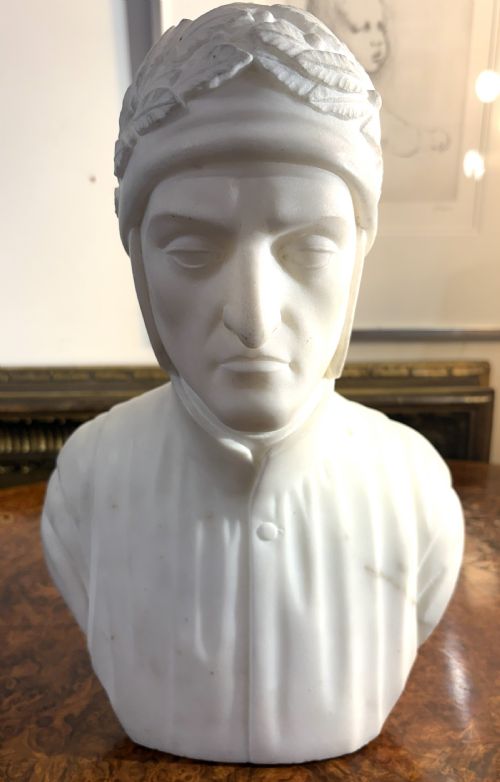
Classical White Marble Sculpture
Classical white marble sculpture brings the carved forms of antiquity, mythology and portraiture into domestic spaces through enduring stone.
Classical White Marble Sculpture
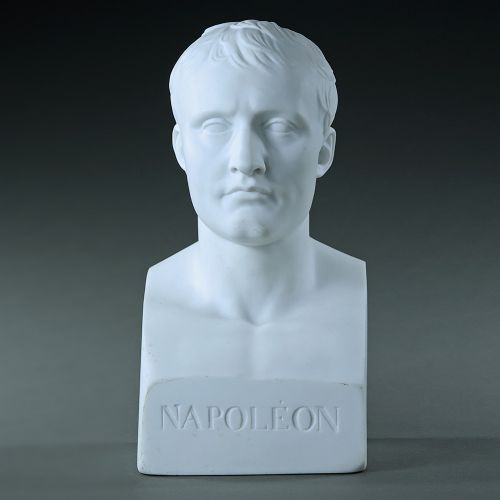
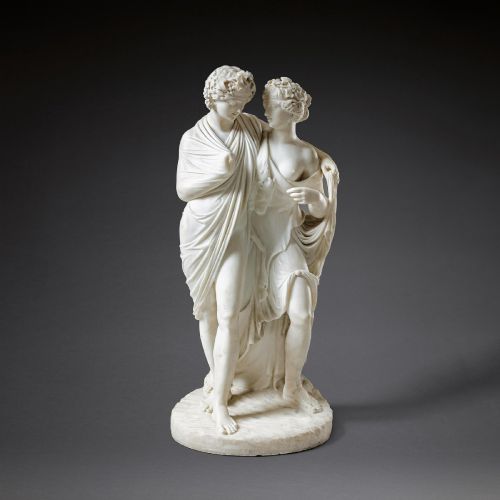
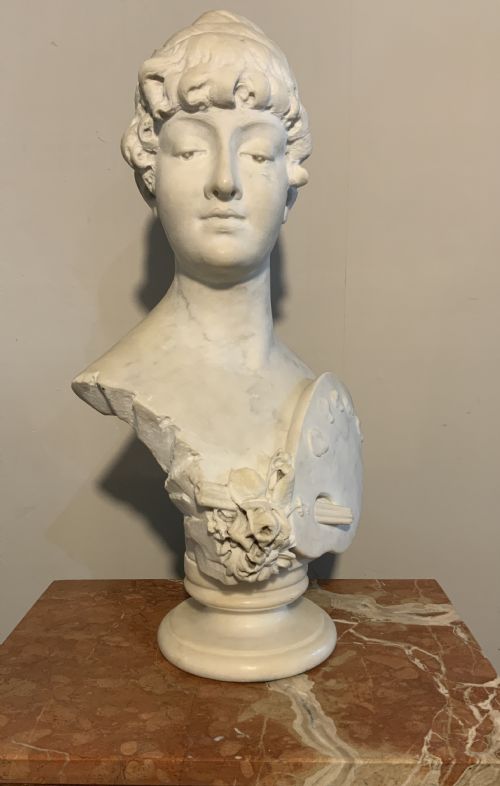
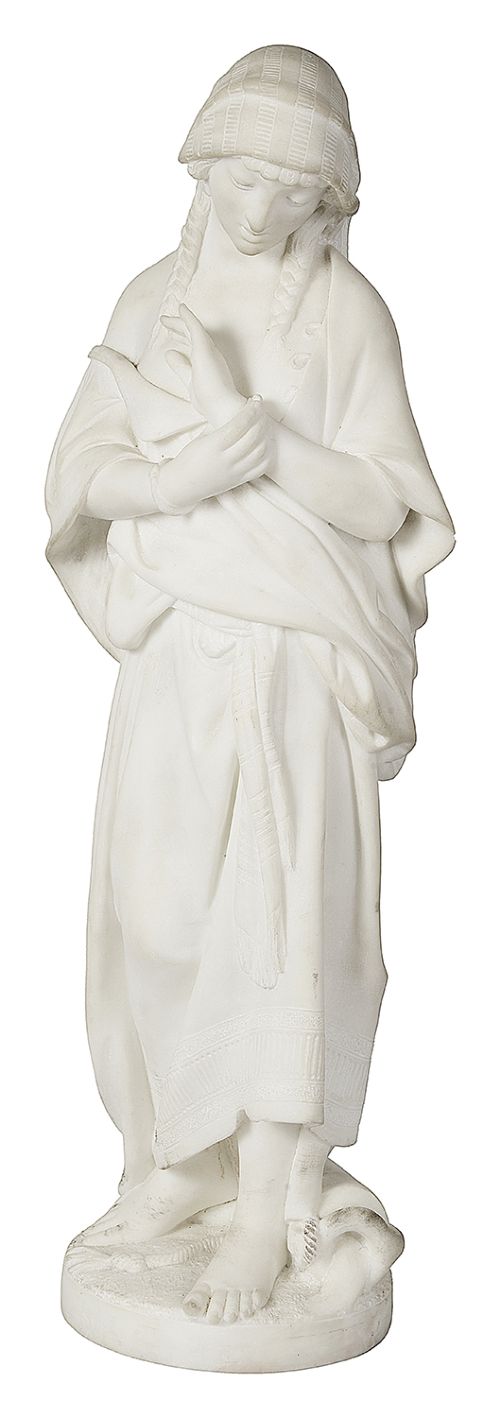
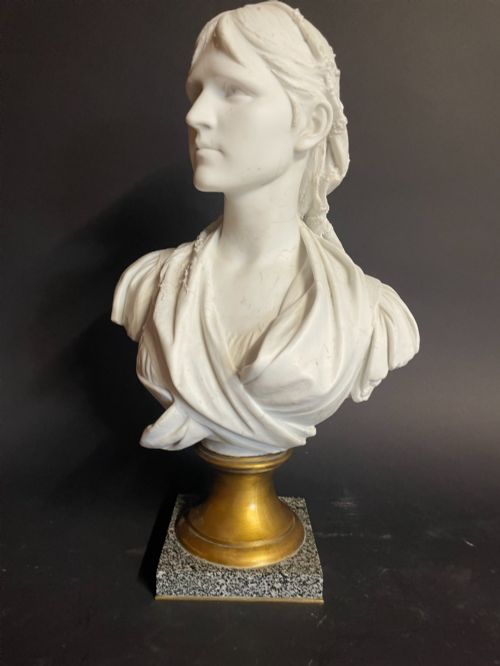
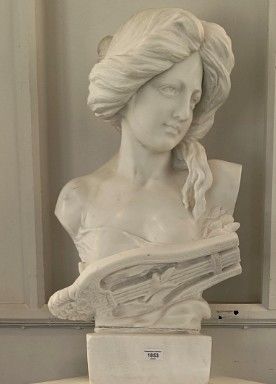
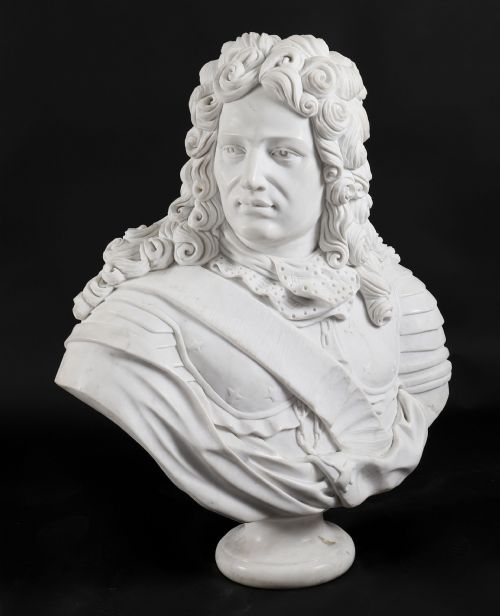
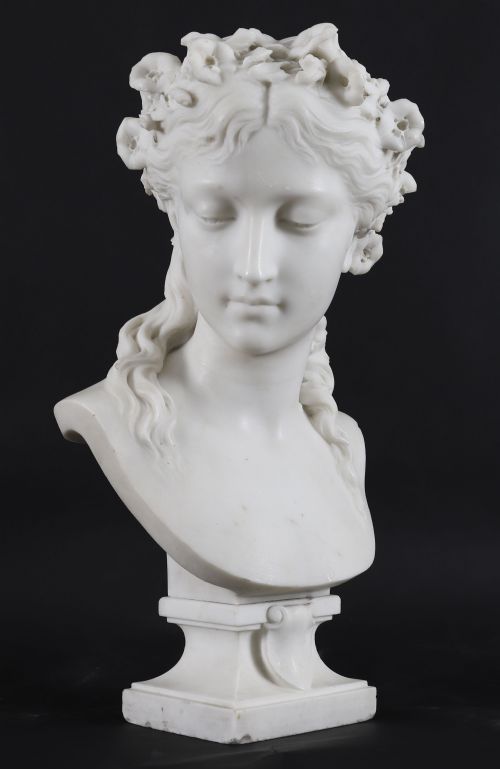
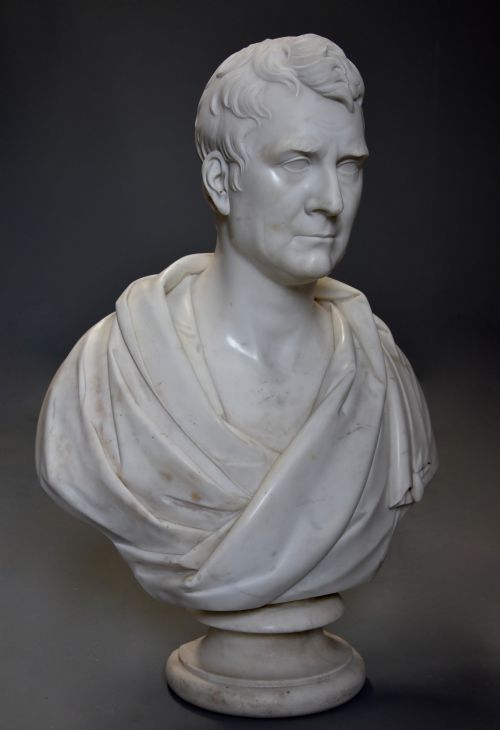
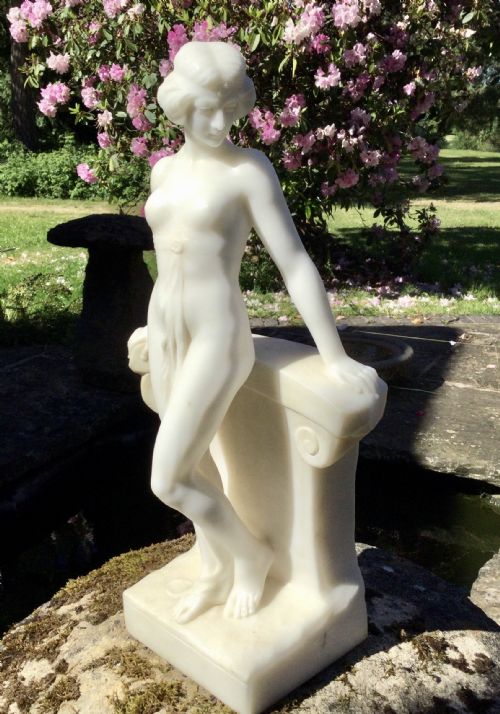
A classical white marble sculpture typically takes the form of a portrait bust, a full-length historical or mythological figure, or a relief plaque after antique models. These pieces draw heavily on Neoclassical and Victorian revival idioms, capturing subjects from Greek mythology, literary figures such as Dante, and civic dignitaries.
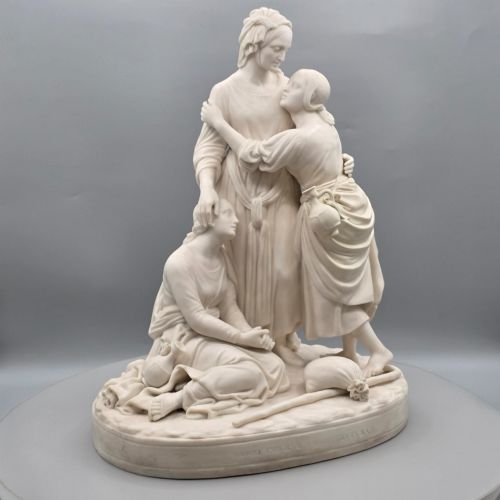
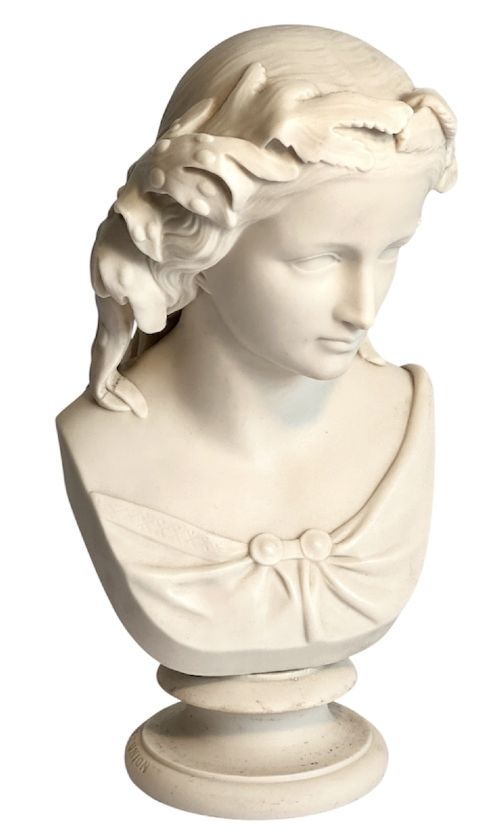
The versions most commonly met on this page originate from nineteenth-century Italian and British workshops, ranging from Grand Tour souvenirs to monumental portraits. Alongside carved marble, related materials like alabaster and Parian porcelain appear, reflecting the broader nineteenth-century appetite for classical statuary.
Materials and carving techniques
Sculptors utilised fine-grained Carrara marble and alabaster, shaping the stone through chiselling, rasping and abrasive polishing to achieve smooth flesh tones and crisp drapery. Many nineteenth-century works relied on pointing machines to transfer proportions accurately from plaster models carved after antique precedents.
Alternative mediums like Parian porcelain and marble dust composites appear alongside quarried stone, offering moulded or cast interpretations of classical forms. Bases frequently incorporate contrasting veined stones such as Vert de Mer or bronze mounts to support the primary sculpture.
One unfortunate canine visitor to the quarry might leave behind a permanent reminder, as seen in the nineteenth-century Carrara marble lion's paw.
Distinctions in craftsmanship and finish
Quality rests in the sensitivity of the carving, particularly how the chisel renders musculature, facial expression and the delicate folds of fabric. Superior pieces display anatomical precision and subtle surface grading that catch the light, distinguishing master carvers from routine workshop production.
The selection of the block itself dictates the visual impact, with flawless white statuary marble commanding greater regard than stone marred by heavy grey veining or natural inclusions. Signed works by documented nineteenth-century sculptors or established foundries retain stronger attribution than unsigned commercial outputs.
Carlo Albacini·Barranti·Eugene Aizelin·J Francis·Antonio Canova·R Mattei·Carrier-Belleuse·Fritz Kochendorfer·John Wenlock Rollins
The Classical White Marble Sculpture Glossary
- Carrara marble
- A type of white or blue-grey marble quarried in the city of Carrara in the north of Tuscany, widely utilised for major European sculpture since the Roman period.
- Grand Tour
- A traditional trip of Europe undertaken by upper-class European young men of sufficient status, resulting in the acquisition of souvenirs including bronze studies and marble busts.
- Neoclassical
- A Western cultural movement in the decorative and visual arts drawing inspiration from the classical art and culture of ancient Greece or Rome.
- Parian porcelain
- A type of bisqueporcelain developed in England during the nineteenth century, designed to imitate carved marble for small-scale classical figures and portrait busts.
- Relief
- A wall-mounted sculptural technique where the sculpted elements remain attached to a solid background of the same material.
Classical White Marble Sculpture: Frequently Asked Questions
What subjects do these classical sculptures depict?
The pieces frequently portray figures from Greek and Roman mythology, historical commanders, literary icons, and private sitters of the nineteenth century.
Portrait busts and mythological studies dominate the selection, reflecting the Victorian and Neoclassical fascination with antique ideals and heroic narratives.
How were nineteenth-century marble busts displayed?
In nineteenth-century homes, these sculptures sat upon library desks, mantelpieces, or dedicated marble and wood pedestals in hallways and drawing rooms.
Larger civic busts and full figures often required reinforced architectural plinths to support their substantial weight and elevate them to eye level.
How do I distinguish Carrara marble from alabaster?
Carrara marble is a hard, crystalline metamorphic rock that withstands scratching and displays a cool, dense white appearance with occasional grey veining.
Alabaster is a softer, gypsum-based stone that allows light to penetrate slightly beneath the surface, possessing a warmer tone and much lower scratch resistance.
Are these sculptures original antiques or later copies?
The listings span nineteenth-century originals and period reduction casts, many of which were carved in Italian studios after famous excavated antiquities.
Signatures, tool marks, and the ageing of the stone help differentiate period studio carvings from twentieth-century reproductions.