


Nineteenth Century Alabaster Statue
A nineteenth century alabaster statue brings classical presence into a room, carved from soft stone to capture expressive human forms and classical subjects.
Nineteenth Century Alabaster Statue
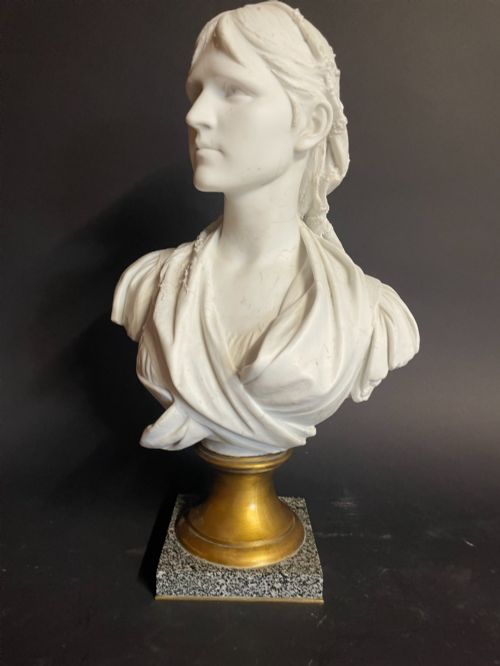
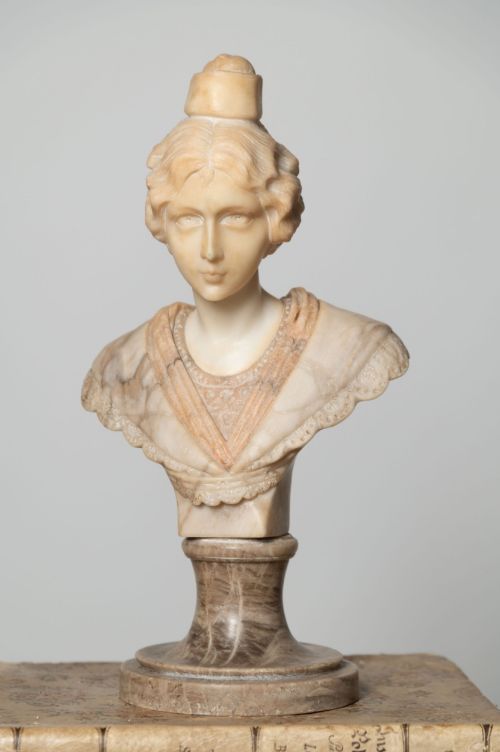
When someone searches for a nineteenth century alabaster statue, they encounter figurative sculptures and busts spanning the periods between eighteen fifty and nineteen hundred. These pieces originate from Italian, French, and continental workshops, capturing classical figures, mythological subjects, and portraits.
The versions most commonly met on this page include carved figures of women, classical busts, and sculptural groups produced during the late nineteenth century. Makers drew upon Neoclassical, French Empire, and Grand Tour traditions to shape these works from fine stone.
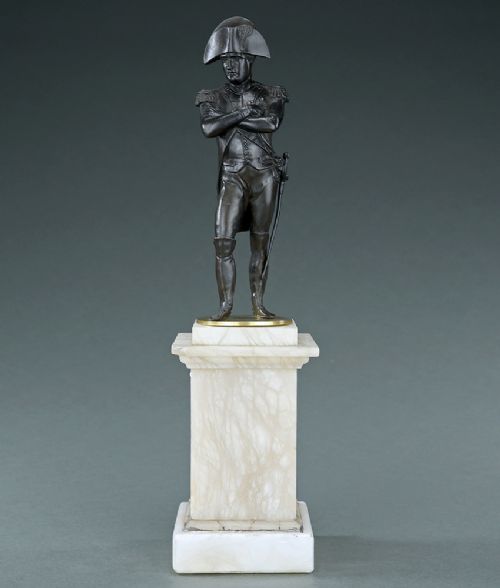
Object types vary from standalone sculptures and figures to detailed portrait busts mounted on stone or bronze bases. The scale ranges from cabinet pieces to substantial standing works.
How they were made
Workshops utilised hand chisels, rasps, and abrasive powders to achieve the matte or polished surfaces seen on figures and busts. Certain works incorporate signed or stamped foundry details alongside traditional hand carving.
Materials across the inventory include carved alabaster, marble, bronze, brass, granite, and parcel-gilt.
What varies in quality
Proportion and the naturalistic fall of clothing separate ambitious studio carvings from simpler commercial productions. The integration of contrasting materials, such as bronze or parcel-gilt mounts, also influences the visual weight of the sculpture.
Bright And Sons·George Van Der Straeten·Pugi
The Nineteenth Century Alabaster Statue Glossary
- Alabaster
- A fine-grained, translucent stone prized for sculpture because it accepts delicate chisel work and polish. It feels softer to the touch than marble.
- Neoclassical
- A revival style drawing inspiration from the classical art and architecture of ancient Greece and Rome. This aesthetic governed much nineteenth-century figurative sculpture.
- Grand Tour
- A cultural journey undertaken by wealthy Europeans that created a market for portable classical sculpture and portrait busts. These souvenir pieces were often carved in Italy.
- Parcel-Gilt
- Partially gilded with gold leaf or gold wash to highlight specific details such as hair ornaments, garments, or base trims.
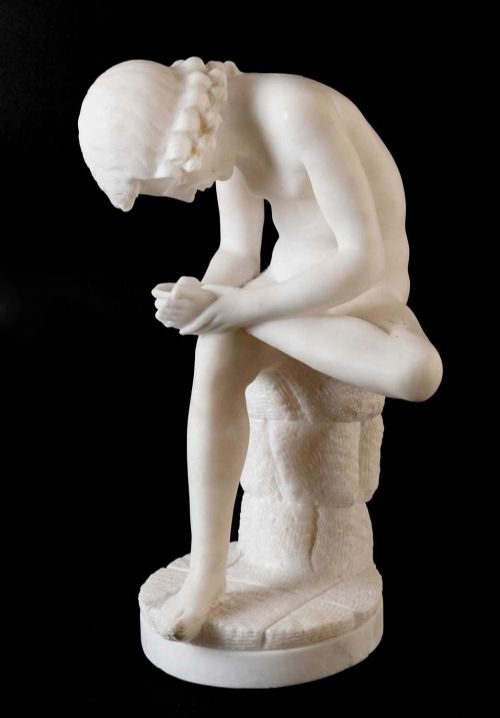
- Spinario
- A Hellenistic bronze sculpture of a boy removing a thorn from his foot, frequently copied in nineteenth-century stone and bronze reductions.
Nineteenth Century Alabaster Statue: Frequently Asked Questions
How do I clean nineteenth century alabaster?
Dust these sculptures gently with a dry, soft microfibre cloth or a soft-bristled brush. Avoid using water or liquid cleaners, as alabaster is porous and dissolves or stains easily.
Keep pieces away from direct sunlight and damp environments to protect the polished surface of the stone from dulling over time.
Where should I place a heavy stone statue?
Position your sculpture on a sturdy, level piece of furniture or a dedicated stone plinth that can safely support its weight. Ensure the display surface sits away from high-traffic walkways where the piece might be bumped.
Adequate interior lighting can enhance the translucent quality inherent in carved alabaster figures and busts.
How can I tell alabaster from marble?
Alabaster is softer than marble and can generally be scratched with a metal coin, though testing is not recommended on antique pieces. It also possesses a warmer, more translucent quality when light strikes the surface.
Marble tends to feel colder and displays a harder, more crystalline structure under magnification.
What is a Grand Tour sculpture?
Grand Tour sculptures were small or cabinet-scale replicas of famous classical antiquities purchased by travellers touring Italy and Europe during the nineteenth century. These pieces served as scholarly souvenirs and decorative ornaments for home libraries and drawing rooms.
They often bear the signatures or marks of specific Roman and Florentine studios active at the time.