


Italian Carved Alabaster Figure
An italian carved alabaster figure brings tactile warmth and classical elegance into a room through translucent stone and masterful nineteenth or twentieth-century carving.
Italian Carved Alabaster Figure
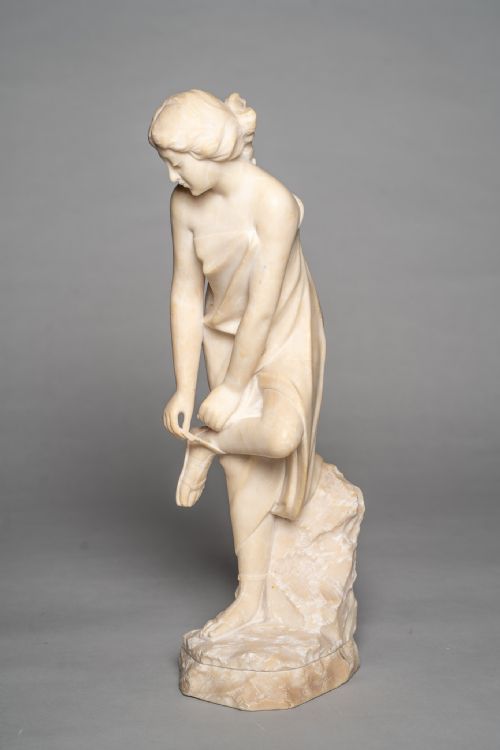
An italian carved alabaster figure represents subjects ranging from classical mythology to oriental dancers, capturing delicate drapery and human expression in soft stone. These works span from the nineteenth century into the early twentieth century, reflecting shifting tastes from Grand Tour souvenirs to Art Deco statements.
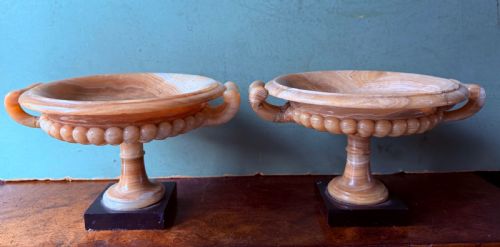
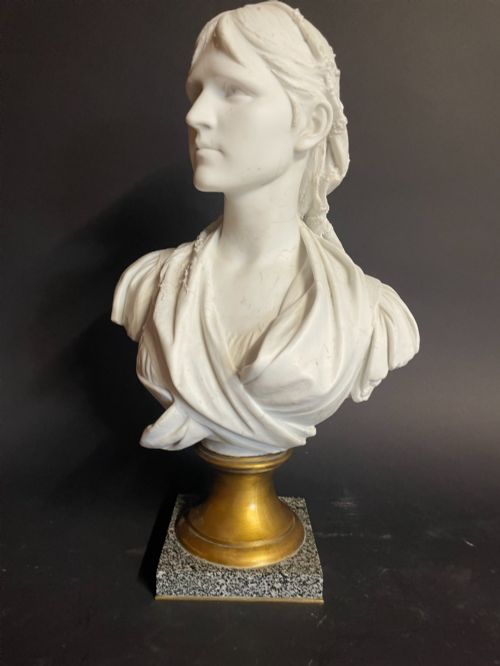
Buyers frequently encounter female figures, portrait busts, and classical subjects mounted on contrasting bases of black marble or granite. Alongside standalone sculptures, the selection includes decorative tazze, mantel clocks with glass domes, and multi-figure equestrian studies.
Origins trace directly to Italian workshops where master sculptors signed their pieces or produced uncredited works for European travellers and collectors. These sculptures utilise the natural veining of the stone to create lifelike depth in skin tones and garments.
Materials and Technique
Artisans carved these pieces from alabaster and white marble, frequently combining stone varieties or mounting sculptures onto black marble block bases. Certain works incorporate brass, metal, wood, and glass components such as protective domes.
Sculptors employed detailed chiselling and polishing techniques to exploit the translucent qualities of alabaster, rendering realistic textures in hair, fabric, and flesh. Signatures and foundry marks are occasionally chiselled directly into the stone base or lower register of the figure.
Listings feature alabaster alongside veined Carrara marble, granite, brass, and wood across periods from eighteen-seventy to the nineteen-thirties.
Judging Quality
The integration of supportive elements, such as contrasting marble plinths or patinated metal fittings, elevates the finished composition. Works bearing the signatures of established sculptors command particular attention for their superior execution.
A. Gamay·Antonio Frilli·Pugi·Gugielmo Pugi·P. Emilio Fiaschi·Cipriani
The Italian Carved Alabaster Figure Glossary
- Alabaster
- A fine-grained, soft stone prized for its translucency and smooth surface when polished. It allows light to penetrate slightly beneath the surface, creating a warm, skin-like glow.
- Grand Tour
- A cultural journey undertaken by wealthy young Europeans in the eighteenth and nineteenth centuries to collect classical art and souvenirs. These items often replicated famous antiquities.
- Tazza
- A shallow saucer-shaped vessel or cup elevated on a stem and foot. In Italian stone carvings, these are frequently paired and highly figured.
- Spinario
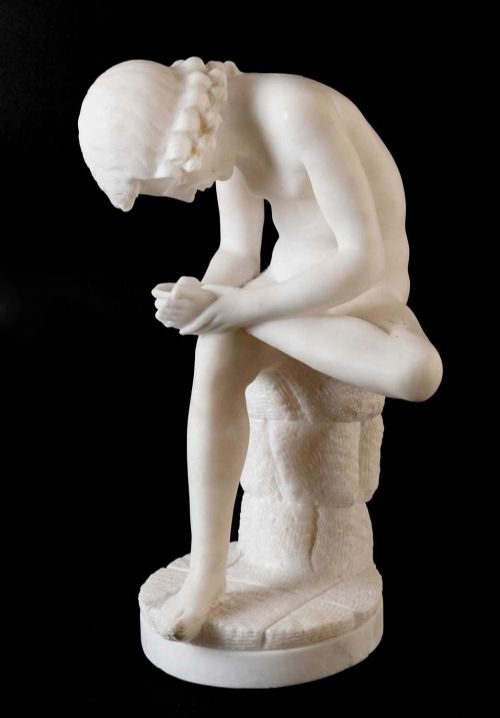
- A classical Hellenistic sculpture depicting a boy extracting a thorn from his foot. Antique versions reinterpret this iconic subject in carved stone.
- Neoclassical
- An artistic style inspired by the classical art and culture of ancient Greece and Rome. It emphasises symmetry, proportion, and restrained elegance.
Italian Carved Alabaster Figure: Frequently Asked Questions
How do I clean alabaster?
Alabaster is a soft and water-soluble stone that requires careful dry dusting with a soft brush. Moisture and harsh cleaning agents will damage the polished surface.
Keep these sculptures away from direct sunlight and damp environments to preserve the natural tone and prevent surface deterioration.
How do I date a marble sculpture?
Dating relies on stylistic markers such as Neoclassical draping, Victorian realism, or later Art Deco geometric linearity. Base materials and mounting techniques also offer chronological clues.
Signatures or historical foundry stamps provide definitive attribution to specific nineteenth or twentieth-century Italian carvers.
Where should I display these figures?
Place heavier stone sculptures and clocks on sturdy sideboards, mantels, or dedicated pedestals that safely support their weight. Smaller tazze sit well on desks or display cabinets.
Ensure the placement protects delicate carved extremities from accidental bumps in high-traffic areas of the room.