




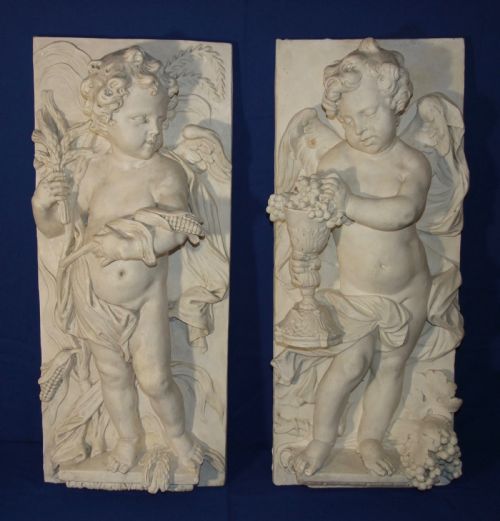


White Relief Plaque
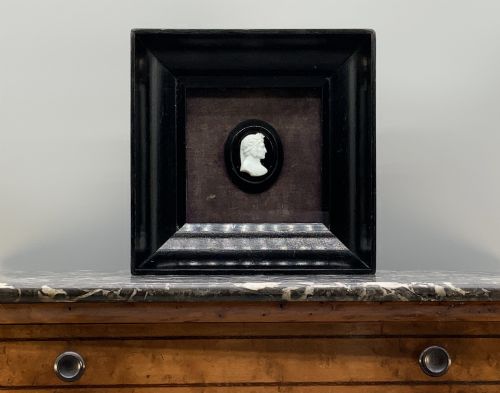
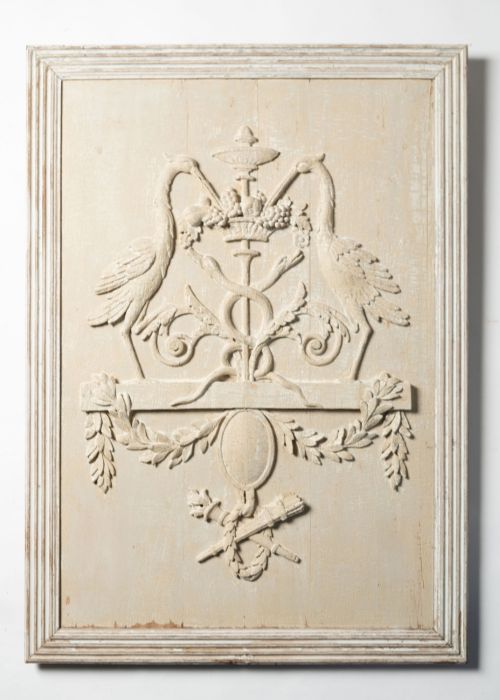
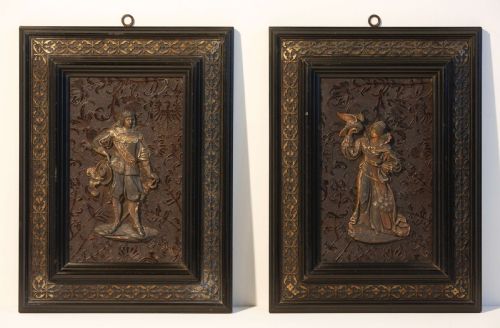
White relief plaque examples offer classical form and sculptural depth, satisfying collectors who seek tangible historical artistry for interior walls.
White Relief Plaque
A white relief plaque brings sculptural depth to wall art through carved figures and raised surfaces. When handling white relief plaque selections, you encounter varied forms including profile portraits, devotional scenes, and classical mythologies.
These items span periods from the eighteenth century through to the early twentieth century. Common materials include marble, plaster, porcelain, and carved ivory mounted for display.
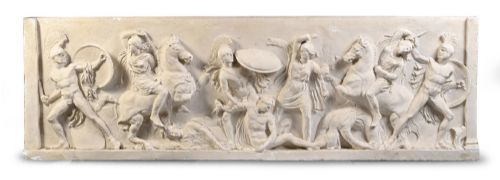
Victorian and neoclassical styles dominate the groupings, reflecting enduring interest in antique sculpture and grand tour souvenirs. Pieces range from small medallions to large wall friezes.
Materials and construction methods
Carving and casting form the primary techniques behind these works. Artisans shaped Italian and white marble using chisels for sharp detail, while others poured plaster or marble dust into moulds to create precise reliefs.
Ceramic works utilise porcelain and specialised pate-sur-pate techniques, building up white slip layers on a contrasting ground. Wood, ivory, and mother-of-pearl shell provide alternative carved surfaces found in specific pieces.
Neoclassical and Victorian classical revival styles appear frequently among the sculptural wall reliefs and medallions.
Distinctions in craftsmanship
The reputation of the workshop or sculptor adds distinction. Signed works by documented makers command closer attention than anonymous decorative pieces.
Wedgwood·Mintons·Thorvalsen Workshop·Kasper Hendrik Roskam
The White Relief Plaque Glossary
- Bas-relief
- A sculptural technique where the figures project only slightly from the background plane. This shallow depth creates a subtle interplay of light and shadow.
- Pate-sur-pate
- A ceramic method where wet white porcelain slip is painted onto a coloured body layer by layer. The technique builds translucent relief designs.
- Grand Tour
- Extended travel through Europe undertaken by nineteenth-century elites to collect classical art and antiquities. Plaques from this tradition often copy famous ancient sculptures.
- Tondo
- A circular work of art, either a painting or a sculpture. This format originates from Renaissance Italy.
White Relief Plaque: Frequently Asked Questions
How do I hang a heavy marble plaque?
Marble and stone reliefs require secure wall anchors matched to the weight of the specific piece. Professional picture hanging hooks screwed into wall studs provide the necessary support.
Avoid relying on simple plasterboard fixings for dense materials like marble or carved wood. Ensure the mounting wire or integrated hanging brackets are checked for structural integrity.
What is pate-sur-pate?
Pate-sur-pate translates as paste on paste, a ceramic process developed in the nineteenth century. Artisans paint successive layers of white slip onto a base body before firing.
This builds a cameo effect with varying degrees of translucency and detail. Minton pieces frequently demonstrate this skilled method.
Are plaster plaques fragile?
Plaster and gypsum items require careful handling to prevent chipping or surface abrasion. They suit stable indoor environments away from high humidity.
Dust them gently with a soft, dry brush rather than liquid cleaners. Historical plaster casts often bear minor surface marks that record their age.
How do I date a white relief plaque?
Dating relies on stylistic clues, material composition, and any maker marks on the reverse. Neoclassical subjects often point to the eighteenth or nineteenth century, while specific artist signatures give exact years.
Examine the backing materials, framing, and mounting hardware for additional clues regarding the manufacturing period.