


White Pottery Dog Figurine
When you search for white pottery dog figurine, you find charming ceramic mantel companions shaped as spaniels, poodles, and pugs.
White Pottery Dog Figurine
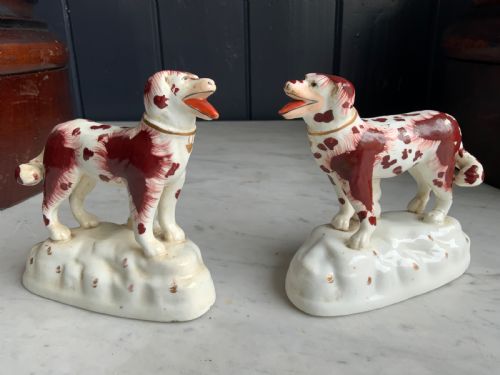
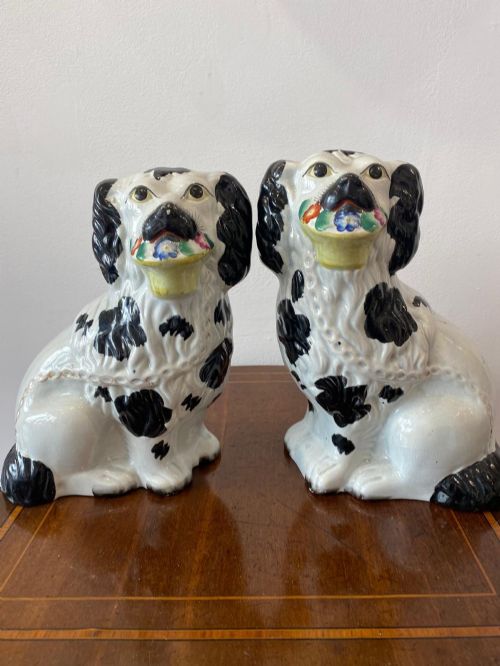
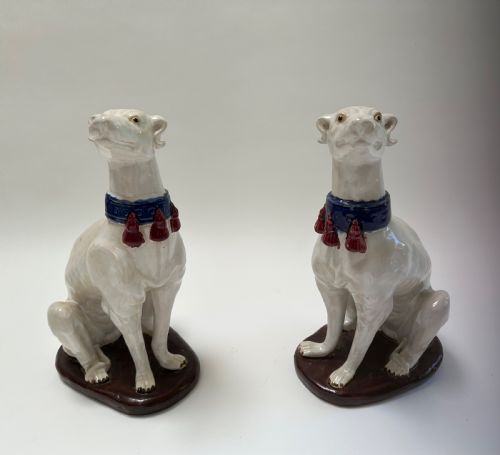
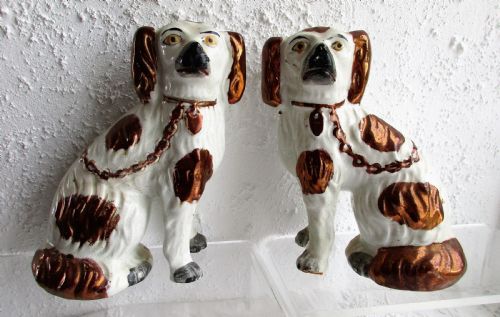
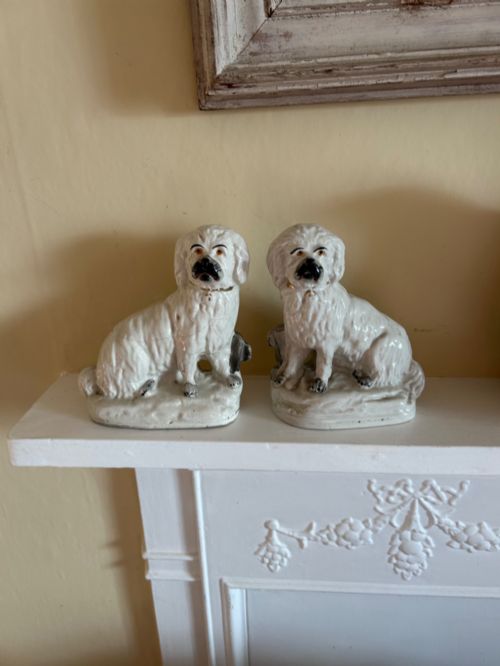
A white pottery dog figurine represents the classic mantelpiece companion, modelled as seated spaniels, poodles, greyhounds, and pugs. These ceramic figures populated Victorian parlours, frequently appearing in matched pairs to flank fireplace hearths.
The selections span the nineteenth century, including pieces from the Regency era through to the early twentieth century. Most examples originate from English potteries, specifically Staffordshire, alongside occasional Italian majolica interpretations.
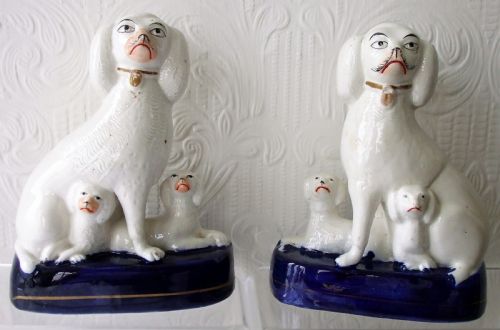
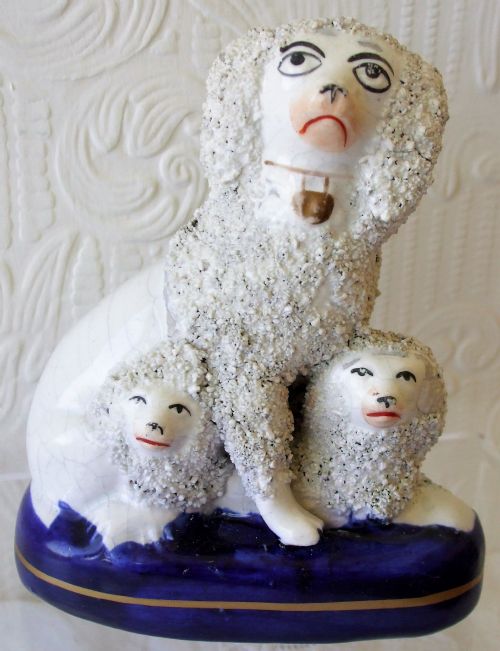
Buyers encounter single figures, pairs with accompanying puppies, and functional variations incorporating inkwells or quill holders. Their primary appeal lies in decorative display and the enduring charm of canine portraiture in ceramic.
How they were made
Glaze and enamel applications defined the exterior finish, creating smooth white surfaces complemented by painted details. Artisans applied gilt highlights and gold leaf to accent collars, chains, and facial expressions on select models.
Lead glaze treatments imparted a glossy sheen to the ceramic body, sealing the earthenware beneath a protective, reflective coat. Hand painting added individual character to eyes, snouts, and fur markings on each moulded canine.
Some spaniels wear padlocks on their collars to deter dognappers, a whimsical touch that survives in ceramic.
What varies in quality
The fidelity of the modelling determines the distinction between standard production pieces and superior works. Finely detailed facial expressions, distinct claw definition, and careful hand painting elevate the presence of individual figures.
Proportion and stance affect visual balance, particularly in matched pairs designed for mantel display. Heavier earthenware bodies and crisp, unblemished white glaze surfaces generally indicate careful potter's work from established workshops.
Thomas Parr·Enoch Wood factory
The White Pottery Dog Figurine Glossary
- Earthenware
- A porous pottery body fired at lower temperatures, requiring a glaze to achieve impermeability. It served as the primary material for nineteenth century figures.
- Lead glaze
- A glossy coating containing lead oxide that melts during firing to form a smooth, glass-like finish. This treatment protected the painted enamels beneath.
- Enamel
- Vitreous coloured paints applied over the fired glaze and fixed in a second, lower temperature kiln run. Enamels provided the red, black, and copper lustre details.
- Staffordshire
- The principal English ceramic manufacturing region responsible for the bulk of nineteenth century animal figures. Potters in this area specialised in popular mantel ornaments.
White Pottery Dog Figurine: Frequently Asked Questions
Where did these dogs sit?
These ceramic dogs traditionally occupied mantelpieces in nineteenth century homes, standing in matched pairs on either side of the fireplace hearth. Their symmetrical arrangement brought order and a cheerful domestic presence to the main living room.
Owners also placed them on side tables, chests of drawers, and window sills where the white glaze caught the natural light. They functioned purely as decorative ornaments rather than children's toys.
How do I spot a pair?
Paired figures were moulded to face one another, creating a mirrored composition designed for balanced display. Examining the posture and facing direction confirms whether two individual figures belong together as an original pair.
Slight variations in size and painting often occur due to hand finishing, but matching base dimensions and consistent clay bodies indicate a genuine matched set.
What are comforter spaniels?
Comforter spaniels represent the popular type of toy spaniel kept as lap dogs by Victorian nobility and middle class families alike. Staffordshire potters immortalised these affectionate pets in ceramic form for households that desired a similar companion without the upkeep.
These figures usually feature floppy ears, soulful eyes, and sometimes a gilded chain or padlock around the neck. They remain among the most recognizable representations of nineteenth century domestic life.
Did they have a purpose?
While most examples served exclusively as decorative mantel ornaments, certain variations incorporated practical elements into their design. Some figures doubled as inkwells for writing desks or featured small baskets intended to hold quills.
Dogs with puppies or associated ceramic accessories added an extra layer of narrative interest for Victorian buyers. These functional pieces combined everyday utility with the comforting presence of a household pet.