




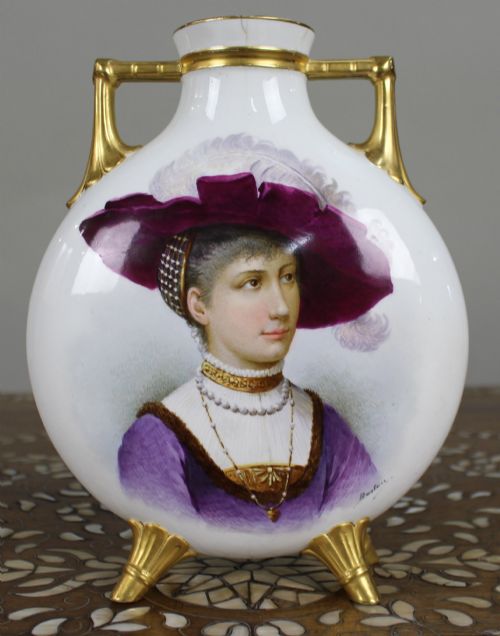
White Porcelain Vessel
When you search for a white porcelain vessel, you enter a tradition spanning centuries of ceramic mastery, from delicate Chinese Dehua wares to refined European kilns.
White Porcelain Vessel
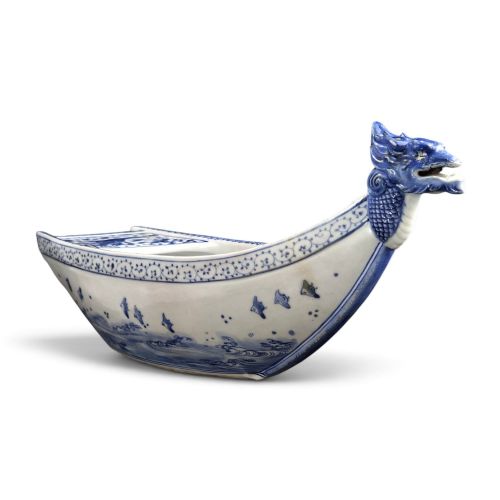
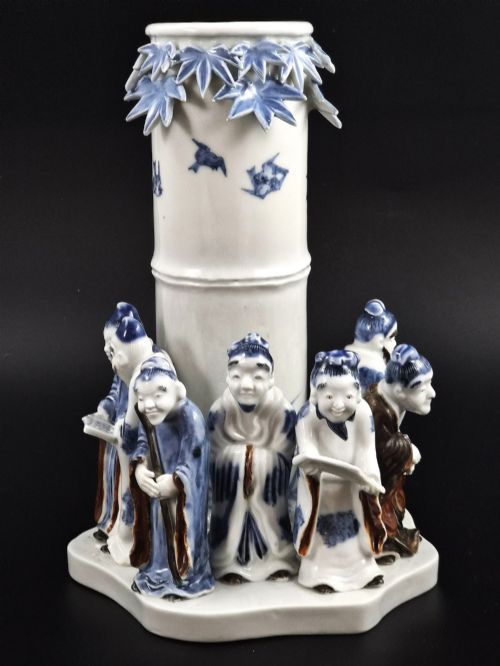
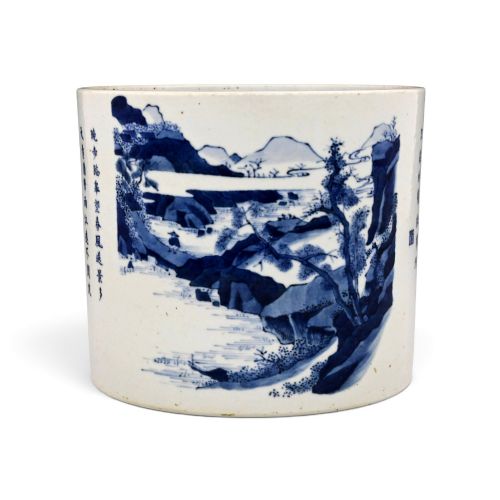
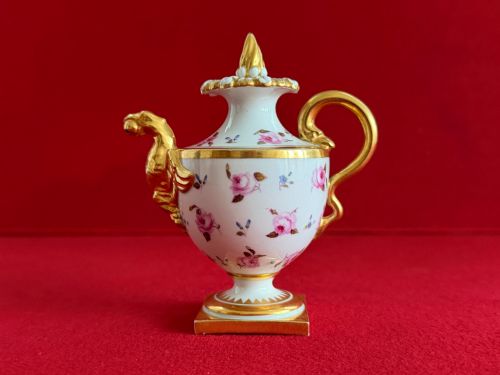
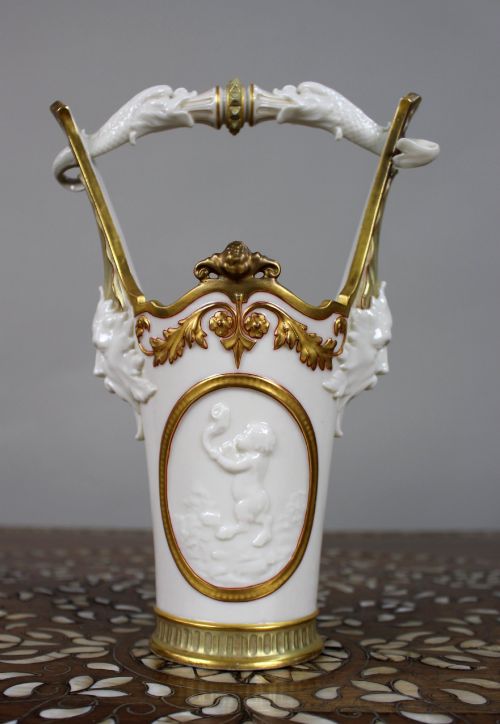
A white porcelain vessel encompasses forms designed for varied functions, including ritual censers, scholar's brush pots, pouring jugs, and decorative vases. These items arrive from diverse origins, bridging East Asian traditions like Chinese Qingbai and Blanc de Chine with European manufactories such as Worcester and Royal Worcester.
The objects on this page span several eras, predominantly featuring pieces from the 17th, 18th, and 19th centuries. Buyers encounter both utilitarian forms adapted for display and pure display pieces originating from imperial and domestic kilns alike.
Materials and technique
Potters achieved the signature translucent body by combining fine kaolin clay with petuntse, firing the mixture at exceptionally high temperatures to vitrify the ceramic material. Artisans applied clear or tinted glaze to the surface, creating a smooth, impervious finish.
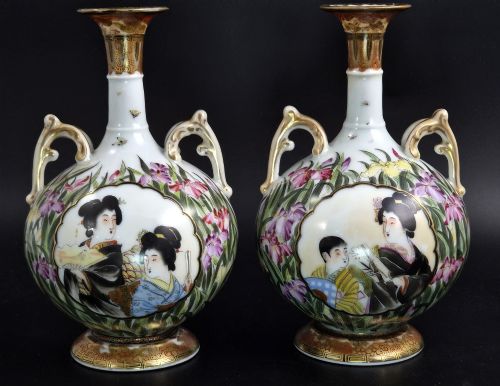
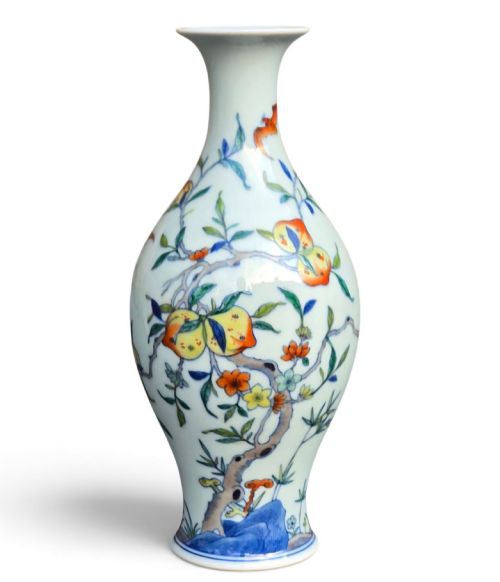
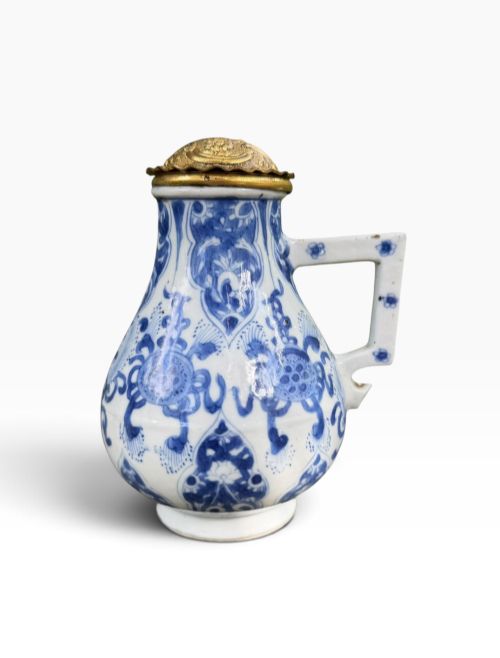
Decoration on these vessels often relied on underglaze pigments, notably cobalt blue, or hand-painted enamels and gold leaf applied over the glaze. Certain pieces, such as Blanc de Chine examples, derived their visual impact entirely from the purity of the body and moulded relief motifs rather than surface painting.
White Porcelain Vessel Retail Price Guide 2026
Typical asking prices for white porcelain vessel among the pieces listed under this phrase on Sellingantiques today, from the lower quarter to the upper quarter. They describe what is for sale here now, not the wider market.
Listings feature porcelain vessels spanning the seventeenth, eighteenth, and nineteenth centuries, alongside twentieth-century revival pieces.
Distinctions in quality
Quality reveals itself in the fineness of the potting and the consistency of the glaze, where master potters maintained an even thickness and controlled translucency across complex forms. The precision of hand-painted details, whether botanical motifs or figural scenes, separates standard commercial production from exceptional studio outputs.
Provenance and attribution elevate certain pieces, particularly those bearing recognised factory marks or documented historical periods. The crispness of moulded or incised relief work further indicates the skill of the maker and the condition of the original moulds.
Flight Barr And Barr·Royal Worcester·Bloor Derby·Chamberlain Worcester·Sitzendorf
The White Porcelain Vessel Glossary
- Blanc de Chine
- A white porcelain produced in Dehua, China, known for its rich milky glaze and delicate moulded decorations. The material gained high regard in European collections during the trade period.
- Underglaze
- A method of decorating pottery where pigments are applied directly to the unfired clay body before glazing and firing. This technique protects the design beneath a glassy protective layer.
- Meiping
- A traditional tall Chinese vase form featuring a narrow neck and broad shoulders, originally designed to hold plum branches. Potters used this classic silhouette across multiple dynasties.
- Censer
- A vessel utilised for burning incense during ritual or domestic activities, frequently supported by tripod feet. These objects appear in various ceramic traditions.
- Kaolin
- A fine white primary clay essential to the manufacture of true porcelain. Its high firing temperature allows for vitrification and translucency.
White Porcelain Vessel: Frequently Asked Questions
How are white porcelain vessels dated?
Dating relies on stylistic markers, potting characteristics, and factory marks or reign periods inscribed on the base. Comparing the glaze texture and decorative palette against known examples helps establish the era of manufacture.
Changes in raw materials and kiln technology over the centuries provide further clues for accurate attribution by specialists.
Were these vessels used daily?
Many items, such as teapots, jugs, and cup vessels, served functional roles in domestic dining and hospitality. Others, including brush pots and ritual censers, belonged to scholarly or ceremonial settings.
Over time, numerous functional pieces transitioned into display objects collected for their aesthetic merit.
How do I care for antique porcelain?
Cleaning requires gentle washing in warm water with mild soap, avoiding harsh abrasives or soaking pieces with exposed metallic gilding. Handling each vessel by its main body rather than delicate handles or rims prevents accidental damage.
Displaying pieces away from direct sunlight and temperature fluctuations preserves the integrity of the glaze and enamels.
What defines Blanc de Chine?
Blanc de Chine refers specifically to white porcelain created in the Dehua region of Fujian province in China. The ceramic body merges seamlessly with a transparent ivory or white glaze during high-temperature firing.
This ware is celebrated for sculptural figures and vessels adorned with subtle prunus blossoms or bamboo motifs.