


White Porcelain Vase Lamp
These white porcelain vase lamps combine centuries of ceramic artistry with practical illumination, offering collectors a striking way to anchor a room.
White Porcelain Vase Lamp
A white porcelain vase lamp brings historical ceramics into domestic interiors through the conversion of antique vessels into functional table lighting. When searching this phrase, a buyer encounters pieces originating from European manufactories and Asian export kilns alike, spanning multiple centuries of craftsmanship.
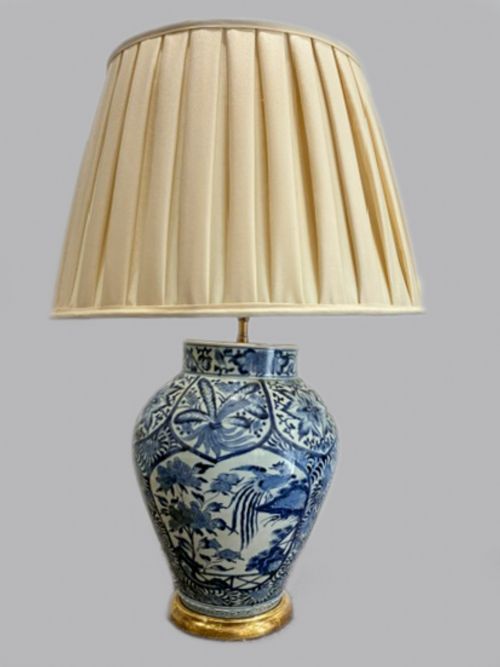
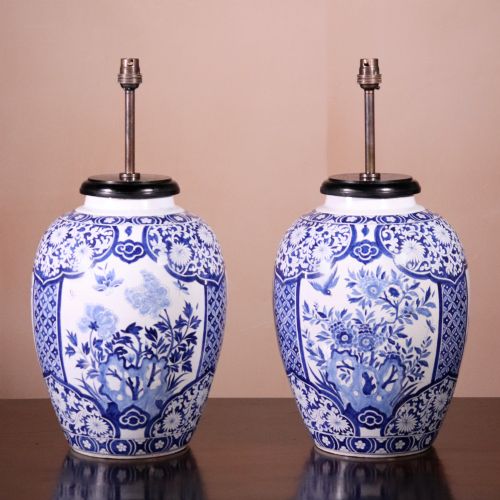
The most common examples on this page are nineteenth-century Chinese blue and white ginger jars or baluster vases fitted for electricity. Alongside these sit Japanese export pieces and European porcelain bodies, reflecting global trade routes and taste over hundreds of years.
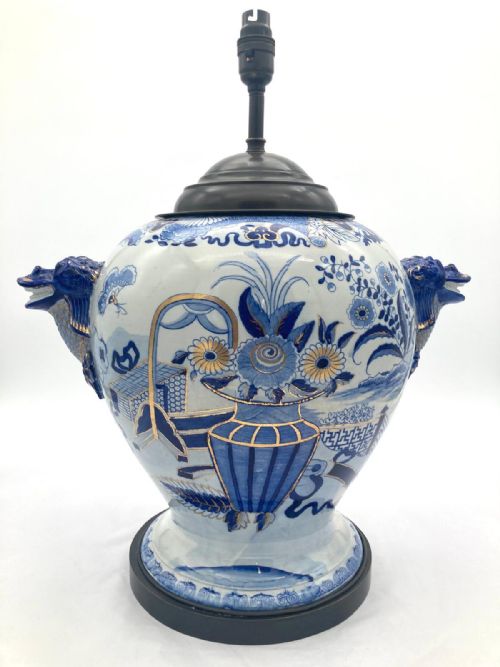
Many of these table lamps began life purely as decorative vessels before conversion, retaining their original glazes, crackleware finishes, or hand-painted motifs. Their forms range from simple cylindrical profiles to elaborate twin-handled jars mounted on bases.
Assessing quality and craftsmanship
Quality rests upon the crispness of the porcelain throwing, the refinement of the painted decoration, and the harmony of any metal mounts. Superior pieces display precise brushwork, balanced forms, and glazes free from distracting firing impurities.
The integration of the conversion matters significantly, as top-tier examples respect the structural integrity of the original vessel without causing damage to the ceramic body. Metalwork such as ormolu or brass fittings should complement the period style and weight of the vase.
Conversion often meant drilling carefully through centuries-old ginger jars, turning vessels once filled with spices into pedestals for reading light.
Hicks and Meigh·Samson·Meissen
The White Porcelain Vase Lamp Glossary
- Celadon
- A type of ceramic glaze originating in East Asia known for its jade-green or pale grey-green hue. It often covers a crackleware surface on traditional vessels.
- Famille Rose
- A palette of opaque enamel colours introduced in Chinese ceramics during the Qing dynasty. Pink enamel forms a defining characteristic of this decorative style.
- Imari
- A style of Japanese porcelain featuring underglaze blue and overglaze red, green, and gold. This ware was widely exported to Europe from the seventeenth century onward.
- Ormolu
- Finely detailed gilded bronze used for mounts and decorative hardware on furniture and ceramics. It gained popularity in French decorative arts during the eighteenth and nineteenth centuries.
- Baluster
- A tapering vase form with a rounded lower body and a narrower neck resembling an architectural column. This shape provides stability when converted into a table lamp.
White Porcelain Vase Lamp: Frequently Asked Questions
How do I choose the right size lamp?
Consider the scale of the furniture piece where the lamp will rest, balancing the height of the vase body and shade against surrounding proportions. Larger monumental pieces require substantial clearance and strong tables to anchor them safely in a room.
Measure the intended space carefully, keeping in mind that nineteenth-century jars and baluster shapes often carry considerable visual weight. A balanced pairing works best on wider sideboards or large console tables.
Are these lamps wired for modern use?
Most antique vase lamps have received modern electrical fittings to allow safe operation in contemporary homes. Dealers typically adapt the internal wiring while preserving the exterior ceramic body.
Buyers should inspect the specific listing details regarding plug types and electrical standards. Professional rewiring can easily be undertaken by a qualified electrician if local standards require updates.
How should I clean my vase lamp?
Dust the porcelain body and fabric shade gently with a soft, dry cloth to prevent the accumulation of dirt. Avoid harsh chemical cleaners or abrasive scouring pads that might damage antique glazes or hand-painted enamel decorations.
Take care around metal mounts such as brass or gilt bronze, using specialised gentle polishes only when necessary. Unplug the lamp entirely before undertaking any maintenance.
Can I change the lampshade?
Lampshades can be swapped to match your interior colour scheme, provided the fitter size and drop match the harp or gallery of the lamp. Fabric and silk shades are often replaced over time while retaining the core ceramic base.
Ensure the new shade proportions do not overwhelm the porcelain vase beneath. A general rule is that the shade width should roughly equal the height of the ceramic body.