



White Porcelain Teaware
White porcelain teaware brings together delicate vessels shaped across the eighteenth and nineteenth centuries for the service of tea.
White Porcelain Teaware
White porcelain teaware encompasses teapots, tea bowls, coffee cups, saucers, sugar bowls, and decorative dishes from the Georgian, Regency, and Victorian eras. These items served the polite ritual of tea drinking in domestic interiors.
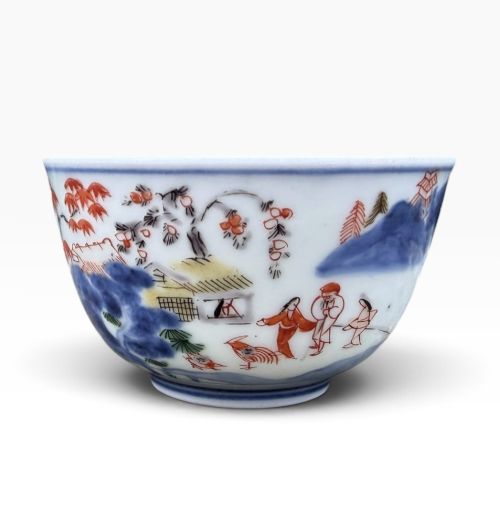
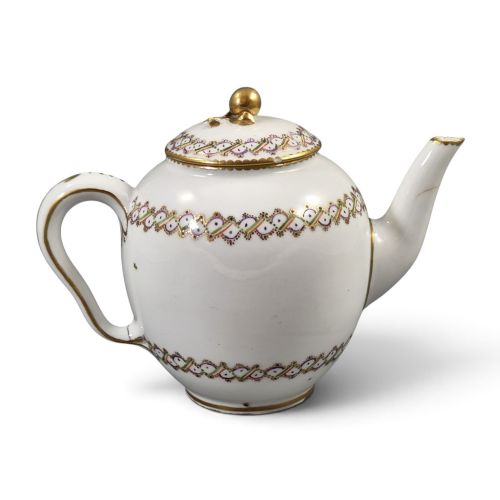
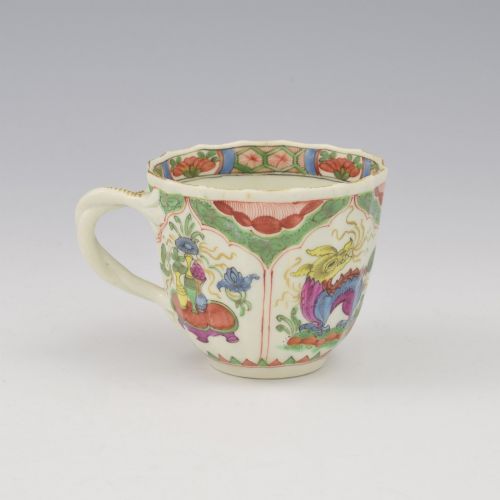
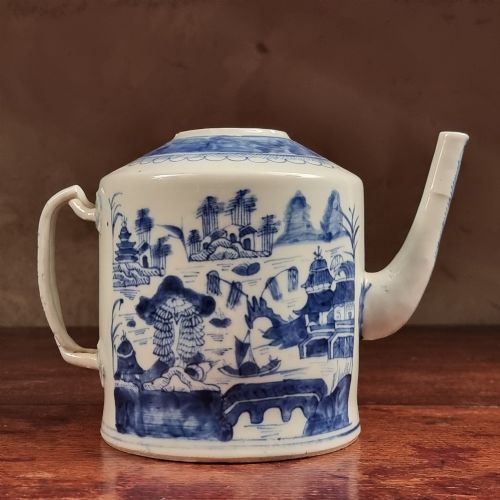
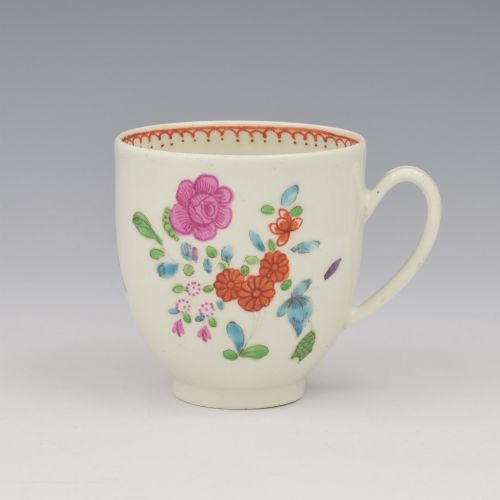
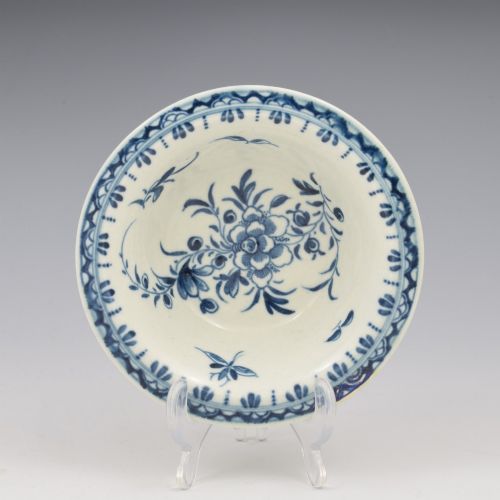
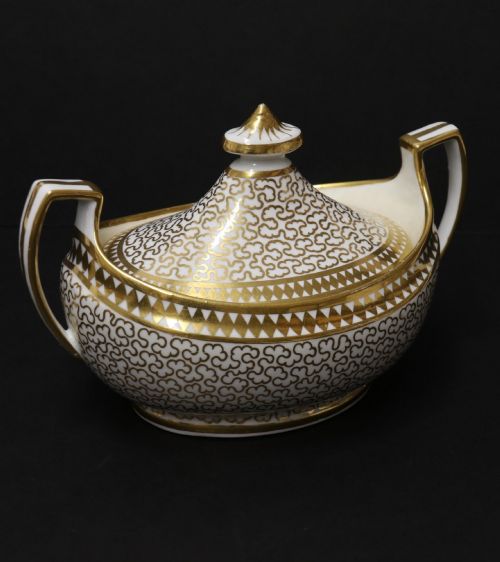
The pieces seen here bridge English factories like Worcester and Mintons with Chinese Export and continental workshops. Forms range from utilitarian teapots to delicate saucers decorated with cobalt blue, enamel, and gold leaf.
Buyers seeking white porcelain teaware most frequently encounter eighteenth-century English soft-paste porcelain and early nineteenth-century hard-paste ceramics. The selection demonstrates how domestic tea culture evolved across these shifting periods.
What varies in quality
Quality rests on the crispness of the porcelain body and the precision of the hand-painted decoration. Finer pieces display sharply rendered patterns such as the fence or cormorant design, whereas simpler wares show more rudimentary brushwork.
The integrity of the glaze and the delicacy of moulded forms, such as fluted surfaces or flower head knops, separate standard domestic items from exceptional cabinet pieces. Surviving lids, covers, and matching saucers elevate the completeness of a set.
White Porcelain Teaware Retail Price Guide 2026
Typical asking prices for white porcelain teaware among the pieces listed under this phrase on Sellingantiques today, from the lower quarter to the upper quarter. They describe what is for sale here now, not the wider market.
Some nineteenth-century teapots arrived bearing pattern names like crazy cow or bengal tiger to charm buyers.
Dr Wall Worcester·Royal Sèvres·Chamberlains Worcester·Mintons
The White Porcelain Teaware Glossary
- Soft-paste Porcelain
- An artificial porcelain composition fired at lower temperatures than true hard-paste porcelain. It produces a warm creamy tone beneath the glaze.
- Cobalt Underglaze
- A blue pigment applied to the ceramic body before glazing and firing. It sinks into the glaze to create a permanent, durable decoration.
- Sucrier
- A covered sugar bowl designed to match tea services. These vessels formed an essential component of formal tea sets.
- Tea Bowl
- A handleless cup used for drinking tea during the eighteenth century. They predate standard handled tea cups in European dining culture.
- Enamel
- Opaque glass-like colours fused to the fired porcelain surface over the glaze. It permits bright polychrome decoration on white ceramic bodies.
White Porcelain Teaware: Frequently Asked Questions
What is white porcelain teaware?
White porcelain teaware comprises ceramic vessels used for preparing and consuming tea and coffee, including teapots, cups, saucers, and sugar bowls.
These objects date primarily from the eighteenth and nineteenth centuries, originating from English potteries, European factories, and Asian export markets.
How do I care for antique teaware?
Antique teaware requires gentle hand washing in lukewarm water with mild soap. Avoid soaking pieces with delicate enamels or gold leaf.
Display or store them away from direct sunlight and temperature extremes to protect the glaze and body from stress.
Can I use these teapots?
While these teapots were made for functional use, their age and fragile soft-paste bodies make them better suited for display.
Thermal shock from boiling water can crack antique ceramic materials that have weakened over centuries.
How do I identify eighteenth century pieces?
Eighteenth-century items often feature soft-paste porcelain bodies, underglaze blue crescent marks, or hand-painted Chinoiserie and floral motifs characteristic of early factories.
Weight, glaze pooling, and potting thickness provide further clues to distinguish these early wares from later nineteenth-century production.