





White Porcelain Tankard
White porcelain tankard pieces are ceramic drinking vessels valued for their painted scenes and domestic history, offering tactile connection to past centuries.
White Porcelain Tankard
A white porcelain tankard brings together cylindrical drinking vessels and handled mugs produced across the eighteenth and nineteenth centuries. These items appear in domestic forms ranging from large barrel-shaped drinking vessels to traditional porter mugs and loving cups.
The pieces on this page span the Georgian, Regency, and Victorian eras alongside Chinese export wares from the Qianlong period and Qing Dynasty. English factories such as Derby, Worcester, and Lowestoft sit alongside Chinese export porcelain created for Western markets.
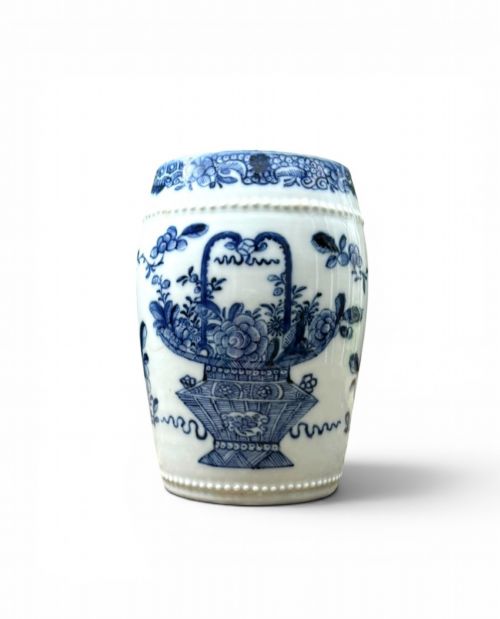
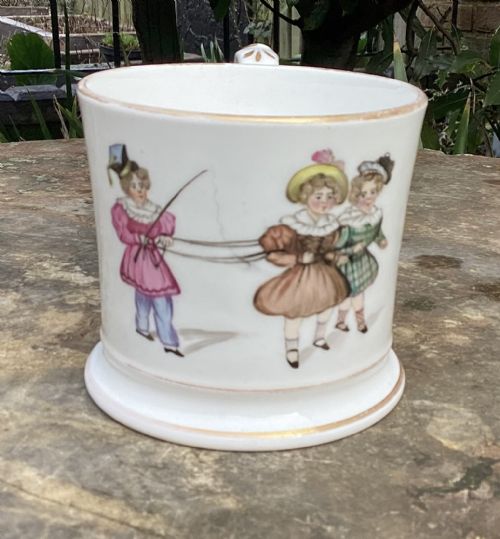
Buyers meet both British factory production and Chinese export porcelain featuring chinoiserie motifs, topographical views, and hand-painted polychrome decoration. The common thread uniting these objects is their white ceramic body, which serves as a canvas for enamel, gold leaf, and cobalt underglaze.
Materials and methods of manufacture
Potters shaped these vessels using porcelain clay bodies, sometimes supplemented by earthenware, fired to achieve a dense white ceramic ground. This white base received glazes to seal the surface before artisans applied painted or gilded decoration.
Decoration relied heavily on cobalt underglaze applied before the final firing, as well as overglaze enamels and gold leaf added in subsequent stages. Factories utilised hand-painting techniques to execute intricate landscapes, figures, and floral scenes directly onto the glazed surface.
White Porcelain Tankard Retail Price Guide 2026
Typical asking prices for white porcelain tankard among the pieces listed under this phrase on Sellingantiques today, from the lower quarter to the upper quarter. They describe what is for sale here now, not the wider market.
One cheerful loving cup stands ready for nineteenth-century toasts, having survived generations without losing its handle.
Distinctions in quality and execution
The sophistication of the hand-painted decoration largely distinguishes the standard of execution across these vessels. Precise brushwork depicting detailed topographical scenes or complex chinoiserie compositions indicates superior artisan skill.
The clarity of the white porcelain body and the stability of the glaze also separate workshop output. Superior pieces maintain crisp contours in both the ceramic moulding and the applied enamel colours without blurring or pooling.
Derby Porcelain·Lowestoft Porcelain
The White Porcelain Tankard Glossary
- Chinoiserie
- European artistic interpretation of Chinese and East Asian artistic traditions, frequently seen on eighteenth-century porcelain. This style dominated painted domestic wares during the Georgian period.
- Polychrome
- Decoration utilising multiple distinct enamel colours on a ceramic ground. This technique allowed makers to produce vibrant pictorial scenes across the body of the vessel.
- Underglaze
- Pigment applied to the ceramic body before the application of a vitreous glaze and subsequent firing. Cobalt was the primary mineral used for this durable blue decoration.
- Porter Mug
- A large drinking vessel designed for heavy malt liquors during the Georgian and Regency eras. These mugs frequently featured sturdy handles and generous capacities.
- Export Porcelain
- Ceramics manufactured in China specifically for overseas markets in Europe and the West. These shipments often incorporated Western armorials or popular European design motifs.
White Porcelain Tankard: Frequently Asked Questions
What is a white porcelain tankard?
A white porcelain tankard is a ceramic drinking vessel produced in European and Asian kilns during the eighteenth and nineteenth centuries.
These pieces served as functional tableware and display items, often decorated with hand-painted scenes, gilt accents, or cobalt blue.
How were these tankards used?
These vessels were utilised in domestic settings for consuming ale, porter, and other malt beverages during social meals or gatherings.
Larger examples, such as loving cups and porter mugs, functioned as communal drinking vessels or decorative sideboard displays.
How do I live with white porcelain?
Living with these ceramics involves displaying them securely on stable surfaces away from heavy foot traffic to protect fragile handles and rims.
Hand washing in tepid water with mild soap preserves the delicate overglaze enamels and gold leaf from chemical degradation.
How do I tell periods apart?
Distinguishing periods relies on observing the stylistic indicators of the painted decoration, factory marks, and ceramic body composition.
Georgian and Qianlong pieces often exhibit distinct hand-painted chinoiserie or topographical motifs, while later nineteenth-century examples display Victorian aesthetic conventions.