


White Porcelain Milk Jug
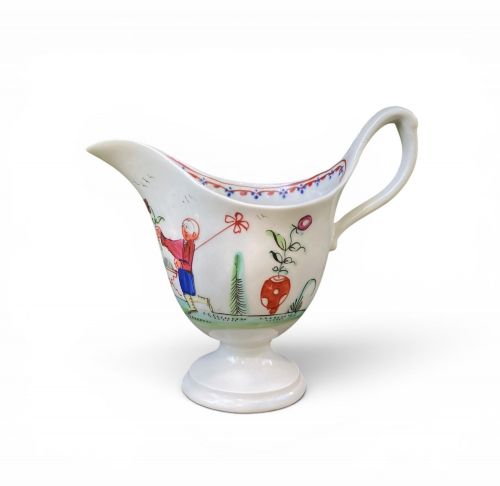
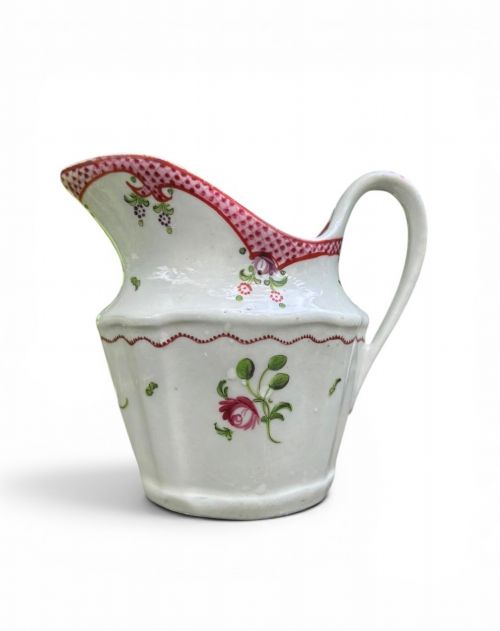
A white porcelain milk jug is a small table vessel for serving cream or milk, prized for its delicate form and painted decoration.
White Porcelain Milk Jug
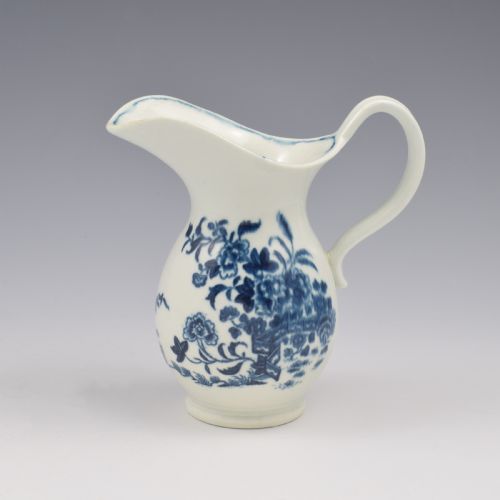
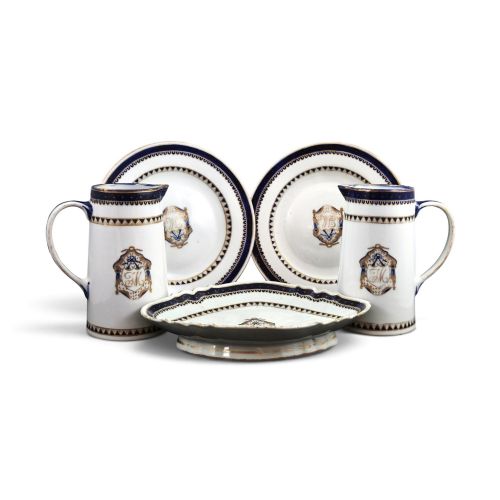
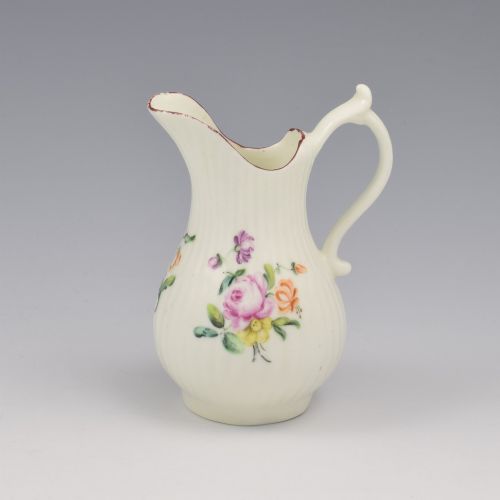
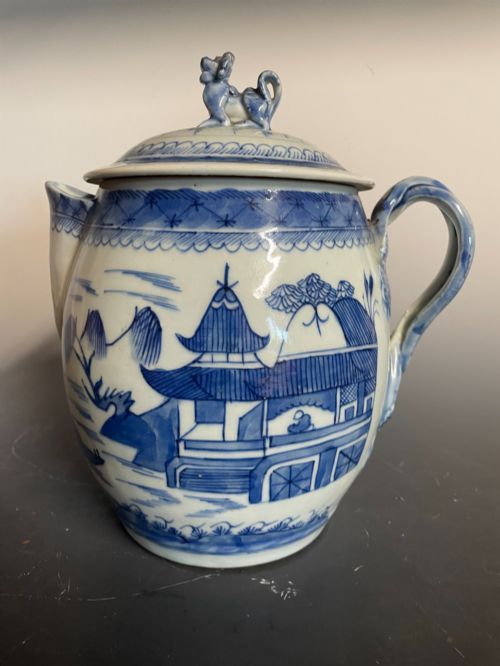
The white porcelain milk jug appears in several distinct forms across the eighteenth and nineteenth centuries, including sparrow beak creamers, baluster jugs, and ewers. These pieces originate from major English and continental factories such as Worcester, Derby, New Hall, and Meissen, alongside Chinese Export wares.
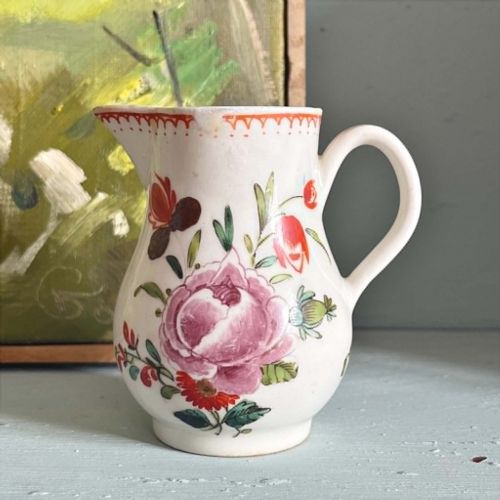
The eighteenth-century examples lean towards intimate sparrow beak profiles and fluted baluster bodies, often decorated with polychrome flowers or underglaze blue patterns. Later nineteenth-century items bring gadrooned edges, floral panels, and enriched gilding from makers like Rockingham and H & R Daniel.
Most pieces on this page date from the Georgian and Regency periods, reflecting a time when porcelain creamers became essential elements of domestic tea service. Forms range from simple clip-handled jugs to elaborate mask jugs and dolphin ewers.
Materials and manufacture
Potters constructed these jugs using soft-paste porcelain or hard-paste porcelain, shaping them either by throwing on a wheel or by moulding complex forms such as ewers and mask jugs. Cobalt underglaze was applied before firing to create durable blue patterns beneath the glossy glaze.
Painters then added enamel colours by hand, sometimes incorporating gold leaf and detailed gilding that required a subsequent low-temperature kiln firing to fix the metals to the glazed surface.
Assessing quality
Quality rests upon the crispness of the porcelain body and the refinement of the moulding, particularly on relief elements such as mask spouts or dolphin handles. Early soft-paste pieces show a characteristic translucency and warmth in the glaze.
The distinction between ordinary production and finer work lies in the execution of the handpainted decoration, where precise brushwork in polychrome enamels or cobalt underglaze elevates the piece.
New Hall·Meissen·H & R Daniel·Rockingham·Derby
The White Porcelain Milk Jug Glossary
- Sparrow beak
- A small cream jug featuring a narrow, pointed spout resembling a bird's beak. This profile is frequently seen on eighteenth-century English porcelain.
- Soft-paste porcelain
- An artificial porcelain composition fired at lower temperatures than hard paste. It produces a slightly creamy body and a distinctive glaze texture.
- Gadrooning
- A decorative carved or moulded ornamental banding consisting of convex curves. It appears frequently on the rims and feet of Regency porcelain tableware.
- Cobalt underglaze
- A blue metallic oxide pigment applied to the unfired porcelain body beneath the glaze. It withstands high firing temperatures without losing colour.
- Baluster
- An architectural term applied to a jug body that swells towards the lower part and tapers upward. This profile provides stability and balance to small creamers.
White Porcelain Milk Jug: Frequently Asked Questions
How do I date an old porcelain milk jug?
Dating relies on identifying paste types, factory marks, and stylistic indicators such as rococo moulding or neoclassical shapes. Examining the glaze and footrim provides further clues about the manufacturing period.
Eighty-century pieces often utilise soft-paste porcelain with handpainted blue or polychrome enamels, whereas later nineteenth-century examples introduce heavier gilding and moulded gadrooning.
What is a sparrow beak creamer?
A sparrow beak creamer is an eighteenth-century miniature jug characterised by a diminutive, pointed lip used for pouring cream into tea. These vessels typically feature looped handles and delicate floral or blue-and-white patterns.
English factories like Worcester, Bow, and Liverpool produced these small jugs extensively during the seventeen-sixties and seventeen-seventies.
Can I use these antique jugs for daily service?
While these jugs were originally made for domestic table use, their age and fragile porcelain composition make modern daily service risky. Hairlines, enamel wear, and delicate spouts require careful handling.
Most collectors prefer to display these pieces or reserve them for occasional gentle use rather than putting them through regular dishwasher cycles or heavy daily routines.
What is the difference between soft-paste and hard-paste porcelain?
Soft-paste porcelain contains glass frit and white clay, fired at a lower temperature to produce a warm body and a soft glaze that readily absorbs enamels. Hard-paste porcelain uses kaolin and petuntse, requiring higher kiln temperatures for a vitrified, glassy body.
Eighteenth-century English factories predominantly worked in soft-paste, while continental makers like Meissen and Chinese exporters utilised hard-paste.