


White Porcelain Floral Vases
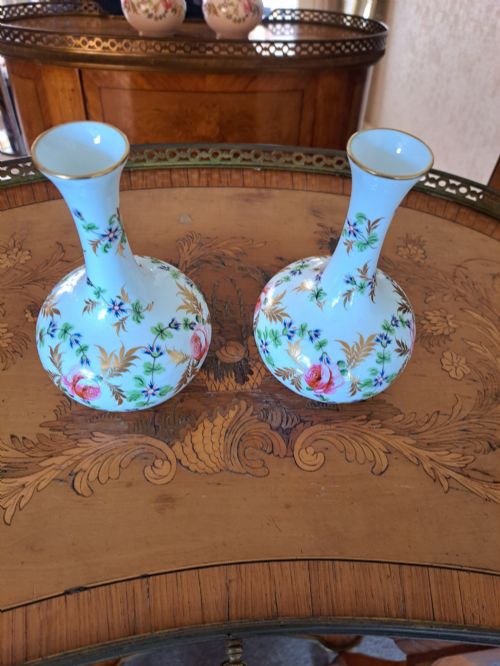
White porcelain floral vases bring hand-painted blooms and classic ceramic forms into a room, offering both decorative presence and historical depth.
White Porcelain Floral Vases
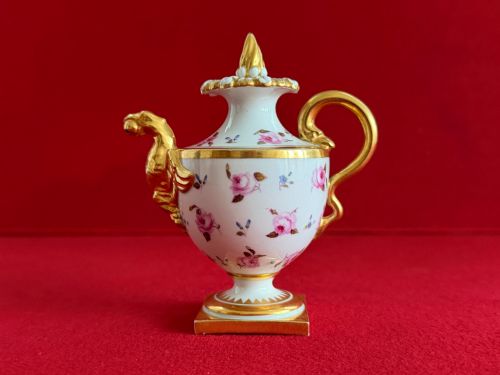
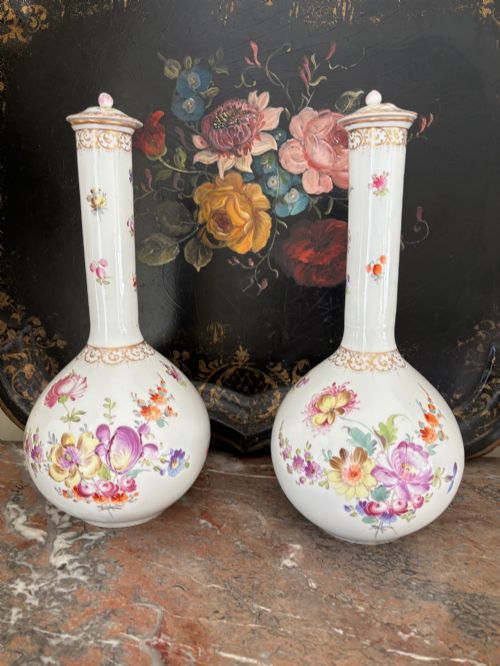
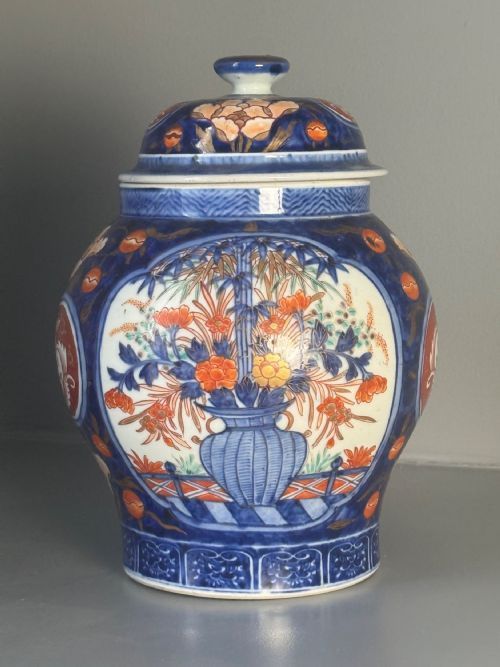
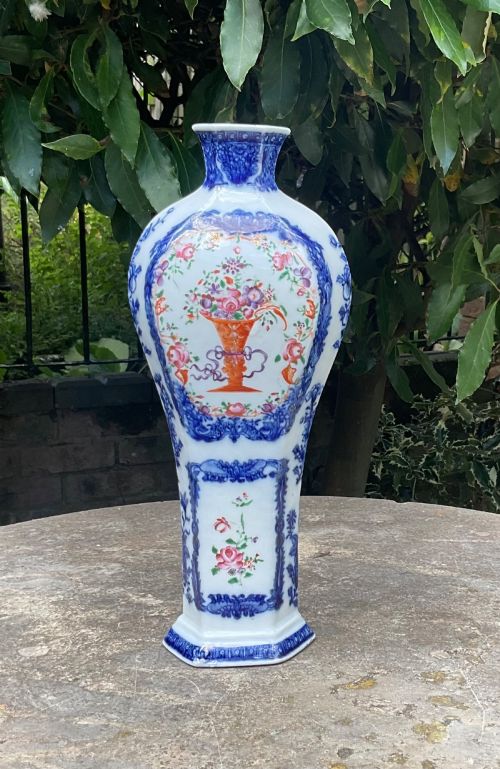
White porcelain floral vases encompass various ceramic vessels created to display flowers or stand alone as ornamental pieces. When exploring white porcelain floral vases, collectors encounter examples spanning the eighteenth, nineteenth, and early twentieth centuries from European and Asian kilns.
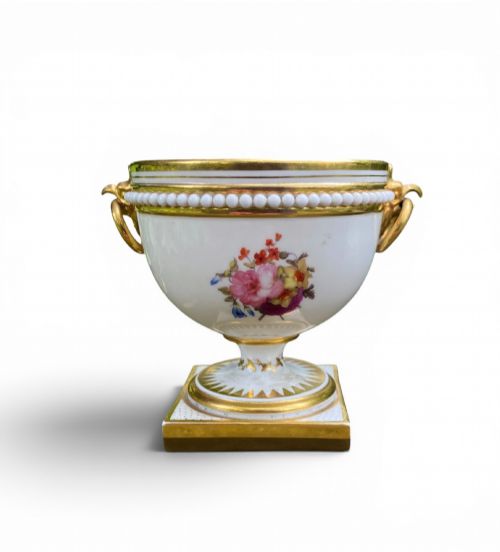
Many items incorporate gilt bronze mounts, enamel highlights, or structural piercing. These decorative vessels reflect shifts from Regency classicism through Victorian revivalism to Edwardian taste.
Materials and Techniques
Potters shaped fine clay bodies, applying white glazes to create smooth grounds suitable for detailed painting. Artisans then executed botanical motifs by hand, often adding raised enamel and gilding before secondary firing.
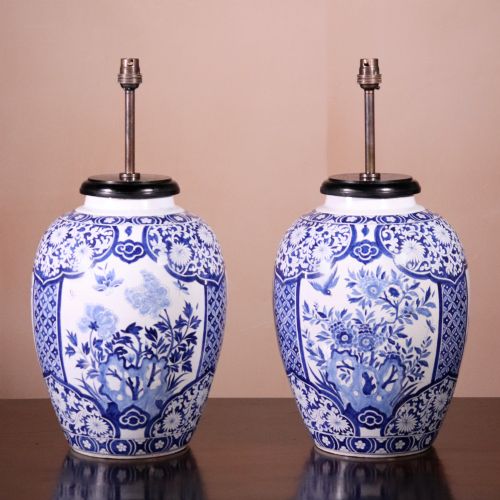
Certain pieces integrate metalwork, combining porcelain bodies with brass or gilt bronze mounts for structural definition. Ironstone and earthenware alternatives also appear alongside true hard-paste and soft-paste porcelain.
Listings span the eighteenth to twentieth centuries, featuring porcelain, enamel, gold leaf, and brass across Victorian, Regency, and Chinoiserie styles.
Distinctions in Quality
Quality rests upon the precision of the hand-painted decoration and the crispness of the porcelain moulding. Finer examples display delicate brushwork in floral details and controlled application of gold leaf or enamel.
The weight of the body, the symmetry of the form, and the retention of original covers or mounts distinguish superior studio production from standard commercial output. Well-preserved gilding and crisp factory marks further elevate a piece.
Flight Barr and Barr·Sitzendorf·Samson of Paris·Meissen·Royal Crown Derby·Moorcroft Macintyre
The White Porcelain Floral Vases Glossary
- Campana
- An urn-shaped vessel resembling an inverted bell, frequently mounted on a square plinth. This classical form was widely adopted by nineteenth-century European porcelain manufacturers.
- Baluster
- A vase form with a rounded lower body that tapers towards a narrow neck and flared rim. The silhouette mimics architectural balusters popular in classical design.
- Gilding
- The application of gold leaf or powdered gold onto the ceramic surface for decorative accent. It highlights handles, rims, and painted borders.
- Enamel
- Vitrified glass paste applied over the glaze and fired to create raised coloured details. White enamel often provides tactile depth to floral petals.
- Garniture
- A matched set of three or more ornamental vases designed to be displayed together on a mantelpiece or sideboard. These matching sets unified interior decorative schemes in period homes.
White Porcelain Floral Vases: Frequently Asked Questions
How do I date an antique porcelain vase?
Dating relies on identifying factory marks, stylistic traits, and manufacturing techniques recorded on the base or body. Pigments, glaze characteristics, and potting weights also help narrow the period.
Comparison with documented examples from specific kilns provides a reliable timeframe for each ceramic piece.
Were these vases meant for cut flowers?
Many period vessels served primarily as decorative garnitures or mantel ornaments rather than water-holding flower containers. Some fragile antique pieces lack waterproof glazing or possess delicate painted interiors unsuited for daily moisture.
Using inner glass liners protects historical surfaces if holding fresh stems.
How should I clean porcelain vases?
Dusting with a soft, dry brush preserves delicate enamel and gilt highlights without risking abrasion. Avoid chemical cleaners or immersion in water, particularly for pieces with cold-painted decoration or metal mounts.
Gentle wiping with a damp cloth suffices for glazed exterior surfaces.
What is the difference between porcelain and ironstone?
Porcelain is a vitrified ceramic fired at high temperatures, resulting in a dense, translucent body. Ironstone is a heavy earthenware developed to mimic porcelain while offering greater durability.
Ironstone pieces generally show opaque bodies with thick white glazes.