




Antique Floral Porcelain Bottles
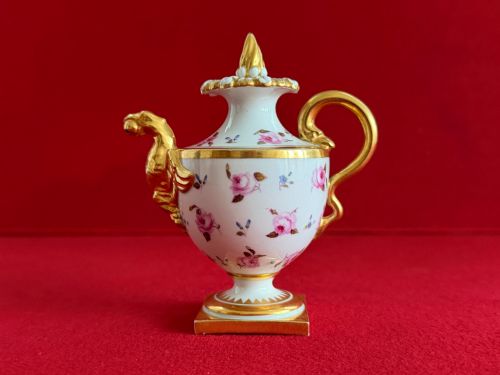
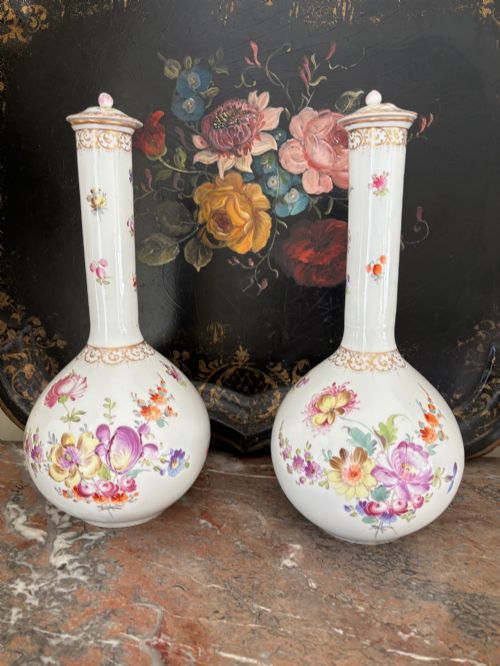
These antique floral porcelain bottles combine delicate painted blooms with ceramic forms, offering both decorative charm and a connection to 19th-century craftsmanship.
Antique Floral Porcelain Bottles
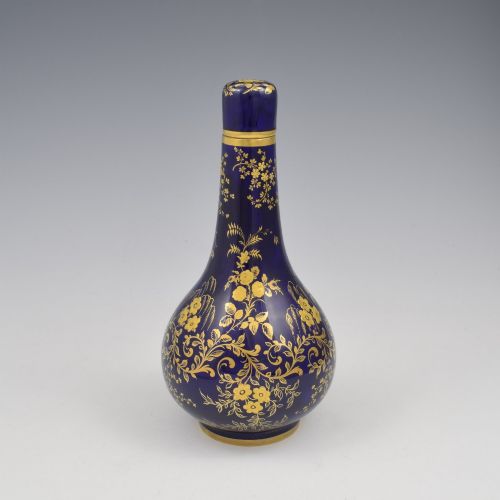
When searching for antique floral porcelain bottles, buyers encounter a diverse selection of vessels shaped for display and personal use. These items range from miniature scent bottles and rose water sprinklers to larger bottle vases and garniture sets.
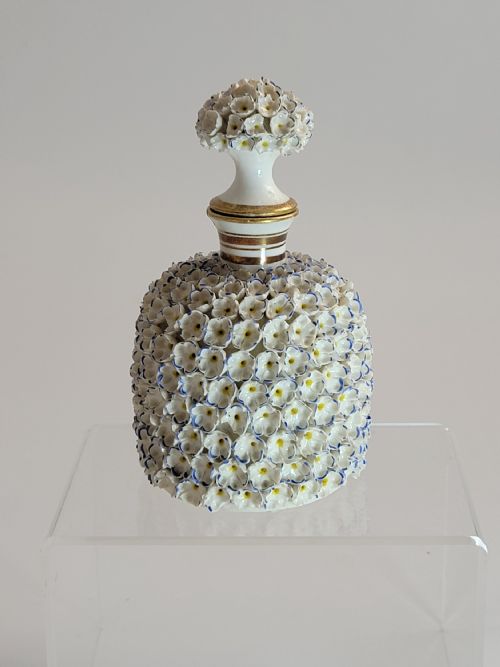
The pieces on this page span several periods, including Regency, Victorian, and Edwardian eras, alongside Japanese export wares. Forms vary from slender neck vases to bulbous covered vessels adorned with painted and encrusted flowers.
How they were made
The makers shaped these objects from porcelain, applying glazes and hand-painted floral decoration to the ceramic surface. Many examples incorporate cobalt blue underglaze, enamel pigments, and applied gold leaf or gilding.
Certain pieces feature intricate flower encrustations, where modeled ceramic blooms are attached to the body before firing. Others utilise Japanese Imari palettes or Chinoiserie and Sèvres-inspired motifs.
Listings feature porcelain vessels incorporating materials such as gold leaf, cobalt, and silver plate across the Regency to Edwardian periods.
What varies in quality
Quality in these ceramics depends upon the precision of the hand painting and the crispness of the porcelain moulding. Finer examples display meticulous brushwork in the floral details and careful application of gilding.
The reputation of the manufactory and the complexity of the form also influence the standing of a piece within the range. Well-preserved enamel colours and intact encrusted flowers elevate the character of the vessel.
Flight Barr And Barr·Sitzendorf·Derby Porcelain·Crown Staffordshire·Royal Worcester·Minton
The Antique Floral Porcelain Bottles Glossary
- Gilding
- The application of gold leaf or gold paint to the surface of the porcelain. This technique highlights rims, handles, and decorative motifs.
- Imari
- A style of Japanese export porcelain characterised by a palette of cobalt blue, iron red, and gold. These designs often feature floral and panel patterns.
- Sprinkler
- A specialised bottle with a narrow neck designed for dispensing rose water or perfume. Regency examples often use this functional form.
- Garniture
- A set of matching vases or vessels designed to be displayed together on a mantelpiece or sideboard. They typically comprise three or more matching pieces.
Antique Floral Porcelain Bottles: Frequently Asked Questions
What were antique porcelain bottles used for?
Many of these vessels served as containers for perfumes, scented waters, or rose water used in domestic interiors. Others functioned purely as decorative ornaments within garniture sets on mantelpieces.
The smaller scented and miniature bottles were often kept on dressing tables for personal grooming. Larger bottle vases were displayed in reception rooms to showcase painted floral decoration.
How do I identify a Regency period bottle?
Regency pieces often display specific factory marks and refined classical proportions characteristic of the early nineteenth century. Forms like rose water sprinklers appear frequently in this period.
Examining the paste, gilding style, and any recorded maker attribution helps confirm the date. Comparing the decorative motifs to documented patterns provides further context.
What is Japanese Imari porcelain?
Japanese Imari refers to wares produced for export, notable for their distinct colour palette of cobalt blue and iron red, frequently accented with gold. These pieces arrived in Europe through trade networks.
Makers in the West often drew inspiration from these Japanese export designs during the nineteenth century. The floral and geometric compositions remain distinct markers of the style.
How should I display porcelain bottles at home?
These ceramic vessels suit placement on stable shelves, mantels, or inside glass-fronted cabinets where they are protected from accidental knocks. Keeping them away from direct sunlight helps preserve the enamel colours.
Grouping garniture sets together maintains the visual balance intended by their original design. Individual bottles can stand alone as focal points on a tabletop.