


White Ceramic Covered Vases
White ceramic covered vases combine utility and display, offering closed vessels fashioned from porcelain and earthenware across multiple historical periods.
White Ceramic Covered Vases
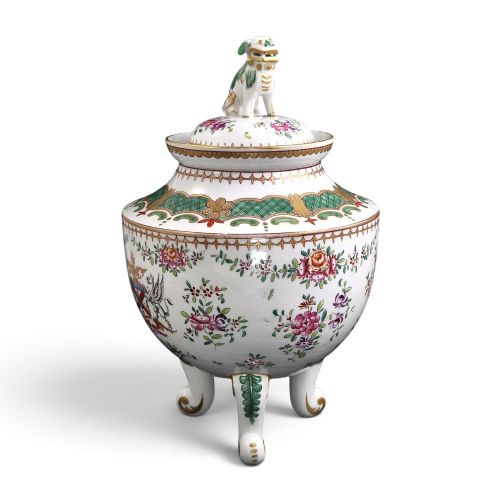
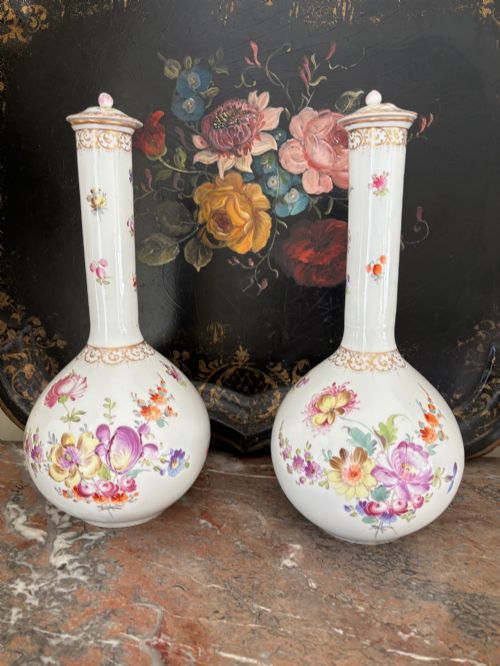
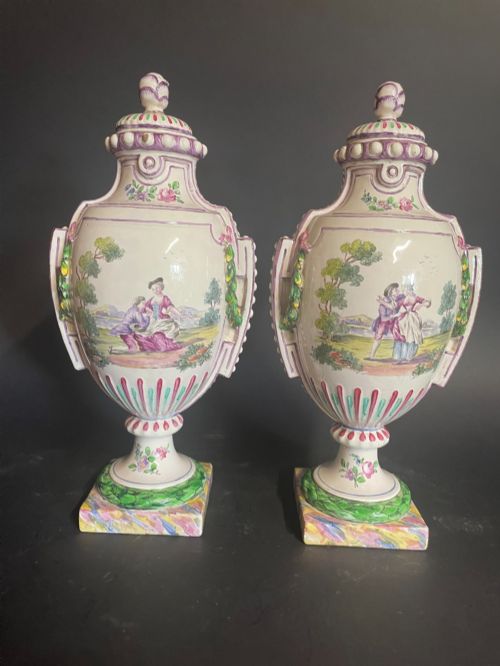
White ceramic covered vases encompass a broad selection of lidded vessels designed for display and containment, frequently appearing as matched pairs. Buyers searching for white ceramic covered vases encounter forms ranging from large monumental urns to smaller bulbous ginger jars and potpourri containers.
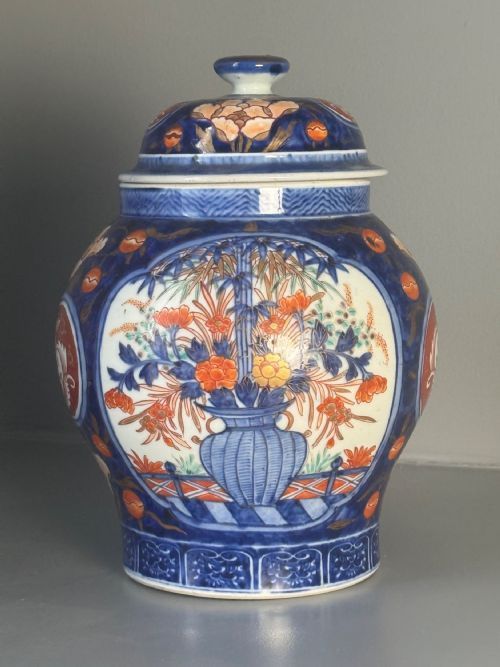
The inventory on this page spans several centuries of production, drawing heavily from nineteenth-century European factories alongside earlier Chinese export wares and Japanese Arita pieces. Tin-glazed earthenwares like Delft and faience sit alongside fine hard-paste porcelain from continental and English kilns.
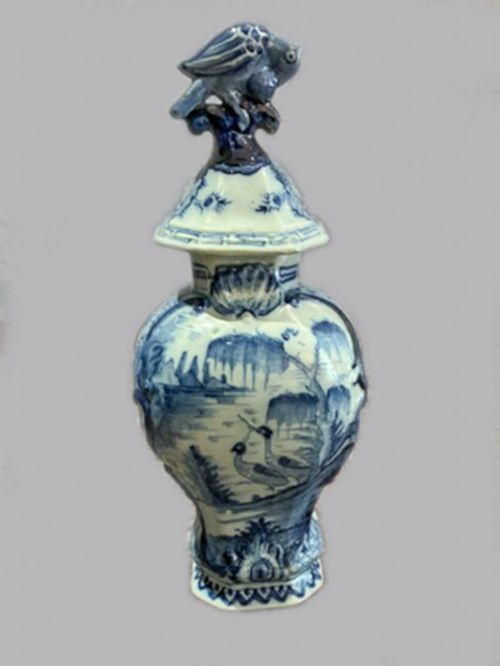
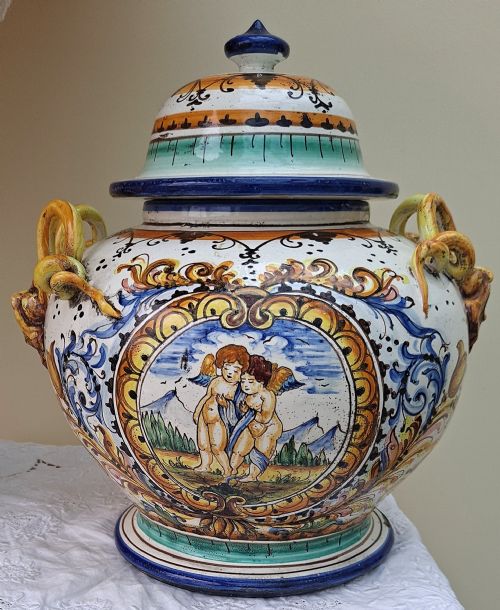
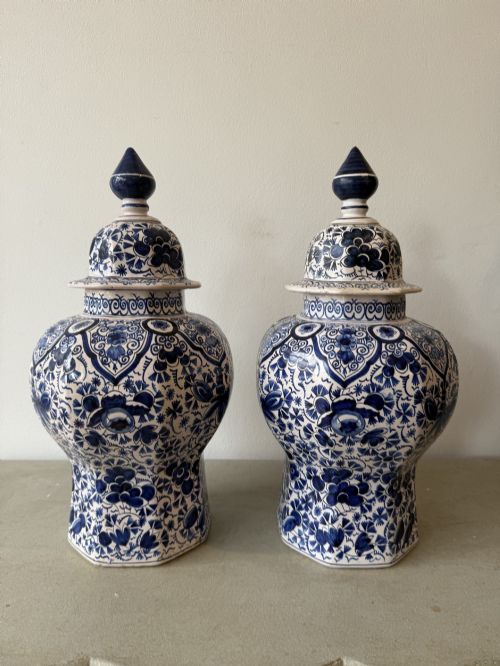
Vessels take various structural shapes, including ovid bodies, tall baluster profiles, and faceted jars fitted with matching lids. Many examples utilise traditional blue and white painting or hand-painted polychrome floral decoration over a white ground.
Assessing Quality and Execution
Quality rests in the crispness of the potting and the fineness of the ceramic body, where thinner, more translucent porcelain indicates superior manufacturing standards. Painted decoration dictates the upper tier of the market, distinguishing factory-standard output from master-painted panels executed by named artists.
The survival of the original matching lid significantly influences the desirability of any piece, as many lids suffer replacement or breakage over centuries of handling. Potter's marks and factory ciphers stamped or painted to the base provide definitive evidence of origin and attribution.
Listings feature eighteenth-century Dutch Delftware alongside nineteenth-century English ironstone and continental porcelain.
Sitzendorf·Spode·Meissen·Mason's·Royal Worcester
The White Ceramic Covered Vases Glossary
- Tin-Glazed Earthenware
- Pottery coated with an opaque white tin oxide glaze that accepts painted colours directly onto the unfired surface. This technique defines traditional wares from Delft and various European faience centres.
- Potpourri
- A jar or vase featuring a pierced lid designed to diffuse scent from dried flower petals and spices into a room. These vessels frequently incorporate elaborate gilt-bronze mounts or intricate porcelain pierced work.
- Imari
- A Japanese export style characterised by underglaze blue, iron red, and gold highlights, which heavily influenced European factories during the eighteenth and nineteenth centuries.
- Ironstone
- A heavy, durable type of earthenware patented in the nineteenth century to imitate true porcelain while offering greater resistance to chipping.
- Baluster
- A vase shape featuring a bulbous lower portion that tapers towards a narrow neck, resembling an architectural column support.
White Ceramic Covered Vases: Frequently Asked Questions
How do I spot a replacement lid?
Examine the glaze pooling and the fit at the collar, noting whether the white tone matches the body beneath.
Differences in painting style or crazing patterns between the base and the cover often indicate a marriage of convenience from a later date.
Were these vessels used for flowers?
Most covered vases served primarily as decorative garnitures for mantelpieces and sideboards rather than functional vessels for fresh water.
Types featuring pierced lids or internal compartments were specifically designated for potpourri or dry aromatics.
How do I date Chinese export porcelain?
Look closely at the cobalt shade, potting weight, and base finish to distinguish Kangxi period originals from later nineteenth-century revival pieces.
Stylistic adherence to earlier reign marks requires careful cross-referencing with the paste quality and footrim construction.
What is the difference between Delft and faience?
Both terms describe tin-glazed earthenware, with Delft traditionally denoting Dutch production and faience referring to French and Italian workshops.
While the underlying ceramic chemistry remains similar, local painting palettes and glaze opacities help separate the regional outputs.