



White Porcelain Compote
A white porcelain compote brings sculptural elegance to a table, offering raised bowls and urns shaped by nineteenth-century kilns.
White Porcelain Compote
When searching for a white porcelain compote, a buyer encounters raised vessels designed for display, fruit, or floral arrangements. These pieces include pedestal bowls, comports, and elaborate centrepieces originating across the nineteenth century.
Makers and factories represented include Spode, Swansea, Mason's, Minton, Samson, and C.G. Schierholz & Sohn of Plaue. Buyers will frequently meet pedestal bowls, baskets, and two-handled urns shaped in white ceramic.
Materials and production methods
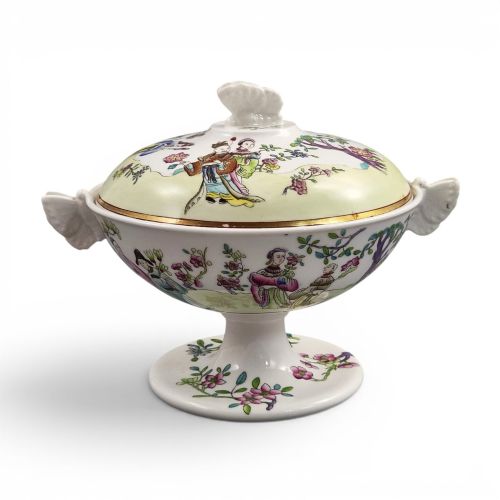
Potters utilised fine ceramic bodies, including felspar porcelain and ironstone, shaped into pedestals, bowls, and baskets. Glaze finishes provide a smooth surface, often enhanced with enamel colours and hand-painted Chinoiserie patterns.
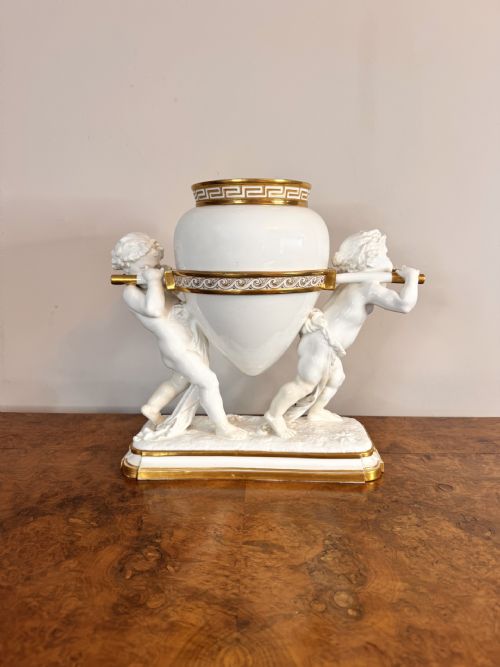
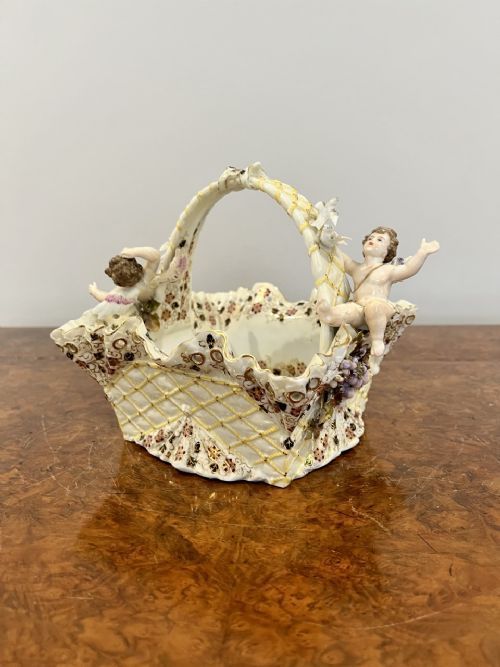
Gilding and gold leaf highlight handles, rims, and moulded details, while gilt bronze mounts appear on specific continental works. Artisans applied delicate elements like putti, cherubs, and roses by hand before firing.
White Porcelain Compote Retail Price Guide 2026
Typical asking prices for white porcelain compote among the pieces listed under this phrase on Sellingantiques today, from the lower quarter to the upper quarter. They describe what is for sale here now, not the wider market.
Object forms include handled urns, lattice baskets, musical putti centrepieces, and footed fruit bowls.
Assessing craftsmanship and finish
Quality rests in the crispness of the modelling, particularly on figurative elements such as cherubs, putti, and applied floral clusters. Finer examples display precise hand-painting, clean gilding, and well-balanced proportions on pedestal bases.
Simpler vessels rely on form and glaze quality, while elaborate centrepieces depend on the intricacy of lattice work and the skill involved in assembling multiple applied components.
Spode·Swansea·Minton·Samson·C.G. Schierholz & Sohn
The White Porcelain Compote Glossary
- Compote
- A raised vessel with a stem and foot, used historically for serving fruit or sweets. These items function primarily as decorative centrepieces today.
- Felspar porcelain
- An innovative ceramic body developed in the nineteenth century, incorporating felspar to improve durability and translucency.
- Putti
- Depictions of chubby male infants, frequently winged, used as sculptural supports or decorative motifs on nineteenth-century centrepieces.
- Gilding
- The application of gold leaf or gold paint to ceramic surfaces, highlighting handles, rims, and moulded details.
- Chinoiserie
- European artistic styles reflecting Chinese motifs and landscapes, seen on early nineteenth-century porcelain patterns.
White Porcelain Compote: Frequently Asked Questions
What is a white porcelain compote used for?
Historically, these footed vessels held fruit, sweetmeats, or floral displays at formal dining tables. Today, they serve primarily as decorative centrepieces or standalone display objects.
Their elevated forms draw the eye upward, making them suitable for sideboards, mantelpieces, and dining tables alike.
How do I identify a Victorian centrepiece?
Victorian examples often feature elaborate modelling, including applied roses, musical putti, and cherub supports. Look for rich gilding and substantial pedestal bowls characteristic of the nineteenth century.
English and continental potteries produced these pieces in varied styles, including Rococo Revival and Neoclassical interpretations.
What is felspar porcelain?
Felspar porcelain is a refined ceramic material introduced during the nineteenth century. It incorporates felspar into the paste to increase strength and whiteness.
Factory records from makers like Spode note its use for durable pedestal bowls and covered vessels.
How should I clean my compote?
Dust these decorative items gently with a soft brush to protect delicate applied flowers and gold leaf. Avoid harsh chemical cleaners that can degrade antique gilding and enamel.
Hand wash only with lukewarm water and mild soap if washing is necessary, ensuring the piece dries completely.