

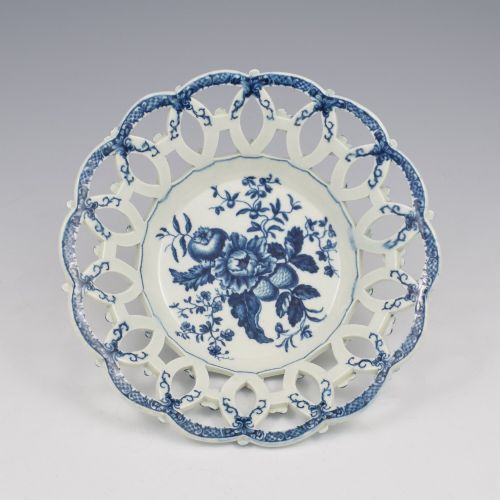


White Porcelain Centrepiece Dish
A white porcelain centrepiece dish brings sculptural presence and period elegance to a table, uniting fine ceramics with intricate modelling.
White Porcelain Centrepiece Dish
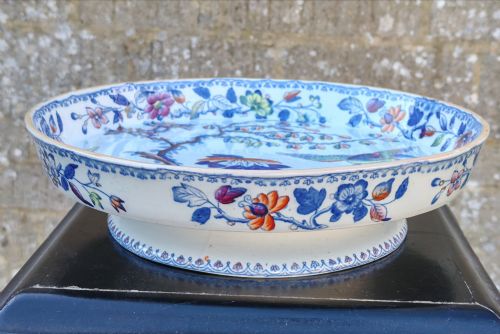
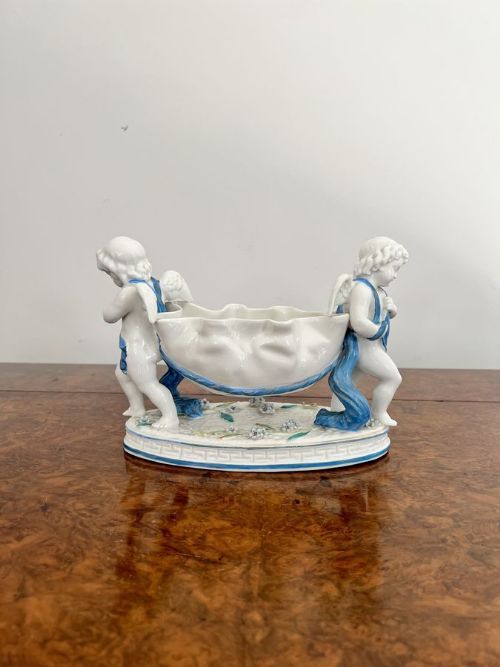
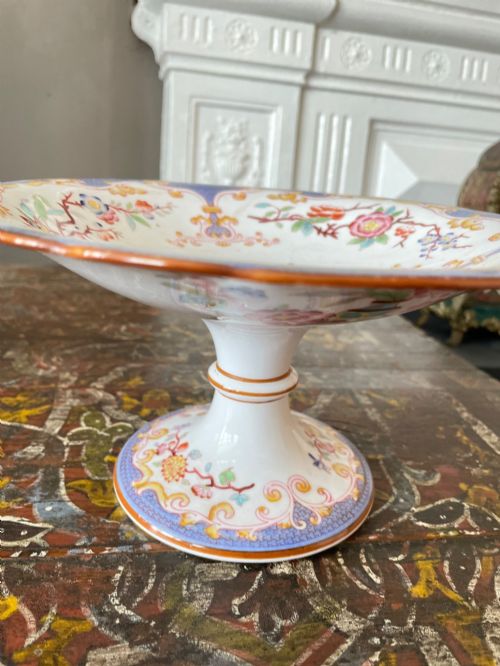
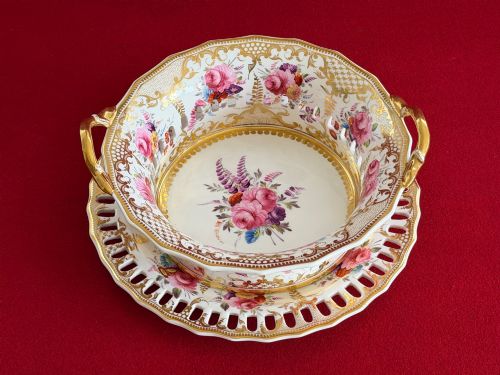
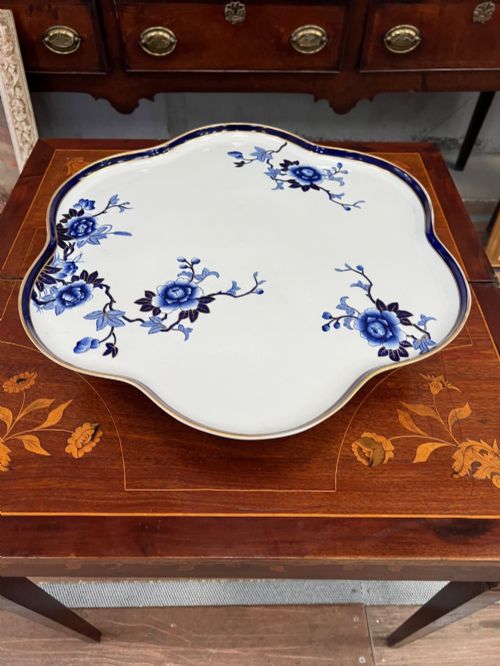
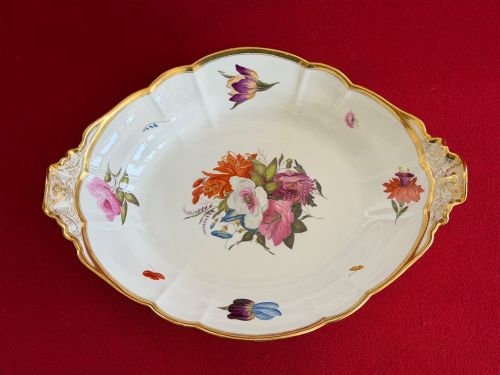
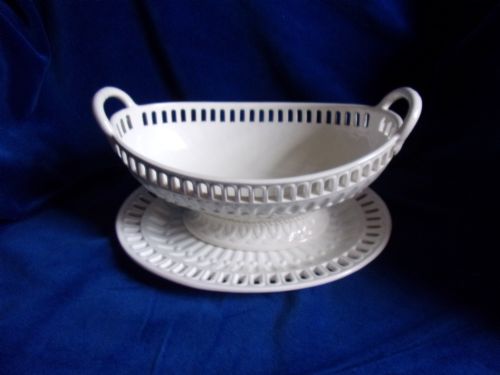
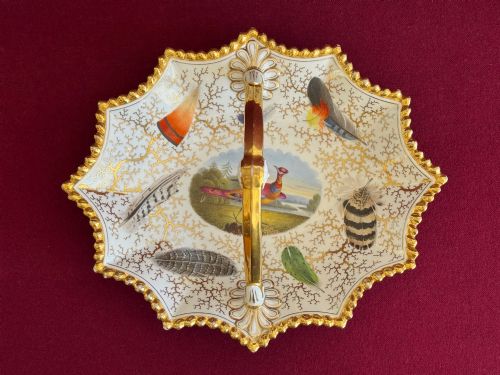
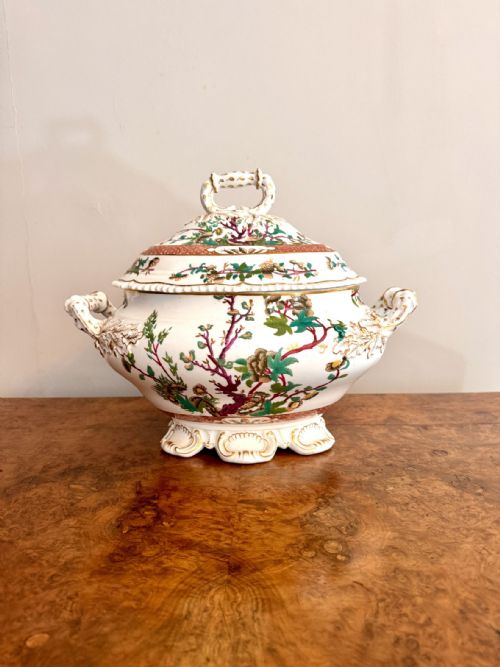
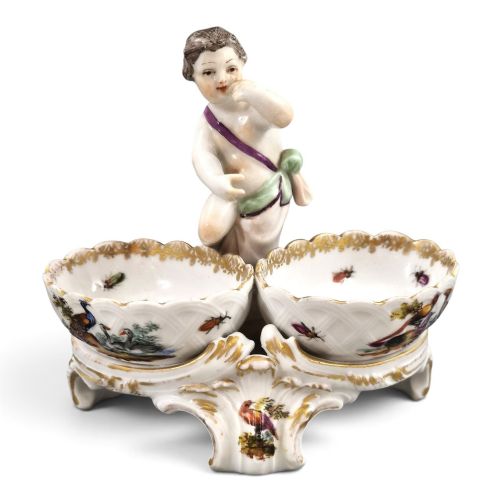
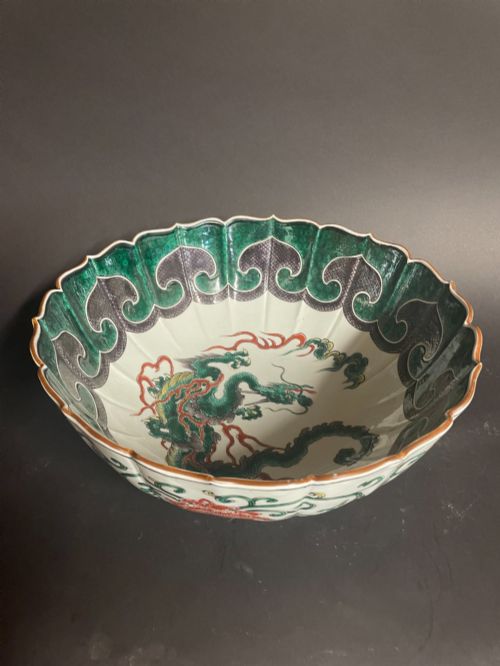
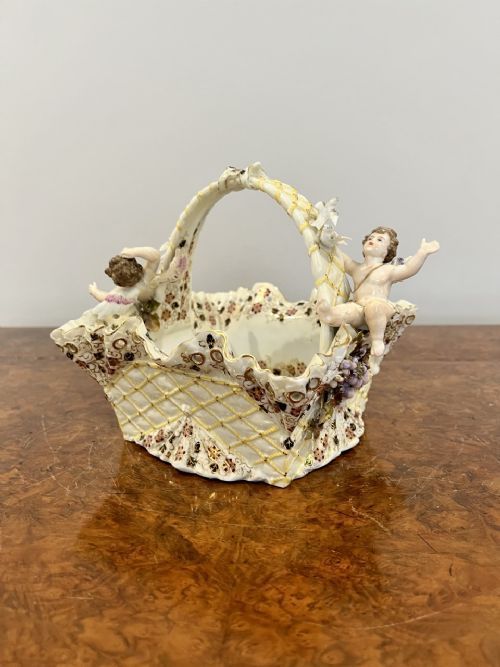
A white porcelain centrepiece dish takes many forms across the inventory, appearing as baskets, comports, tureens, and figural bowls designed for display or service. These items span periods from the eighteenth century through the Victorian era and the Edwardian period, originating from English, continental European, and Asian workshops.
The selection ranges from simple blue and white fruit bowls to elaborate figural compositions decorated with cherubs, putti, and applied roses. Buyers encounter functional serving vessels alongside purely decorative sweetmeat dishes and open-work baskets.
The material presentation varies from crisp hard-paste porcelain to creamy earthenware and parian ware, reflecting the distinct output of factories such as Meissen, Worcester, and various continental kilns.
How they were made
Makers utilised high-firing porcelain and creamware bodies, often shaping the clay into pierced baskets, fluted bowls, or complex figural groups. Hand-painted details, cobalt underglaze, and enamel pigments added colour to the white surfaces.
White Porcelain Centrepiece Dish Retail Price Guide 2026
Typical asking prices for white porcelain centrepiece dish among the pieces listed under this phrase on Sellingantiques today, from the lower quarter to the upper quarter. They describe what is for sale here now, not the wider market.
Object forms include pierced baskets, comports, soup tureens, and figural salt cellars decorated with cobalt underglaze and gold leaf.
What varies in quality
The weight, clarity of the porcelain body, and complexity of the figural composition determine the overall distinction of a centrepiece or dish.
Flight Barr and Barr·KPM Berlin·Doulton Burslem·Schierholz Plaue
The White Porcelain Centrepiece Dish Glossary
- Comport
- A raised dish or bowl used for serving fruit or sweetmeats at the table. These vessels typically stand upon a central pedestal or foot.
- Sweetmeat dish
- A small vessel designed for holding confectioneries, nuts, or dried fruits. They often feature figural supports or ornate naturalistic modelling.
- Parian ware
- A fine-grained, unglazed porcelain resembling marble, developed in the nineteenth century. This material suited sculptural groups and figural centrepieces.
- Hard-paste porcelain
- A durable ceramic composition fired at very high temperatures, prized for its bright white body and resistance to scratching. European factories adopted this formula to rival Asian imports.
- Cobalt underglaze
- A blue pigment applied to the ceramic body before glazing and firing, creating a permanent design beneath the glossy surface.
White Porcelain Centrepiece Dish: Frequently Asked Questions
What is a porcelain centrepiece dish used for?
These vessels originally served fruit, sweetmeats, or sauces at formal dining tables, acting as the focal point of a table setting. Today, they function primarily as decorative centrepieces or display bowls in a room.
Buyers often place them on sideboards, dining tables, or mantelpieces to showcase their sculptural form and hand-painted details.
How do I date an antique porcelain dish?
Dating relies on identifying factory marks, stylistic traits, and manufacturing techniques such as the type of glaze or paste used. Eighteenth-century pieces often display distinct underglaze blue marks and softer potting.
Victorian and Edwardian items frequently incorporate bolder polychrome enamels, applied flowers, or figural supports like cherubs and putti.
Are these dishes suitable for daily use?
Most antique pieces function best as decorative objects due to delicate applied elements like flowers, gilt highlights, and intricate pierced work. Handling them with care preserves the fragile porcelain details.
Gentle dusting maintains their appearance without risking damage to the hand-painted enamels or historical glaze.
What distinguishes Meissen porcelain?
Meissen items originate from the pioneering European hard-paste factory established in Germany during the eighteenth century, renowned for crisp modelling and fine painting. Their pieces often feature crossed swords marks and sophisticated figural groups.
Collectors prize them for their historical importance and exceptional sculptural quality within the ceramic arts.