
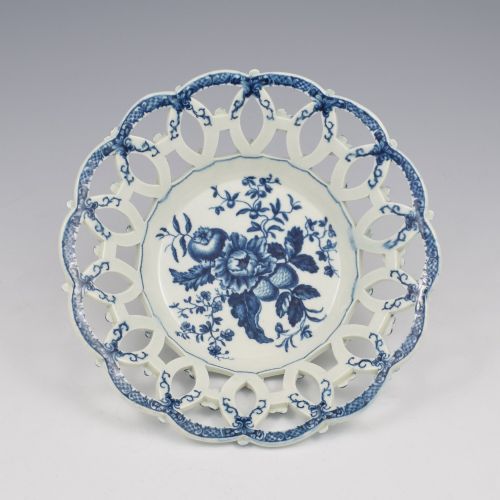


White Porcelain Centerpiece
A white porcelain centerpiece brings sculptural presence to a table, combining utilitarian form with intricate modelled detail.
White Porcelain Centerpiece
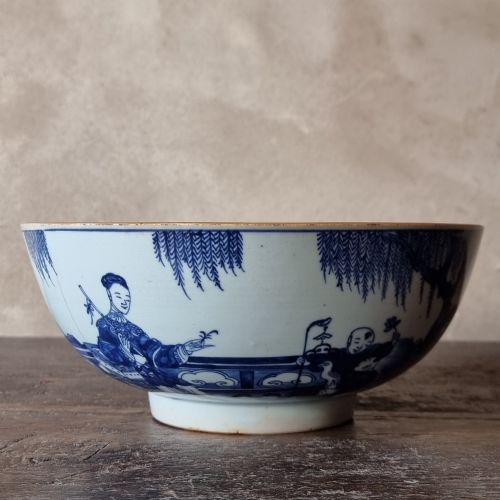
A white porcelain centerpiece encompasses large decorative bowls, pierced baskets, sweetmeat dishes, and figural groups designed to anchor a formal table setting. These items originate from 18th-century European and Asian kilns through to the Edwardian period, utilising hard-paste and soft-paste porcelain.
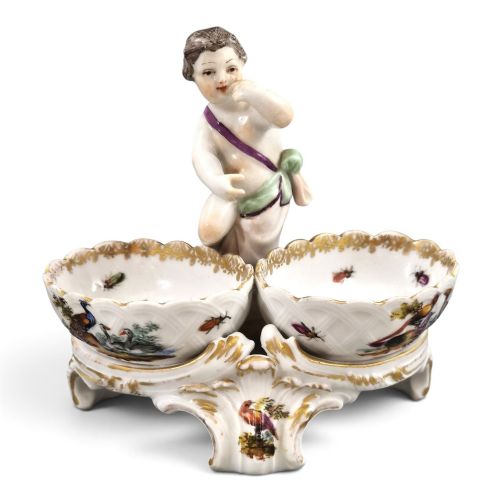
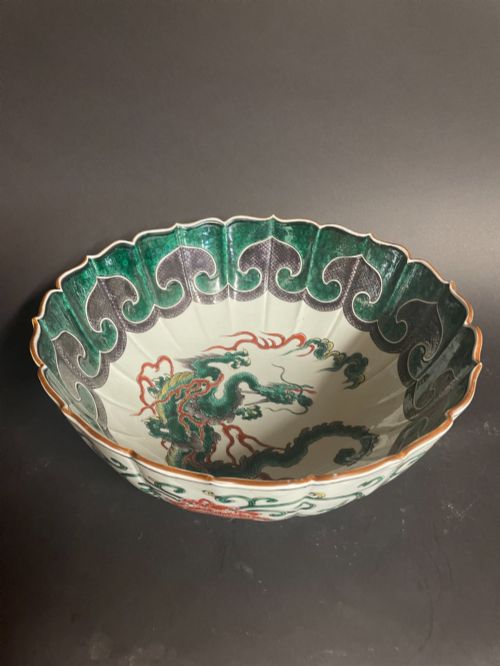
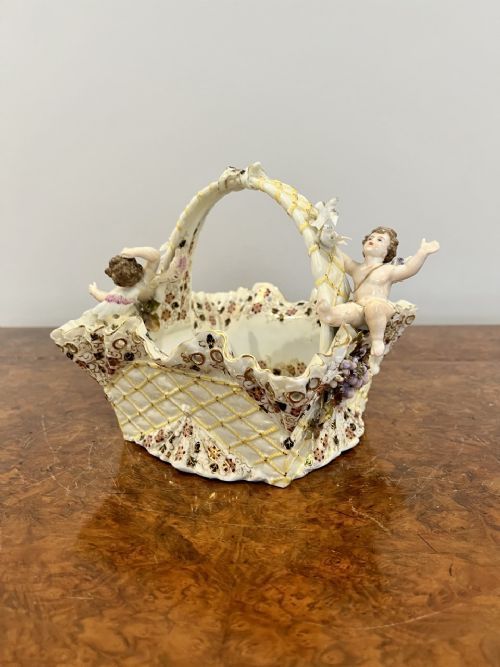
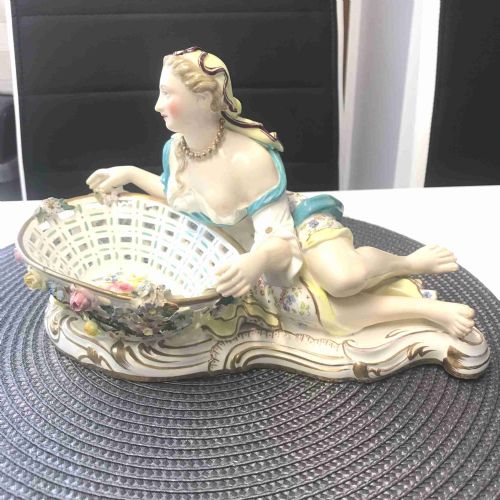
The most common examples on this page take the form of openwork baskets, floral encrusted bowls, and sculptural table ornaments supported by cherubs or putti. They reflect styles ranging from Rococo Revival and Neoclassical to Chinese Export and Japanese Meiji production.
Buyers encounter forms intended for fruit, flowers, or confectionary, often accompanied by matching stands or covers. The body material ranges from crisp white biscuit porcelain to glazed surfaces accented with gilding and hand-painted motifs.
Materials and production methods
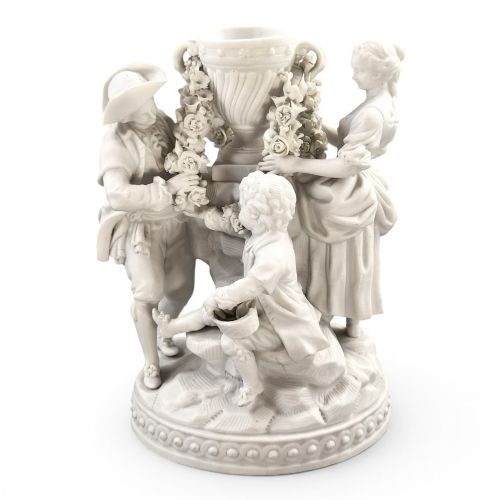
Potters shaped these objects using hard-paste or soft-paste porcelain bodies, sometimes employing Parian ware for unglazed sculptural finishes that mimic carved marble. Biscuit porcelain remained unglazed to highlight modelled contours and matte textures.
Makers applied intricate details by hand, attaching individual ceramic petals, leaves, and applied roses alongside pierced lattice galleries and moulded putti figures. Gilding, gold leaf, and enamel painting were layered over the glaze and fired again to fix the decoration.
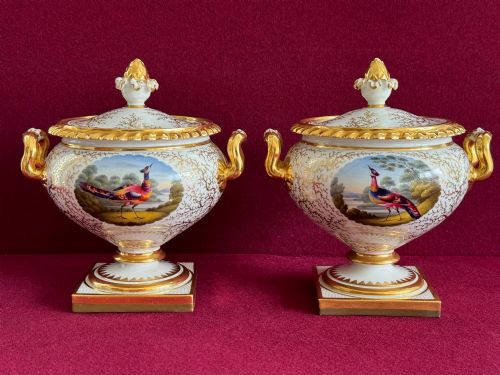
The object forms include pierced baskets, figural compotes, footed bowls, and tureen sets decorated with gilding and applied floral motifs.
Assessing quality in ceramic table ornaments
Quality rests in the crispness of the modelling and the delicacy of applied decorative elements such as flowers and figures. Sharp relief work and clean piercing distinguish superior output from heavier, softer moulding.
The precision of hand-painting, the even application of glaze, and the restraint of gilding determine the refinement of the piece. Intact applied botanical elements without excessive restoration separate superior survivals from heavily repaired examples.
Derby Porcelain·KPM Berlin·Meissen·Worcester·Coalport·Rockingham·Doulton Burslem·Volkstedt·Schierholz·Royal Worcester·Sevres·Mason
The White Porcelain Centerpiece Glossary
- Biscuit porcelain
- Unglazed ceramic fired once to produce a matte, porous finish resembling marble. This surface allows sculptural details to remain sharp without the softening effect of a heavy glaze layer.
- Sweetmeat dish
- A small vessel designed for serving confectionary, nuts, or dried fruits at a formal table. They frequently appear in matching pairs or as part of larger garniture sets.
- Hard-paste porcelain
- A dense ceramic composition fired at high temperatures using kaolin and petuntse. It yields a durable, vitrified body with a bright white colour that resists scratching.
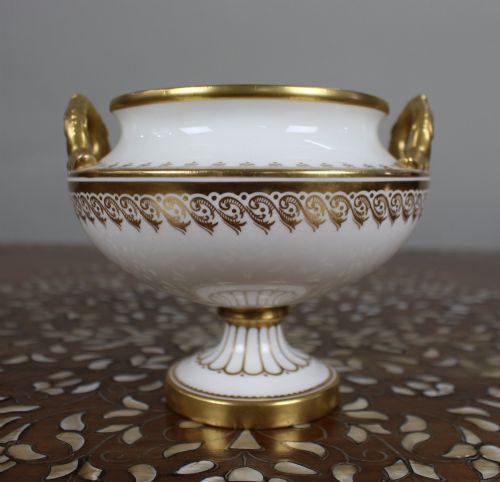
- Comport
- An elevated dish or bowl standing on a short foot or pedestal. These pieces were traditionally used to serve fruit or sweet items above the main table surface.
- Parian ware
- A fine-grained unglazed porcelain developed in the 19th century to imitate antique marble. It takes its name from the white marble quarried on the Greek island of Paros.
White Porcelain Centerpiece: Frequently Asked Questions
What was a white porcelain centerpiece used for?
These pieces served as ornamental containers for fruit, sweetmeats, or cut flowers during formal dining. They anchored the centre of the table as decorative showpieces.
Larger versions functioned as punch bowls or soup tureens, while figural compositions held small dishes for guests to share.
How do I clean a porcelain centerpiece?
Dust gently with a soft brush to protect fragile applied elements like delicate ceramic flowers and leaves. Avoid submerging items with exposed enamel painting or gold leaf.
Wash only by hand in lukewarm water with mild soap when necessary, taking care not to knock projecting figures or pierced rims.
How can I tell 18th-century porcelain from 19th-century pieces?
Examine the glaze, weight, and base for factory marks and manufacturing traits. Eighteenth-century pieces often display subtle potting imperfections and hand-mixed pastes.
Nineteenth-century reproductions and later Victorian output frequently utilised more uniform industrial pastes and stencilled transfer decoration alongside hand-painting.
Are painted birds and flowers hand-drawn?
Most examples feature hand-painted enamels applied directly over the white porcelain glaze. Artisans painted birds, landscapes, and floral sprays individually before a final kiln firing.
Later mass-produced items occasionally incorporated transfer-printed outlines filled in by hand with colour.