


White Porcelain Box
A white porcelain box brings utility and elegance to a dressing table, holding small treasures with timeless restraint.
White Porcelain Box
When you search for a white porcelain box, you encounter a diverse range of vessels designed for practical containment and decorative display. These objects span several centuries, encompassing items intended for sugar storage, trinket organisation, and powder placement.
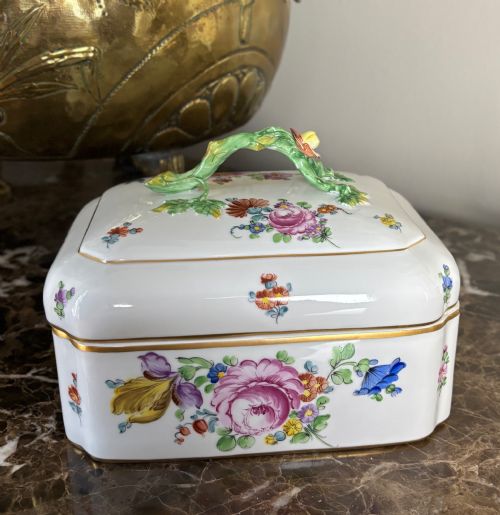
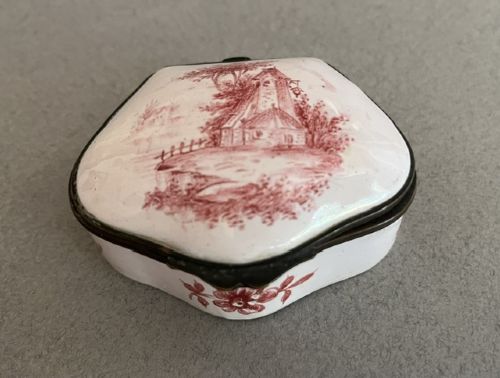
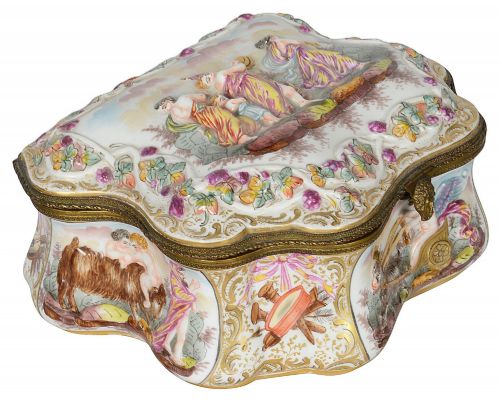
The pieces appearing on this page vary considerably in form, stretching from 18th-century sugar bowls and sucriers to Art Deco figural powder jars and 19th-century French or Italian caskets. Such variety reflects shifting domestic needs and changing aesthetic preferences across European and Asian traditions.
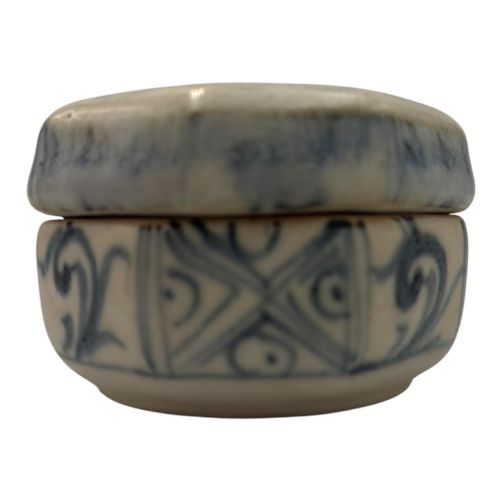
Among these items, 19th-century French and German examples appear frequently, often featuring moulded details, enamel touches, or figural lids. Collectors also encounter earlier English sucriers and early Vietnamese covered boxes, demonstrating the global reach of porcelain production.
Materials and construction methods
The primary material across these listings is ceramic porcelain, frequently paired with glaze and occasionally enhanced by gilt metal, brass, or gold leaf mounts. Makers shaped the clay bodies through throwing or moulding before applying white or tinted glazes that provided a smooth, impermeable surface.
Decoration often involved hand-painted motifs, enamel work, or printed patterns fired into the glaze at high temperatures. Ormolu or gilt metal mounts, seen on French and Italian caskets, required precision metalwork to frame and secure the porcelain panels.
Art Deco vanity displays gain unexpected personality from ceramic bathing belles and jester powder boxes keeping watch over loose face powder.
Distinctions in craftsmanship and condition
Quality in these boxes rests upon the fineness of the porcelain body, the crispness of the moulded relief, and the precision of any hand-painted decoration. Superior pieces display delicate wall thickness, even glaze coverage without excessive pooling, and well-executed details on figural lids or floral motifs.
The integrity of metal mounts and hinges also influences the overall standard of a piece. Well-made caskets feature tightly fitted lids and secure mountings that align properly with the porcelain body, whereas lesser examples may show uneven gaps or careless assembly.
Dresden·Edme Samson Of Paris·Meissen·Richard Ginori·Coalport·Regency Ridgway
The White Porcelain Box Glossary
- Sucrier
- A small vessel designed for holding sugar, often provided with a matching cover. These often feature two handles and sit on a short foot.
- Bonbonniere
- A small decorative box intended for holding sweets or bonbons. Such items frequently display ornamental painting or moulded figural elements.
- Ormolu
- Gilt bronze or metal mounts applied to furniture and decorative objects. This technique added decorative weight and structural framing to porcelain caskets.
- Glaze
- A glassy coating fused to ceramic ware through firing. It waterproofs the body and provides a smooth surface for decoration.
- Paste
- The ceramic body composition used in porcelain production. Hard-paste and soft-paste represent different clay and flux mixtures utilised historically.
White Porcelain Box: Frequently Asked Questions
What were antique porcelain boxes used for?
These boxes served various domestic purposes, ranging from the storage of refined sugar at the tea table to the containment of personal trinkets and jewellery. Powder boxes accommodated cosmetics on dressing tables.
Their exact function often dictated their shape, with sugar boxes tending toward bulbous or urn-like forms and trinket boxes appearing as flat-bottomed caskets or figural jars.
How can I tell an 18th-century box from a 19th-century one?
Distinguishing between centuries relies on observing paste characteristics, painting styles, and mount designs. Eighteenth-century pieces frequently display softer glazes and hand-painted motifs associated with early European manufactories.
Nineteenth-century examples often incorporate heavier moulded decoration, industrial transfer printing, or distinctively ornate metal mounts reflecting revival styles like Rococo or Neoclassical.
Are these boxes fragile for everyday use?
Porcelain possesses inherent strength due to high-temperature firing, but antique boxes require careful handling to preserve their surface decoration and delicate lids. Glazes can chip and hand-painted enamels may wear under abrasive conditions.
Placing them on stable surfaces away from high-traffic areas ensures they remain secure while still functioning as decorative storage.
What is the difference between a sucrier and a trinket box?
A sucrier is specifically designed for table service as a sugar container, usually featuring a lid and sometimes handles for passing.
A trinket box is a vanity item intended for personal accessories like rings, brooches, or small keepsakes, typically lacking the specific tea-service proportions of a sugar bowl.