

White Polychrome Ceramics
White polychrome ceramics unite bright enamel palettes with white grounds across centuries of European and Asian kiln traditions.
White Polychrome Ceramics
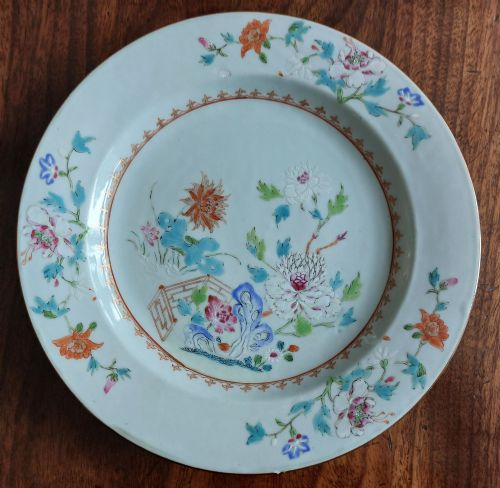
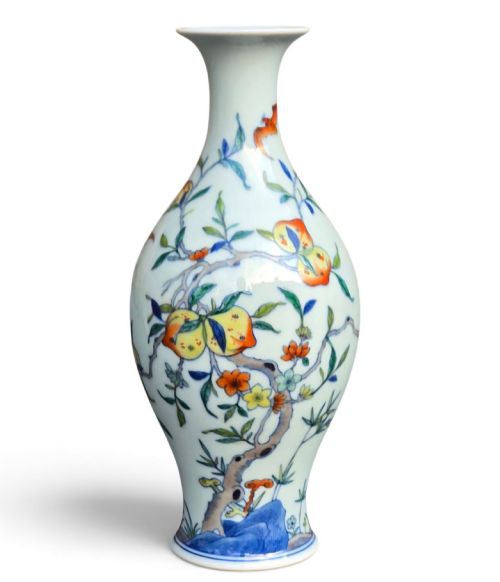
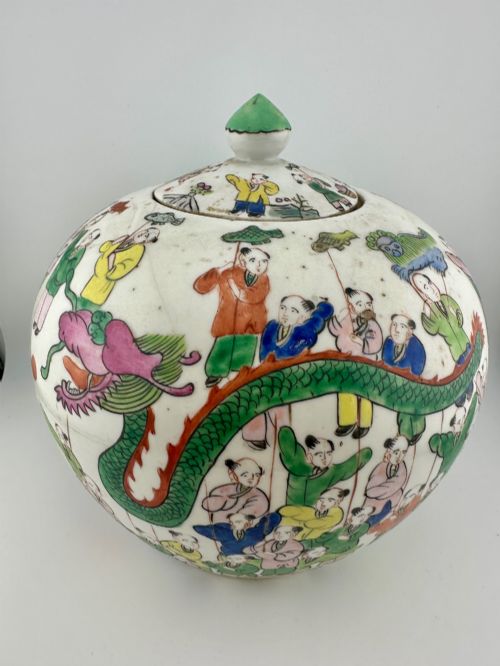
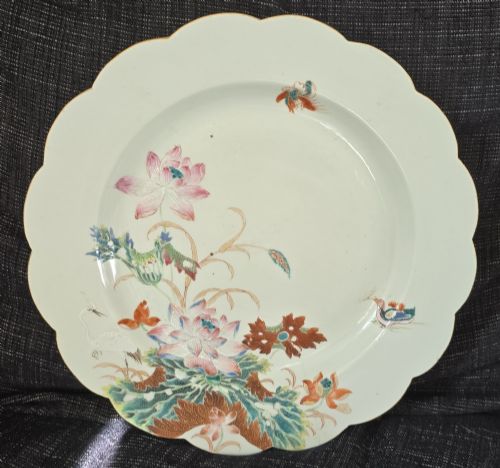
White polychrome ceramics encompass wares defined by a pale porcelain or earthenware body decorated with multi-coloured enamels and handpainted details. A buyer searching this phrase encounters objects spanning the eighteenth and nineteenth centuries, including Georgian and Victorian periods.
The selections on this page lean heavily towards English porcelain from factories like Derby and Worcester, alongside continental porcelain from Meissen and Sceaux. Chinese export wares and Japanese Imari examples also appear frequently among the listings.
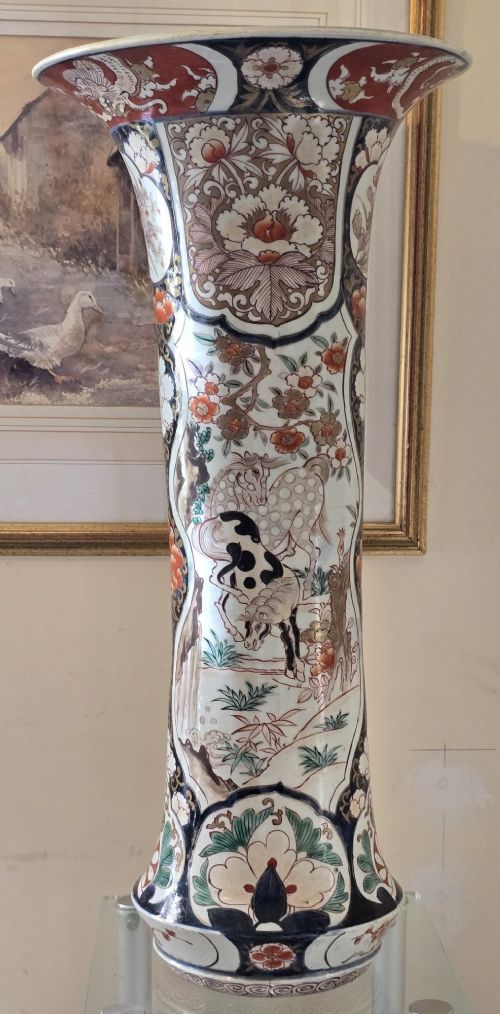
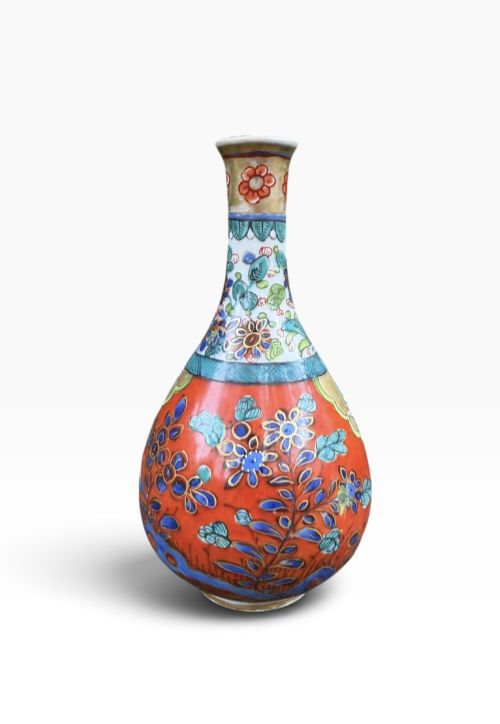
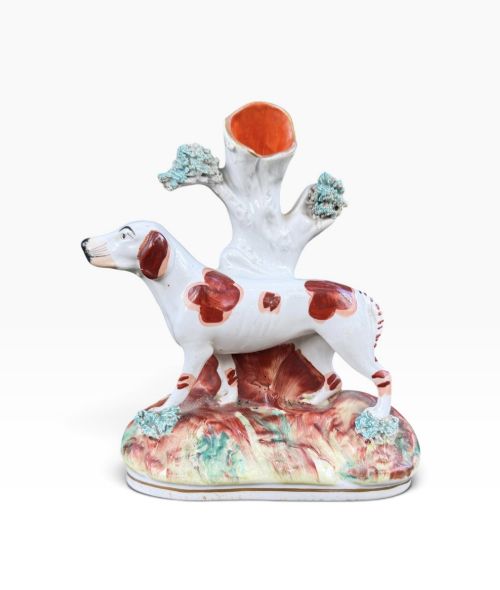
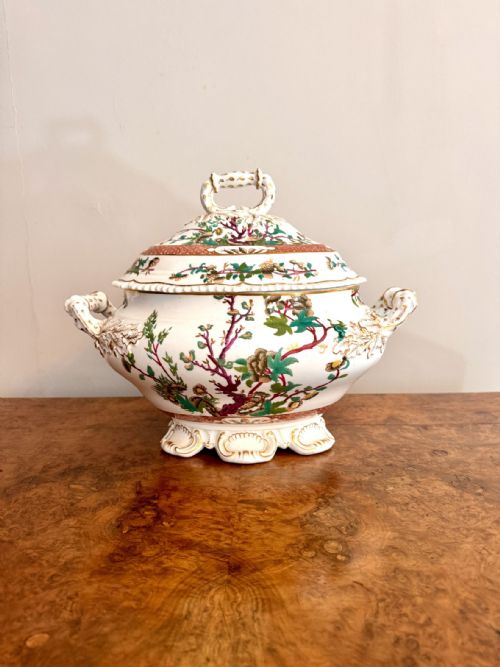
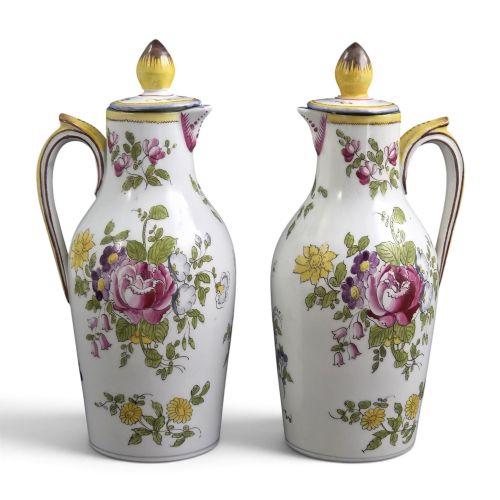
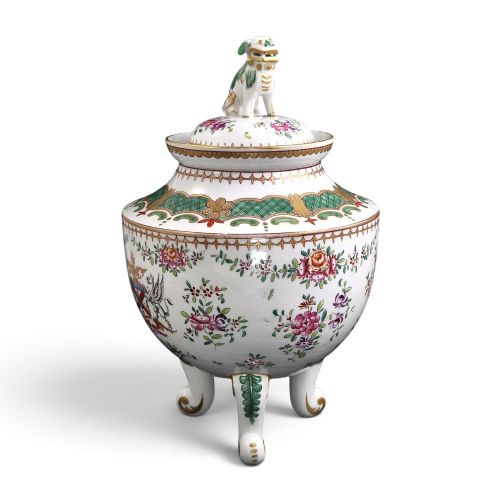
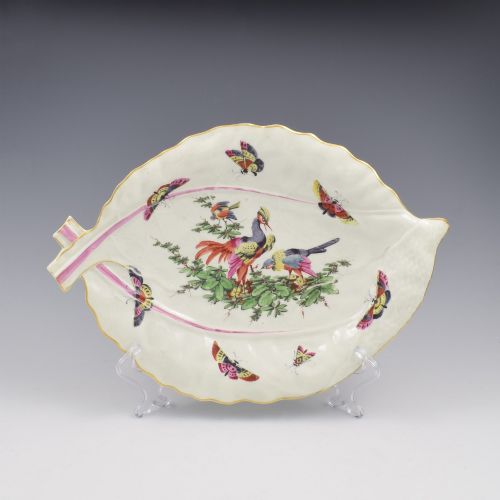
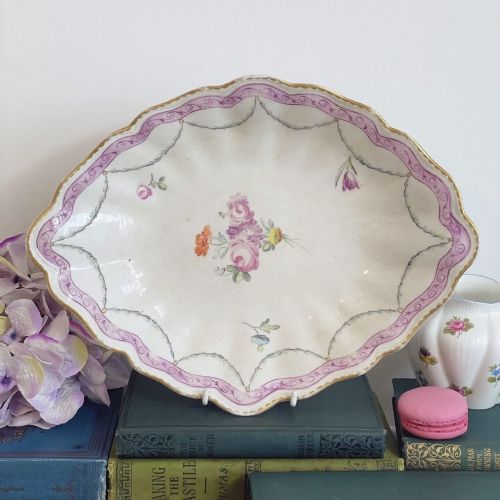
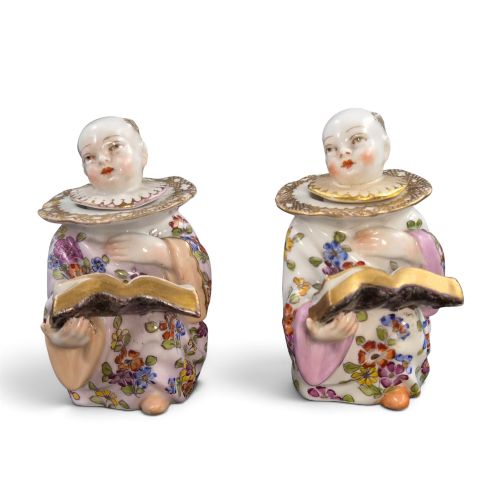
Object forms range from decorative plates and dessert dishes to figurative groups, vases, and coffee cups. Many pieces display Chinoiserie motifs, armorial designs, or ornithological painting upon a white ground.
How they were made
Makers utilised hard-paste porcelain, soft-paste porcelain, earthenware, and faience as the base bodies for these decorated items. Potters shaped these materials into tableware and figures before applying an initial glaze.
Craftsmen painted motifs using enamel colours and gold leaf, then fired the pieces again to fuse the pigments onto the glazed surface. Handpainted birds, flowers, and figures required steady brushwork and precise kiln temperatures.
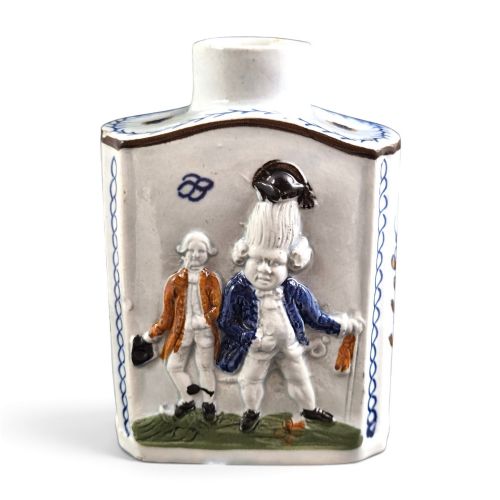
A Victorian fairing captures the domestic drama of being the last person in bed to put out the light.
What varies in quality
Quality in these ceramics rests on the crispness of the moulding and the skill of the handpainting. Superior pieces display fluid, detailed brushwork in the enamels rather than stiff or muddy application.
The definition of the gilt work and the translucency of the porcelain body further distinguish finer examples from standard production wares.
Edmé Samson·Derby Porcelain·Richard Chaffers·Meissen·Volkstedt Rudolstadt Factory
The White Polychrome Ceramics Glossary
- Polychrome
- Decoration executed in multiple colours. This technique allows for complex pictorial scenes and floral motifs.
- Enamel
- Opaque glass melted onto the ceramic surface during a secondary firing. It provides vibrant colour over white glazes.
- Soft-paste porcelain
- A glassy ceramic composition fired at lower temperatures than hard-paste. It has a warm, slightly softer white body.
- Armorial
- A ceramic decorated with a family coat of arms. These bespoke commissions were popular in the eighteenth century.
- Faience
- Tin-glazed earthenware produced in Europe. It offers an opaque white background for painted decoration.
White Polychrome Ceramics: Frequently Asked Questions
What periods do these ceramics come from?
The pieces span the eighteenth and nineteenth centuries, taking in Georgian and Victorian eras. Dates range from the mid-eighteenth century through to the late Victorian period.
English factories operate alongside continental European kilns and Asian export works during these same timeframes.
How do I display porcelain figures?
Porcelain figures and figurines require stable shelving away from direct sunlight to protect the enamel colours. Enclosed cabinets safeguard delicate raised elements like leaves and branches.
Keeping them clear of high-traffic areas prevents accidental damage to fragile painted appendages.
What is the difference between hard-paste and soft-paste?
Hard-paste porcelain combines kaolin and petuntse, firing at very high temperatures to create a dense, vitrified body. Soft-paste uses white clay mixed with ground glass and various binders.
Soft-paste pieces often show a warmer tone under the glaze and were favoured by early English factories.
How were coffee cups used?
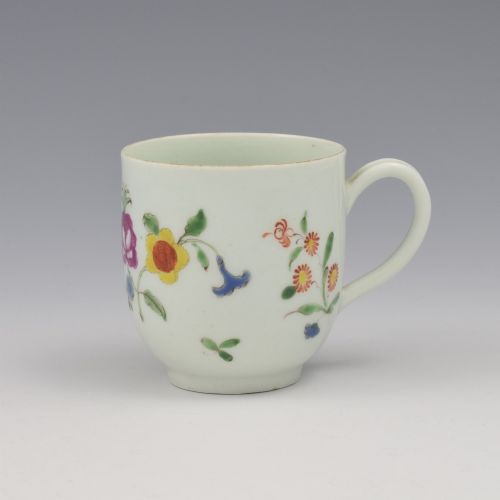
Coffee cups and matching bowls served hot beverages in upper-class households during the Georgian period. They formed part of broader tea and coffee services used for entertaining.
Many retain their matching saucers or stands for holding the cup between sips.
What does Dr Wall Worcester mean?
Dr Wall Worcester refers to porcelain produced at the Worcester factory during its first period under the direction of Dr John Wall. This era is celebrated for fine potting and delicate painting.
Pieces from this period often feature specific blue marks or crescent symbols on the base.