

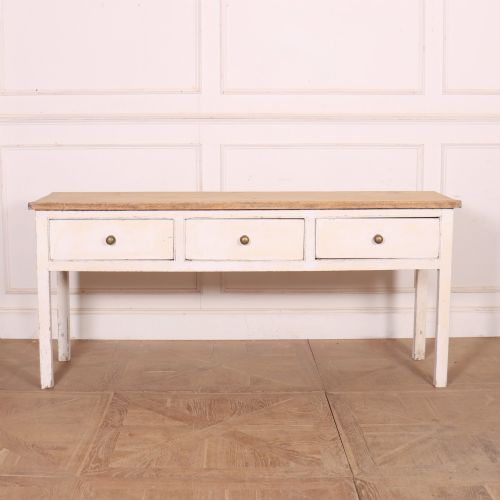

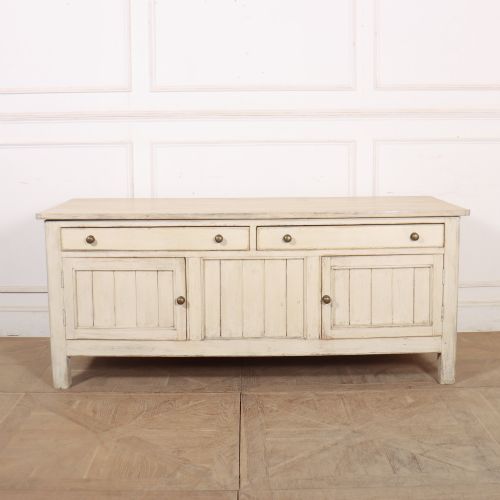


White Pine Dresser
These white pine dresser pieces and related painted furniture bring robust country utility and painted surfaces into modern homes.
White Pine Dresser
A white pine dresser search brings up a variety of sturdy storage furniture intended for practical domestic use. Buyers encounter regional pieces spanning the eighteenth and nineteenth centuries, including English country bases, Welsh designs, and Scandinavian painted cabinets.
The selection on this page leans heavily toward nineteenth-century painted examples, alongside Victorian housekeeper cupboards and chest of drawers forms. These items reflect traditional rural craftsmanship, offering open potboard shelving or enclosed cupboard storage.
Styles range from simple English country and Regency lines to decorative Swedish, Danish, and Gustavian painted finishes. Formats vary from tall breakfront kitchen dressers to low commode chests and open bookcases.
Materials and construction
Makers built these pieces primarily using solid pine timber, selected for its workability and availability in regional workshops. Structural integrity relied on traditional joinery methods suited to utilitarian domestic furniture.
Many surfaces feature layers of applied paint, often historical, creating the painted wood and painted timber finishes characteristic of Scandinavian and English country pieces. Hardware components typically include iron, brass, and metal hinges or pulls.
Larger items like housekeeper cupboards and breakfront dressers were occasionally constructed in two parts to facilitate transport and placement in domestic spaces.
White Pine Dresser Retail Price Guide 2026
Typical asking prices for white pine dresser among the pieces listed under this phrase on Sellingantiques today, from the lower quarter to the upper quarter. They describe what is for sale here now, not the wider market.
Materials documented across the inventory include solid pine, iron hardware, brass accents, and various historical painted timber finishes.
Assessing quality in painted pine furniture
Quality rests in the integrity of the original timber construction and the survival of early or original painted surfaces. Pieces retaining genuine historical paint finishes command greater interest than those stripped down or aggressively refinished.
Proportion and regional detailing distinguish standard utility items from finer decorative examples, such as Welsh commode chests or Swedish bonnet top cabinets. The clever integration of hardware, from brass pulls to iron latches, contributes to overall cohesion.
The White Pine Dresser Glossary
- Potboard dresser base
- A kitchen dresser base featuring an open lower shelf traditionally used for storing pots and pans. This form appears frequently in English country furniture.
- Breakfront
- A cabinet design where the central section projects forward from the side sections. This layout adds architectural depth to larger kitchen dressers.
- Commode chest
- A low chest of drawers, often used for bedroom storage and frequently finished with decorative paint in Swedish and Welsh traditions.
- Housekeeper cupboard
- A tall, large-scale storage cupboard utilised in large homes for linen and provisions. These pieces often separate into distinct upper and lower sections.
- Bonnet top
- A curved or arched upper pediment on a cabinet. This decorative roofline is common in eighteenth and nineteenth-century Scandinavian cabinetry.
- Gustavian
- The Swedish neoclassical style popular during the late eighteenth and early nineteenth centuries. It is characterised by restrained carved details and pale painted finishes.
White Pine Dresser: Frequently Asked Questions
Where were these pieces used?
These pine furnishings served practical roles in kitchens, sculleries, and large country houses. They provided essential storage for household provisions, tableware, and linens.
Over time, many transitioned from utility spaces into principal living areas as decorative storage units.
How do I identify a Swedish piece?
Swedish items usually display characteristic pale painted finishes, such as soft greys, creams, or blues. They often incorporate neoclassical Gustavian proportions or distinctive bonnet top structures.
Regional details differ noticeably from heavier English country furniture forms.
Are these items made in two parts?
Certain larger examples, such as specific chests of drawers and cupboards, were constructed in two distinct sections. This modular approach helped makers transport bulky furniture through narrow doorways.
Buyers should inspect the division points to understand the original construction method.
How should I care for painted pine?
Protect painted pine surfaces by keeping them away from direct sunlight and fluctuating humidity. Dust regularly with a soft, dry cloth rather than using harsh chemical cleaners.
Preserving the existing paint layers maintains both the character and integrity of the piece.