



White Parian Ware
White parian ware brings nineteenth-century neoclassical sculpture into the domestic interior through unglazed porcelain figures and busts.
White Parian Ware
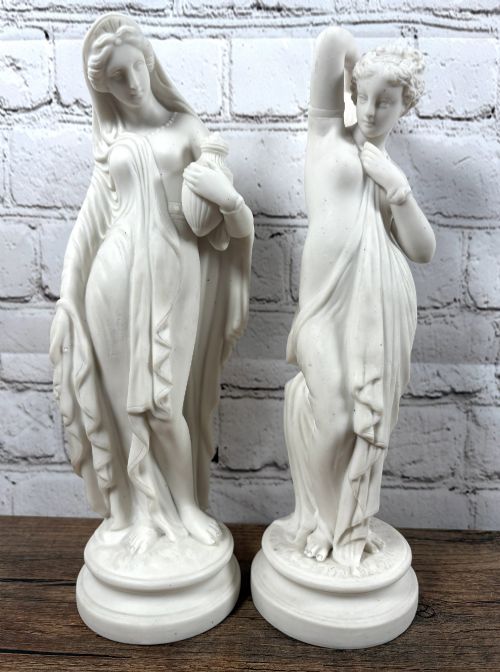
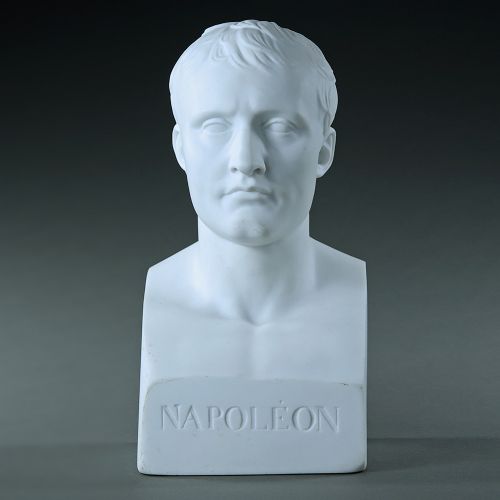
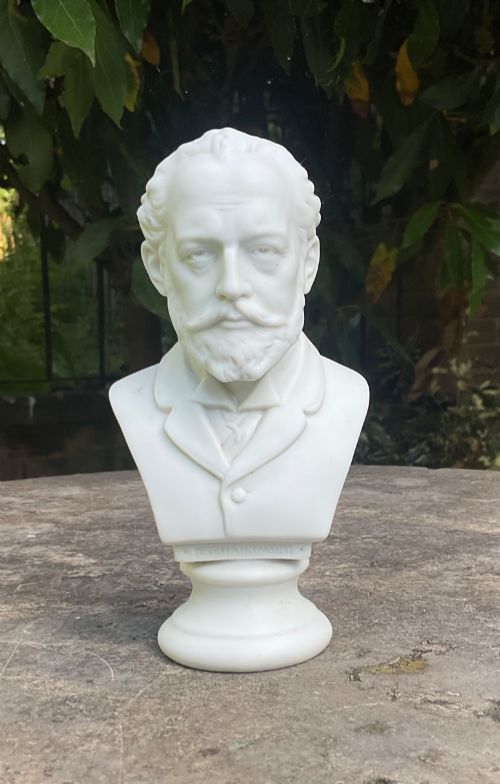
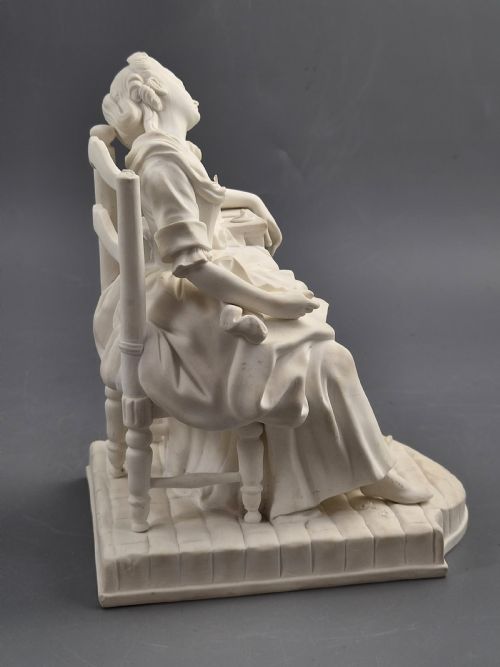
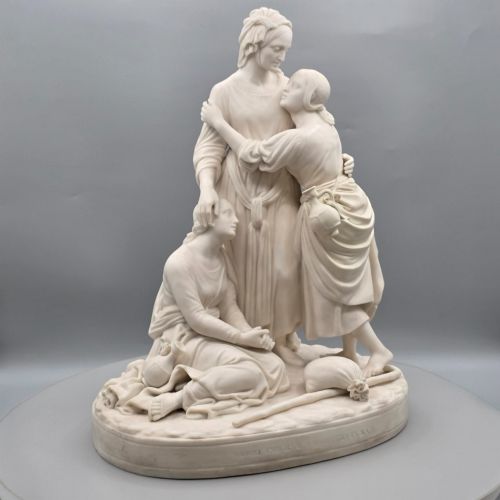
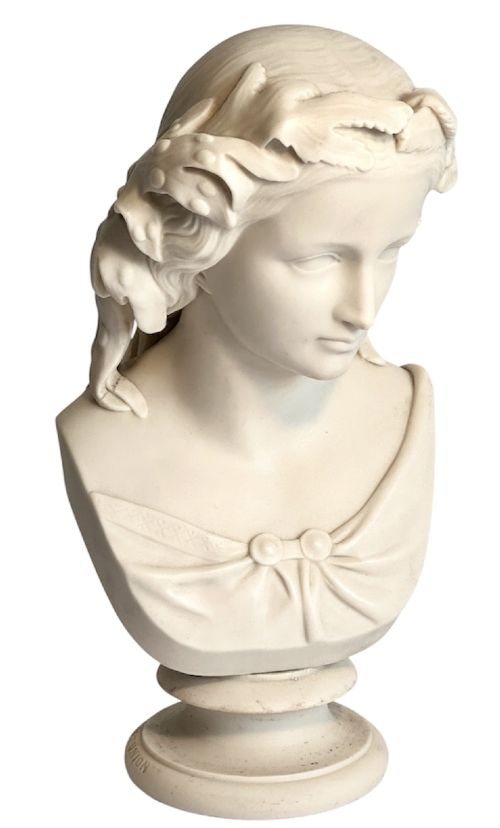
White parian ware encompasses nineteenth-century sculptural ceramics designed to imitate carved marble. Buyers encounter literary characters, historical figures, and classical subjects modelled with smooth matte surfaces.
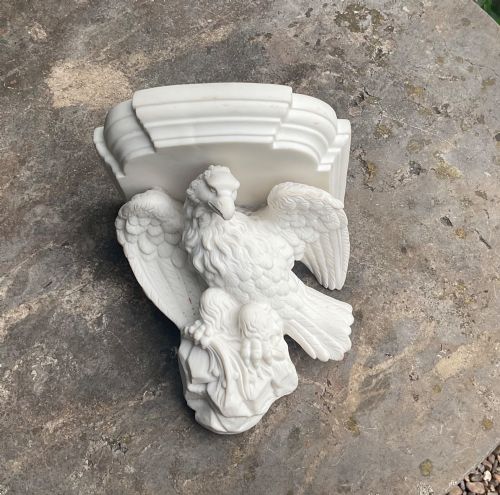
The objects span figural groups, portrait busts, wall brackets, and decorative tableware like jugs and centrepiece dishes. Victorian makers produced these pieces across the nineteenth century, drawing heavily on neoclassical styles.
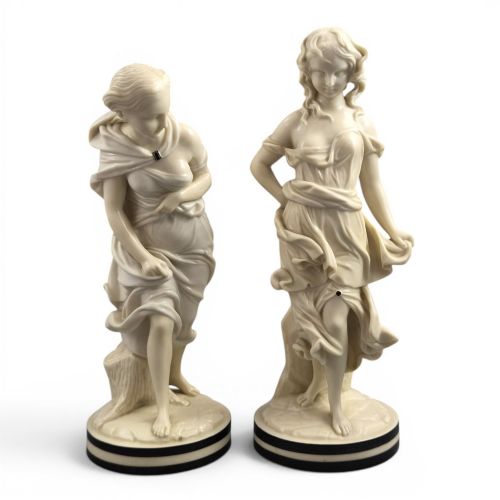
Figurines depicting maidens, children, and allegorical subjects dominate the selection. Most examples date from the mid-Victorian decades, reflecting the period's appetite for accessible sculptural art.
Materials and Technique
Makers utilised a specific formulation of low-fired porcelain body that lacked a glossy glaze. This biscuit or bisque porcelain achieved a dense, fine-grained texture resembling marble.
The manufacturing process required slip casting in multiple mould parts to capture intricate details of drapery, hair, and facial expression. Skilled modellers then chased the surfaces by hand after casting to sharpen the definition before firing.
White Parian Ware Retail Price Guide 2026
Typical asking prices for white parian ware among the pieces listed under this phrase on Sellingantiques today, from the lower quarter to the upper quarter. They describe what is for sale here now, not the wider market.
The listings feature nineteenth-century British and continental porcelain, predominantly in Victorian neoclassical styles.
Judging Quality
Quality rests upon the crispness of the modelling and the subtlety of the surface finish. Superior pieces retain sharp details in hair and drapery without the blurring caused by worn moulds.
The scale and ambition of the composition also distinguish the range. Elaborate multi-figure groups demonstrate greater technical mastery than single-figure studies.
Minton·Copeland·Royal Worcester·Sèvres·Triebner Ens And Co
The White Parian Ware Glossary
- Biscuits
- Unglazed ceramic ware fired once to create a matte, porous finish. This surface absorbs light softly, mimicking marble.
- Parian ware
- A type of hard-paste porcelain developed in Britain to imitate marble. The material takes its name from Parian marble found on the Greek island of Paros.
- Neoclassical
- An artistic style drawing inspiration from classical antiquity. It prioritises restraint, symmetry, and classical subject matter.
- Slip casting
- A ceramic manufacturing method using liquid clay poured into plaster moulds. This technique allowed factories to replicate complex sculptural forms accurately.
White Parian Ware: Frequently Asked Questions
What is white parian ware?
White parian ware is a type of unglazed nineteenth-century porcelain created to imitate carved marble sculpture. Factories developed the ceramic body to bring classical art into Victorian homes.
These pieces typically take the form of portrait busts, literary figures, and allegorical groups. The matte surface allows intricate details in drapery and expression to remain sharp.
How do you clean white parian ware?
Cleaning requires gentle methods because the unglazed biscuit porcelain is porous and absorbs dirt easily. Soft brushes help remove dust from crevices without damaging the matte surface.
Water and harsh detergents can stain the porous ceramic body. Dry cleaning methods remain the safest approach for maintaining these sculptures.
Where were these pieces made?
Production centred primarily in British potteries during the Victorian era, alongside select continental European factories. Staffordshire works like Copeland and Minton produced notable figural pieces.
French and German manufactories also contributed significant sculptural figures and busts to the market. Makers often marked their pieces with impressed stamps or factory ciphers.
How do you date white parian ware?
Dating relies on factory marks, registration diamonds, and stylistic indicators from the nineteenth century. Victorian production methods evolved significantly between the eighteen-forties and the end of the century.
Costume details, subject matter, and the sharpness of the casting provide further clues. Sculptures after known artists often reference mid-nineteenth-century exhibition pieces.