


White Painted Writing Desk
A white painted writing desk brings light and historic utility into a room, offering a practical workspace dressed in centuries of decorative finish.
White Painted Writing Desk
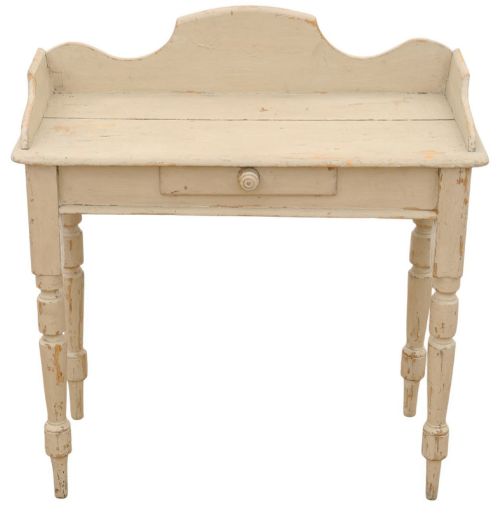
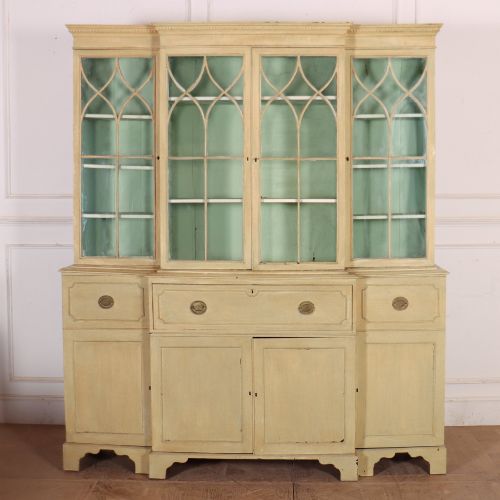
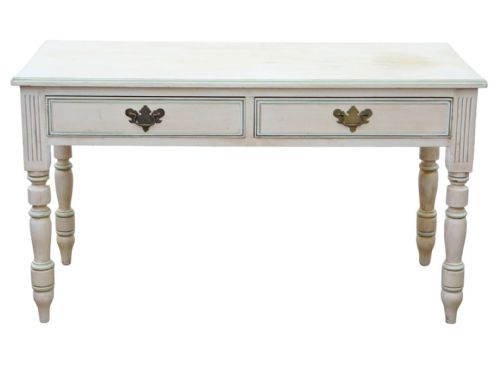
A white painted writing desk spans forms from simple pine side tables and kitchen tables adapted for writing to grand bureau bookcases and serpentine kneehole desks. These pieces originate across England, Sweden, Denmark, France, and Germany, drawing on styles such as English Country, Gustavian, and French Chateau.
The selection ranges from eighteenth-century English bureau bookcases down to early twentieth-century Swedish occasional tables and Art Deco kidney-shaped desks. Buyers encounter both utilitarian painted pine furniture and more formal writing tables featuring applied decorative motifs.
Functional inkstands and desk accessories in porcelain and faience appear alongside larger furniture pieces, providing the smaller desk accompaniments used historically for correspondence. These items combine writing surfaces with storage options like drawers and shelving.
How they were made
Makers constructed these pieces primarily from wood such as pine, employing traditional joinery for drawers, frames, and carcases. Surfaces received coats of paint, occasionally complemented by gold leaf detailing.
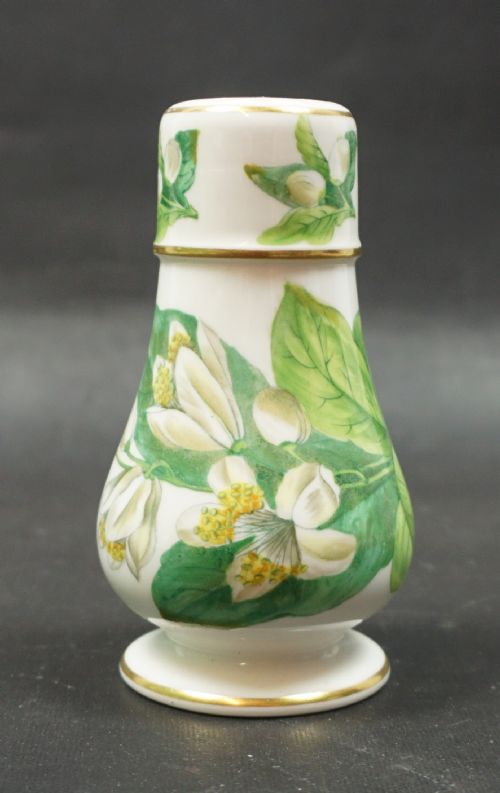
Desk accessories and inkwells utilise ceramic materials including porcelain, pearl ware, and faience, shaped and hand-painted with floral motifs or botanical subjects like lily of the valley. Brass hardware provides handles, hinges, and decorative mounts on drawers and cabinets.
Listings feature items spanning from the eighteenth century through the 1930s, utilising materials including pine, porcelain, brass, and gold leaf.
What varies in quality
The standard of timber preparation and the application of the painted finish determine much of the distinction between pieces, with original historic paint surfaces holding particular interest over later decoration. The subtlety of carved details, such as serpentine fronts or rococo curves, dictates the refinement of the form.
Finer examples integrate superior cabinetmaking with well-preserved porcelain fittings, such as hand-painted inkwells with intricate covers, while simpler provincial items rely on robust pine construction and straightforward utility.
Flight and Barr·Meissen
The White Painted Writing Desk Glossary
- Bureau bookcase
- A combination furniture piece featuring a sloping writing flap that drops down to reveal compartments, positioned beneath a set of shelving or enclosed bookcase doors.
- Serpentine front
- A furniture front characterised by a wavy line with a convex centre flanked by concave curves, adding visual movement and requiring advanced carpentry skill.
- Pounce pot
- A small container with a perforated lid used to sprinkle resin powder over paper to smooth the surface before writing with ink.
- Faience
- Tin-glazed earthenware produced across Europe, known for its opaque white background and hand-painted blue or polychrome decoration.
- Kneehole desk
- A compact desk design featuring a recessed central space for the user's legs, flanked by pedestals of drawers on both sides.
White Painted Writing Desk: Frequently Asked Questions
How do I date a painted desk?
Dating relies on examining the construction methods, timber types, and the composition of the paint layers. Structural joints, drawer linings, and hardware styles offer reliable clues to whether a piece originates from the eighteenth, nineteenth, or early twentieth century.
Paint analysis helps determine if the surface finish is original or a later application. Wear patterns and patination on the wood beneath the paint further confirm the age of the piece.
Are these desks suitable for daily work?
Many of these tables and desks provide functional writing surfaces that accommodate contemporary laptops and paperwork. Bureau bookcases and kneehole desks offer built-in storage compartments for stationery and documents.
Care should be taken to protect historic painted surfaces from moisture, heat, and heavy impact during everyday use. Blotting pads and gentle cleaning methods preserve the finish over time.
What is a Gustavian desk?
A Gustavian desk reflects the Swedish neoclassical style inspired by King Gustav III in the late eighteenth century. These pieces typically feature lighter proportions, carved fluting, and pale grey or white painted finishes.
The aesthetic combines French elegance with Scandinavian simplicity, making them adaptable to both traditional and modern interiors.
How do I care for painted wood?
Maintenance involves dusting with a soft, dry cloth and avoiding harsh chemical cleaners that can strip or soften historic paint. Keeping pieces away from direct sunlight and radiators prevents the wood from warping and the paint from cracking.
Minor scuffs on working surfaces should be managed gently to preserve the surrounding historic patina. Professional conservation is recommended for any significant flaking or structural instability.