

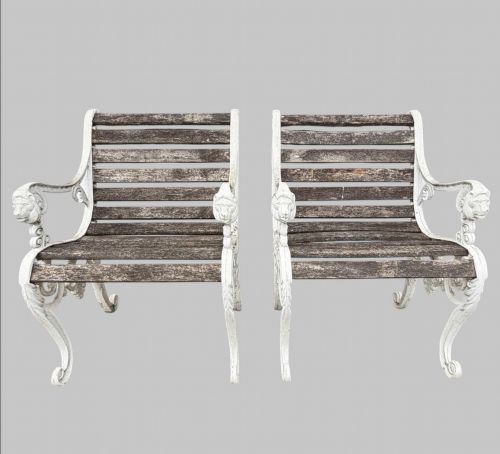


White Outdoor Bench
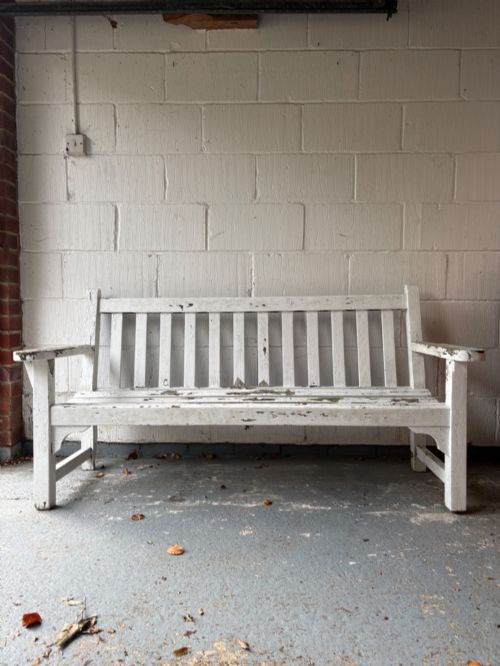
White outdoor bench selections bring enduring garden form, offering sturdy seating cast in metal or fashioned in timber.
White Outdoor Bench
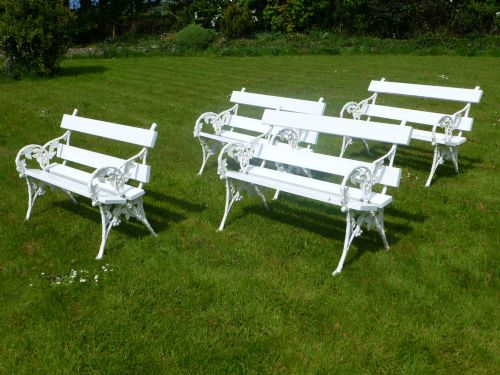
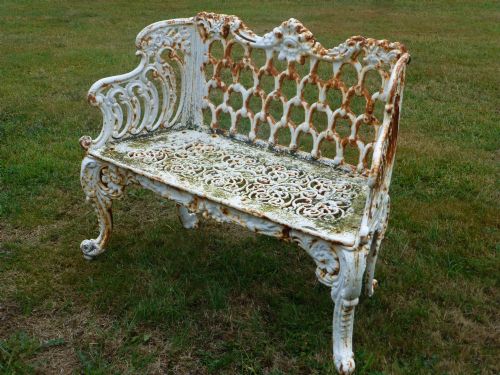
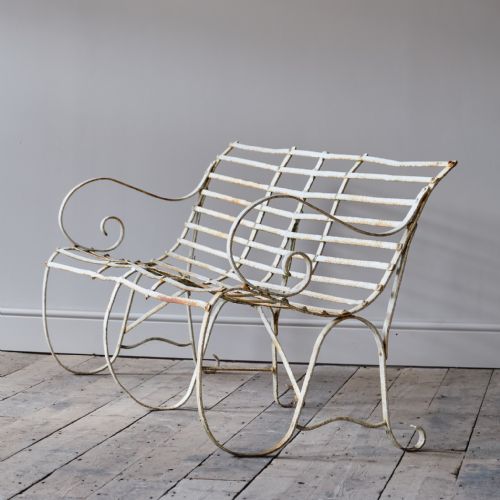
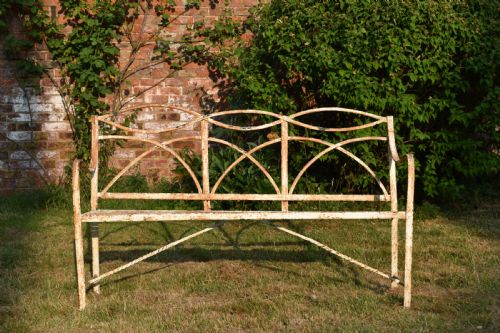
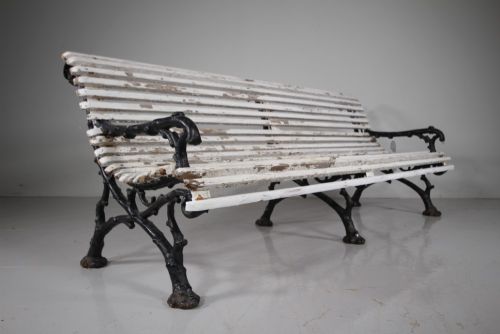
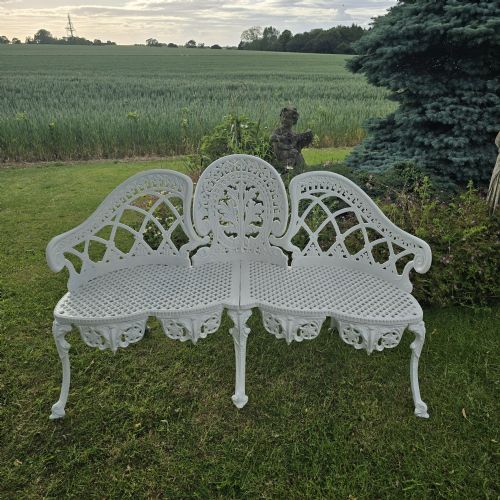
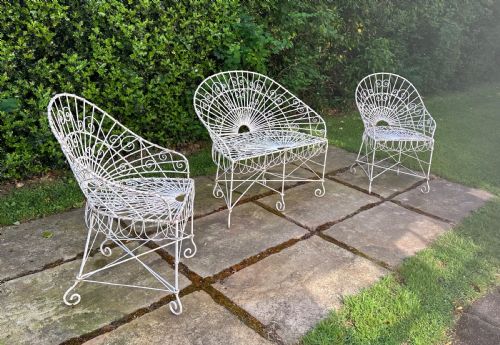
A white outdoor bench provides garden seating across styles from Regency strapwork to Victorian rustic patterns. Buyers find pieces ranging from complete sets with matching armchairs to individual garden seats and bench ends.
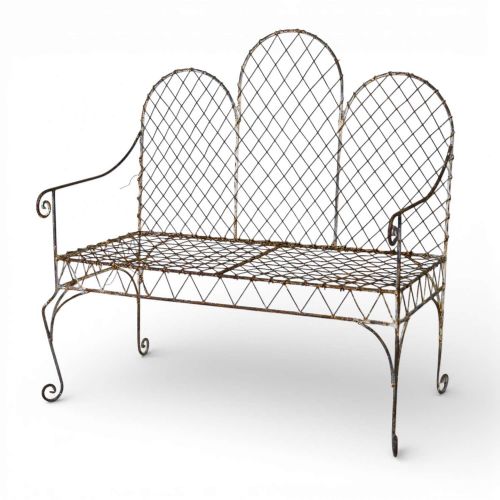
The selections span periods including the nineteenth century, Regency, Victorian era, and interwar years. Makers utilise cast iron, wrought iron, timber, wood, and wirework to form these garden seats.
Forms include garden arbours, garden sets, and traditional garden benches. Pieces frequently display specific motifs like blackberry and leaf patterns or lion masks.
Materials and construction methods
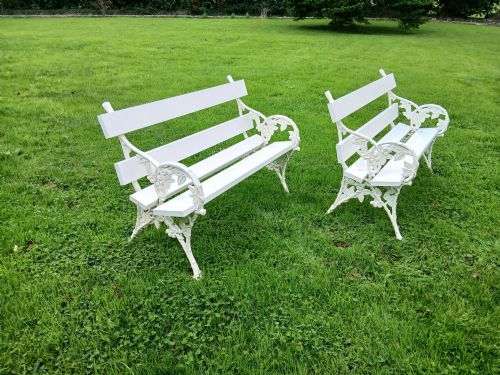
Foundries cast iron into ornate structural frames and detailed patterns such as foliage, strapwork, and rustic branches. These metal components combine with timber or wood slats to form the complete seat.
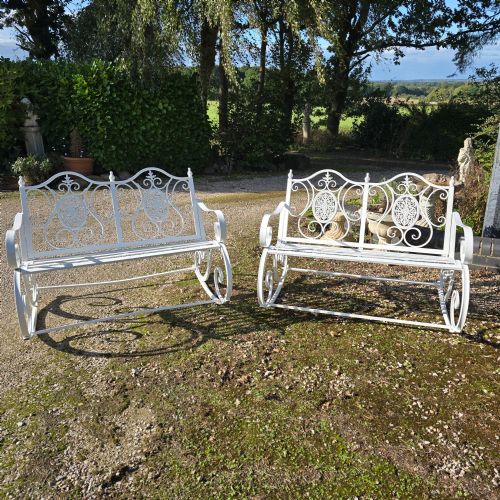
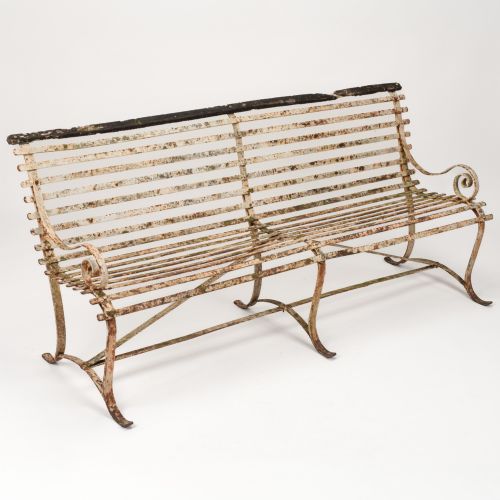
Wrought iron construction involves skilled blacksmith work to shape strapwork frames for Regency style seating. Paint finishes protect the underlying metal and wood while providing the characteristic white exterior appearance.
White Outdoor Bench Retail Price Guide 2026
Typical asking prices for white outdoor bench among the pieces listed under this phrase on Sellingantiques today, from the lower quarter to the upper quarter. They describe what is for sale here now, not the wider market.
Listings feature pieces spanning the 19th century, Regency period, and Victorian era, constructed from cast iron, wrought iron, and timber.
Judging construction quality
The refinement of the casting separates standard metal frames from exceptional foundry work, particularly in botanical details like blackberry leaves and floral motifs. Crisp definition in cast iron and precise joinery in wrought iron indicate superior execution.
Originality of components, such as matching bench ends and timber slats, influences the integrity of the piece. The depth of period character and the survival of early decorative paint surfaces determine the distinction of each garden seat.
Falkirk Carron Foundry·Carron Foundry·Coalbrookdale
The White Outdoor Bench Glossary
- Strapwork
- Flat metal bands arranged in geometric patterns, typical of Regency garden seating. This technique creates a light yet robust open framework.
- Cast Iron
- Molten iron poured into a mould to produce intricate decorative garden bench ends and frames. It allows for high detail in botanical and figural designs.
- Wrought Iron
- Iron heated and hammered into shape by hand to form structural components and scrollwork. It provides sturdy support with a lighter visual profile than cast iron.
- Bench Ends
- The structural side supports of a garden seat, often cast in iron with ornate patterns. Timber slats attach between these ends to form the seat and back.
- Garden Arbour
- An outdoor framework providing a shaded seat, sometimes constructed from wirework. It supports climbing plants while offering an architectural garden feature.
White Outdoor Bench: Frequently Asked Questions
How do I maintain a white outdoor bench?
Regular cleaning removes debris and prevents weathering damage to the painted surface. Touching up chipped paint protects iron or wood from moisture.
Positioning the bench on a stable surface during winter months minimises ground dampness absorption. Proper care preserves both the structural integrity and the decorative finish.
Are these benches suitable for year round garden use?
Metal and treated timber garden seats withstand outdoor conditions across seasons. Heavy cast iron and wrought iron variants offer strong wind resistance.
Placing wooden or painted benches in sheltered spots during harsh weather extends their lifespan. Regular inspection of fixings ensures safe seating throughout the year.
How do I distinguish Regency style from Victorian pieces?
Regency designs frequently feature linear wrought iron strapwork and restrained classical proportions. They emphasise geometric frameworks and lighter open structures.
Victorian pieces tend toward heavier cast iron construction with ornate botanical motifs like leaves and rustic branches. They often incorporate more elaborate relief ornamentation and robust framing.
Can I leave wooden slat benches outside?
Timber and wood seats handle outdoor exposure when properly sealed and maintained. Teak and painted wood resist natural decay over extended periods.
Covering the timber during severe winter weather prevents excessive moisture retention. Routine maintenance keeps the wooden slats strong and secure.