
Antique Iron Bench Seat
These heavy garden seats provide enduring structure outdoors, uniting metalwork and garden design through sturdy nineteenth-century forms.
Antique Iron Bench Seat
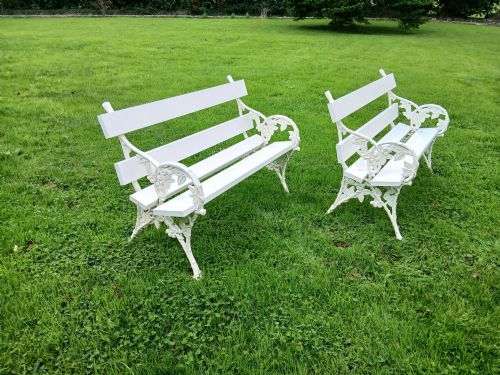
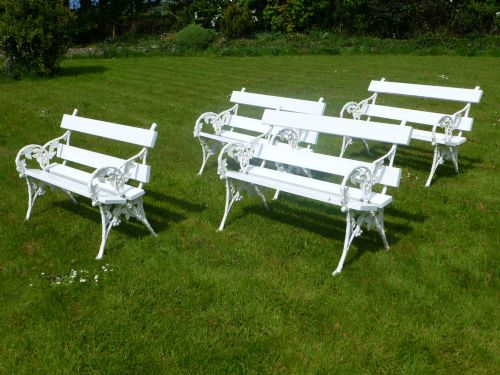
An antique iron bench seat forms a robust focal point for lawns, terraces, and conservatories, drawing on nineteenth-century designs that combine utility with decorative metalwork. Buyers searching for an antique iron bench seat will encounter numerous Victorian and Regency examples, alongside Edwardian and later twentieth-century iterations.
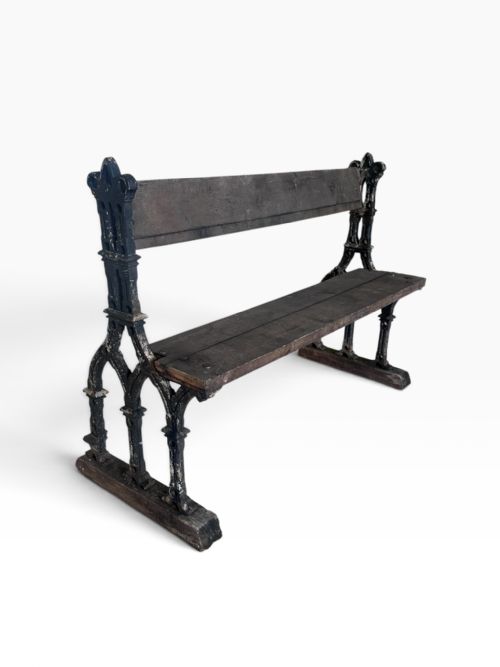
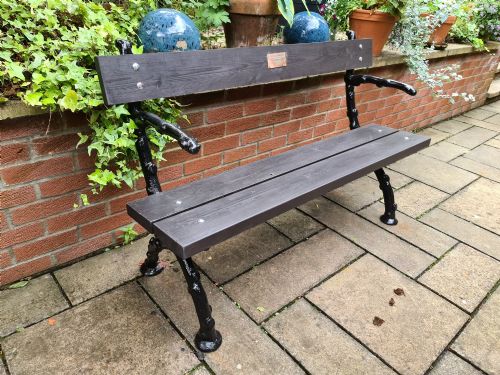
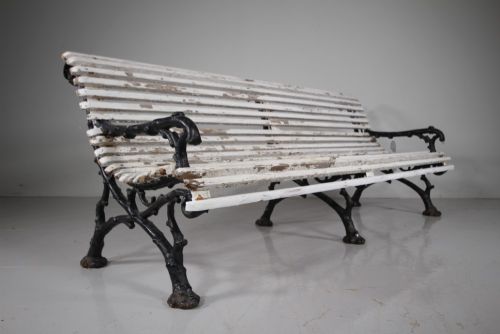
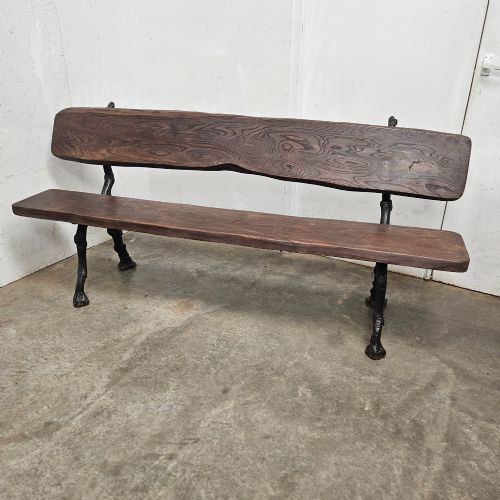
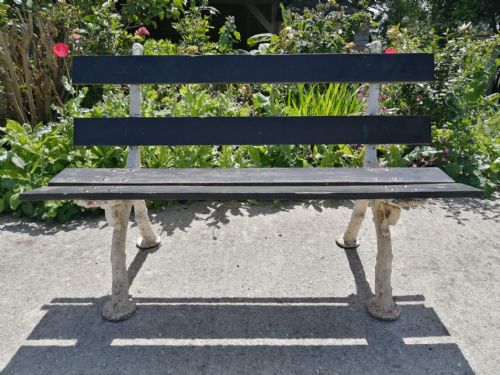
The material inventory spans cast iron, wrought iron, and steel, frequently paired with timber slats, elm, or oak. Stylistic variations include Gothic motifs, rustic faux bois patterns mimicking natural branches, and geometric strapwork.
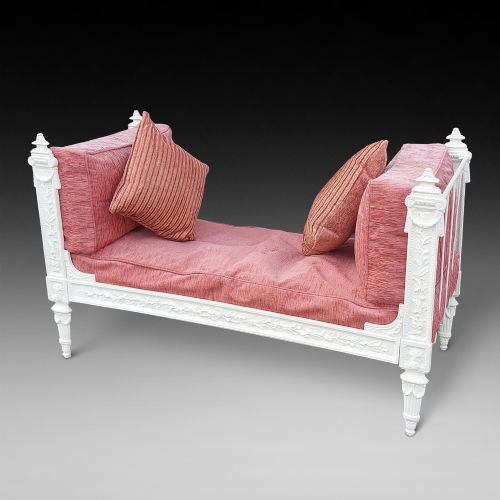
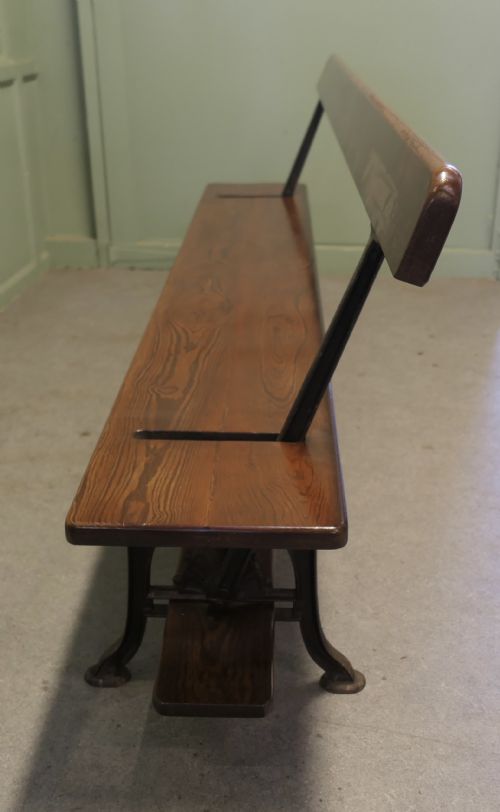
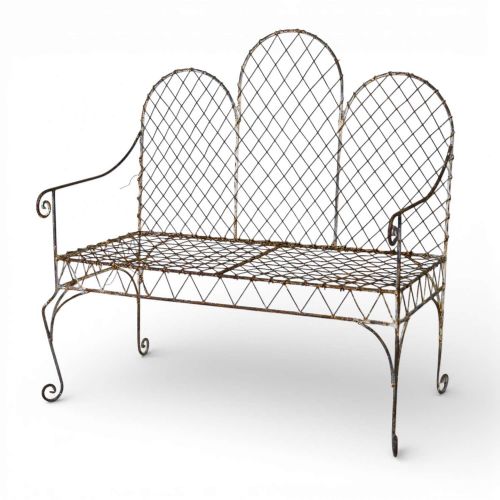
Beyond standard garden benches, the category encompasses railway station seating, daybeds, and wirework arbours. These pieces survive in various states of restoration, from original patinated surfaces to recently refurbished frames.
How they were made
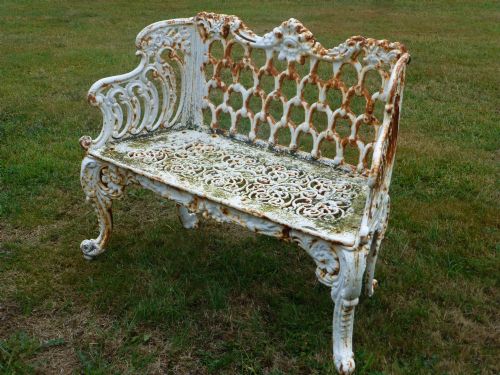
Foundries produced intricate panels and bench ends by pouring molten metal into sand moulds, resulting in crisp botanical or architectural reliefs. Cast iron offered great strength and detail capture, though it required careful handling to prevent brittleness.
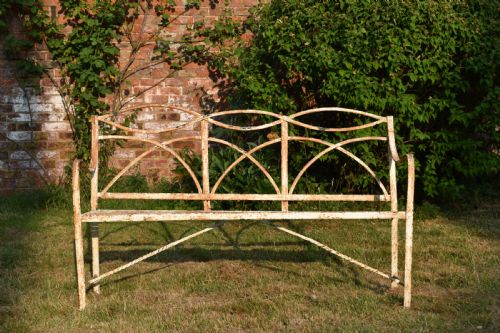
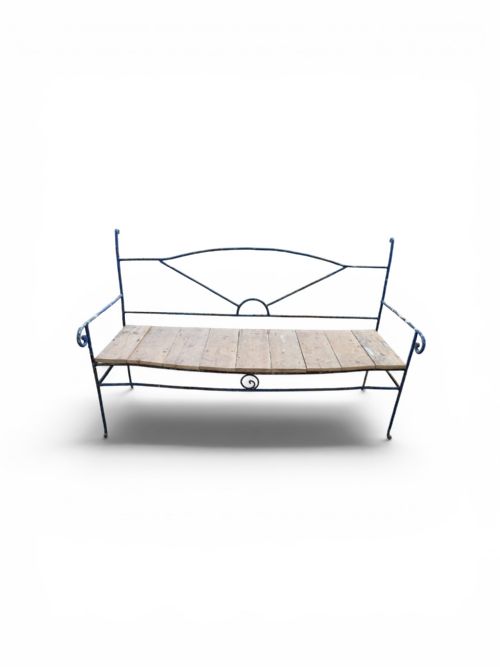
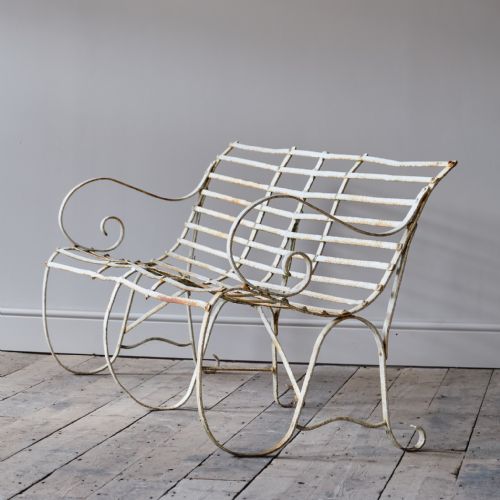
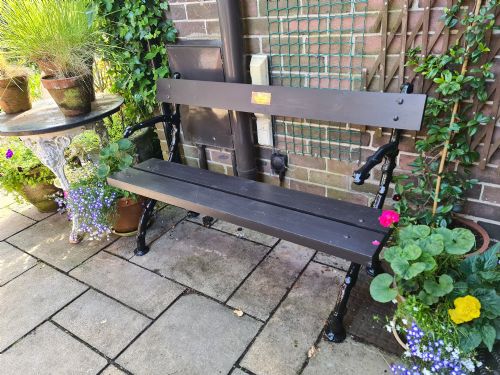
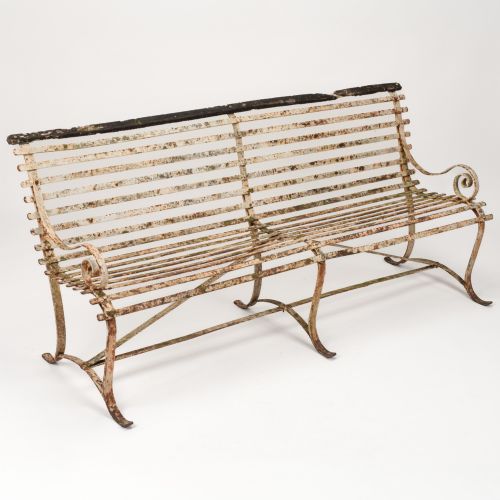
Wrought iron and steel components were shaped by hand through forging and riveting, creating resilient frames with linear strapwork or curved supports. Wood or timber battens were then bolted into the metal armatures to form comfortable seating surfaces.
Several Victorian benches incorporate clever reversible backs originally designed for busy tram passengers to change direction.
What varies in quality
The distinction between ordinary production and superior work lies in the crispness of the foundry casting and the depth of the relief ornament. Finely rendered botanical details, such as individual blackberry leaves or fern fronds, indicate superior workmanship compared to soft or worn castings.
Structural integrity depends on the original gauge of the metal and the precision of the joints. Pieces retaining integrated makers' marks or named foundry attributions command greater attention from collectors.
Falkirk Carron Foundry·Coalbrookdale
The Antique Iron Bench Seat Glossary
- Cast iron
- Iron melted and poured into a mould to shape complex decorative panels. This technique allowed Victorian foundries to mass-produce elaborate botanical and Gothic patterns.
- Faux bois
- A decorative technique imitating wood grain or natural branches in metal or concrete. It was particularly popular during the nineteenth century for garden seats and arbours.
- Strapwork
- Flat bands of metal arranged in interlaced or geometric patterns. Regency examples frequently utilise this linear style for backrests and frames.
- Arras
- A distinct style of French metal garden furniture featuring curved strapwork and riveted construction. These pieces often carry specific foundry badges from northern France.
Antique Iron Bench Seat: Frequently Asked Questions
How do I date an iron bench?
Dating relies on stylistic clues, construction methods, and registration marks cast into the metal frame. Regency pieces often feature light strapwork, while Victorian examples lean towards heavy botanical castings and Gothic motifs.
Foundry stamps and historical design catalogues help narrow the decade of production. Later twentieth-century iterations frequently adopt simplified industrial lines or lighter steel tubing.
Can these benches stay outdoors all year?
Most cast and wrought iron garden seats withstand outdoor placement throughout the year due to their robust metallic construction. Regular inspection helps prevent moisture accumulation where wood meets metal.
Applying protective coatings preserves the original surface and inhibits rust formation. Sheltered positioning during harsh winter months further protects timber slats and delicate wirework.
How do I maintain the metal surface?
Maintenance involves gentle cleaning to remove debris and checking for early signs of oxidation on exposed iron surfaces. Wire brushing removes loose scale before applying a suitable protective paint or wax.
Preserving the existing patina maintains historical character without stripping away decades of weathering. Timber components require appropriate oiling or sealing to match the condition of the frame.
Are replacement slats acceptable?
Replacement timber slats are common on antique garden seats because wood deteriorates faster than iron over decades of outdoor exposure. Matching the original wood species, such as oak or elm, maintains historical harmony.
Skillful restoration respects the integrity of the surviving metal armature while ensuring the seat remains structurally sound for daily use.