








White Marble Plinth
These white marble plinth pieces provide solid, classical mounting surfaces for sculptures, busts, and decorative objects.
White Marble Plinth
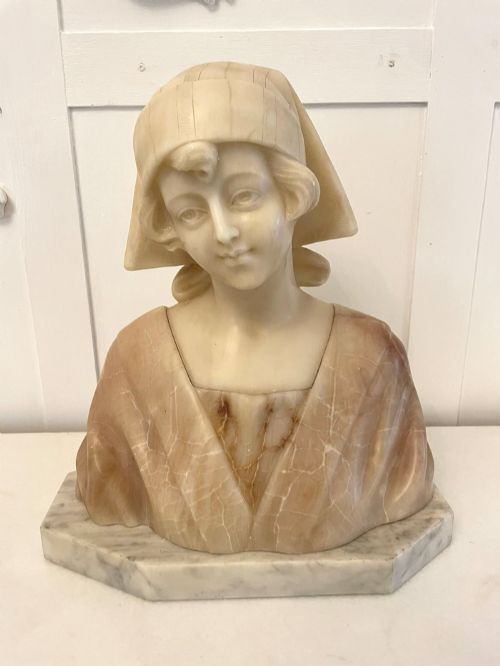
A white marble plinth serves as a heavy, supportive base for sculptural works, bronze studies, and classical busts. These items appear across the seventeenth, eighteenth, nineteenth, and early twentieth centuries in various neoclassical, Victorian, and Baroque interpretations.
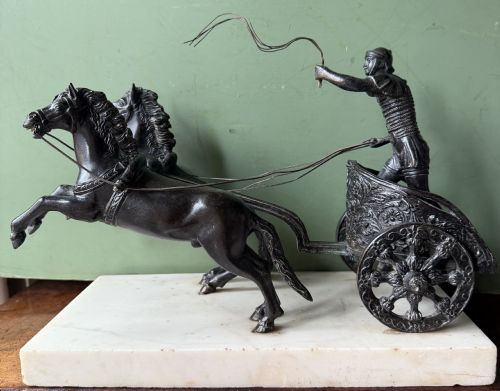
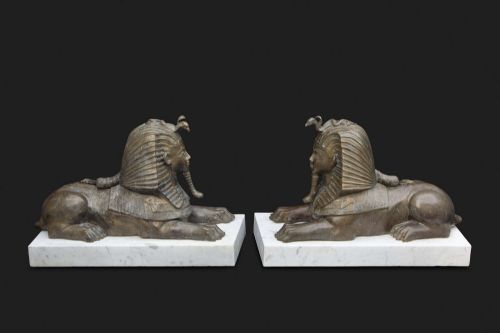
Buyers encounter these forms supporting Egyptian Revival sphinxes, grand tour bronzes, and carved marble figures. The selection includes Carrara and Arabescato marble variants, alongside mixed compositions featuring bronze, alabaster, and gilded wood.
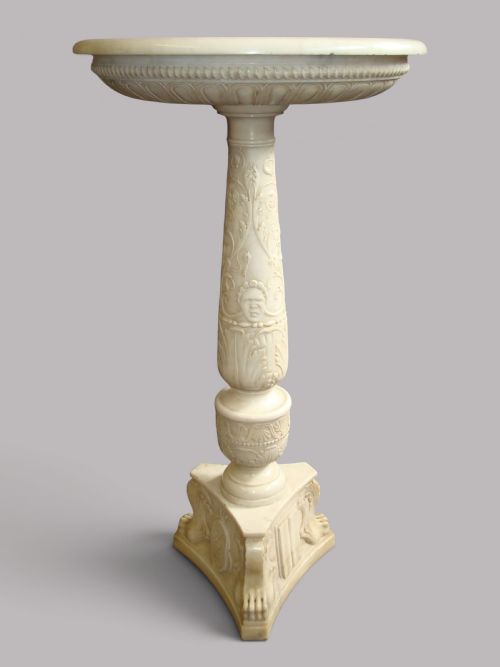
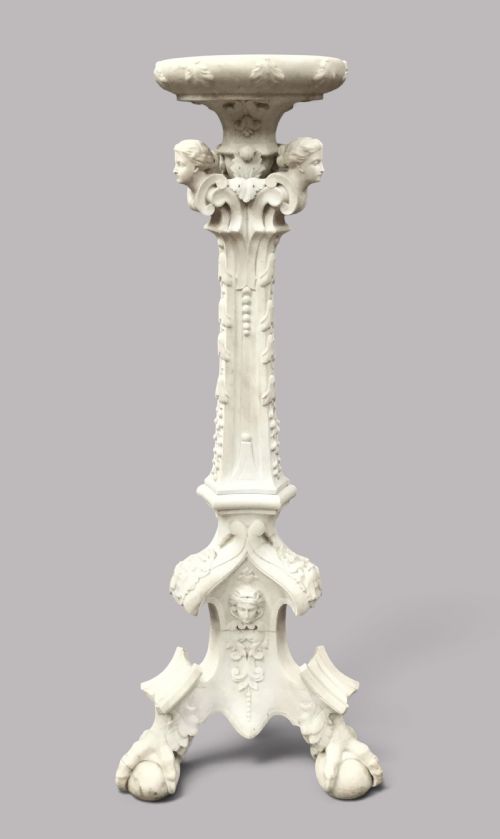
Architectural elements like columns, pedestals, and low coffee tables also function as structural mounts for display purposes. The surviving pieces originate largely from Italian and French workshops working within established classical traditions.
Materials and construction methods
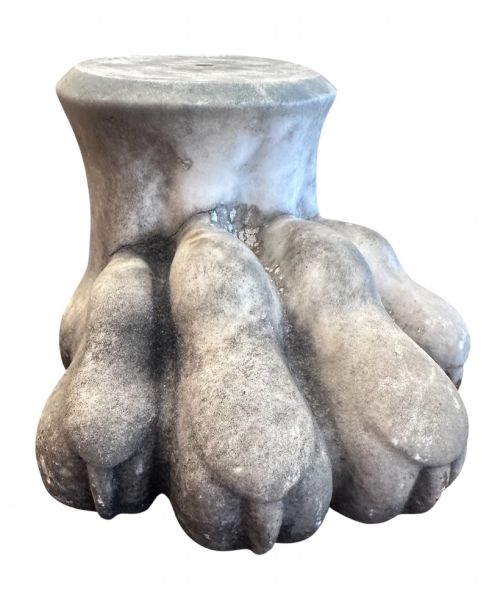
Carving forms from solid blocks of Carrara marble, Arabescato marble, and alabaster requires traditional masonry and sculpture tools. Artisans shape the stone by hand to achieve smooth cylindrical columns, stepped square bases, and lion paw feet.
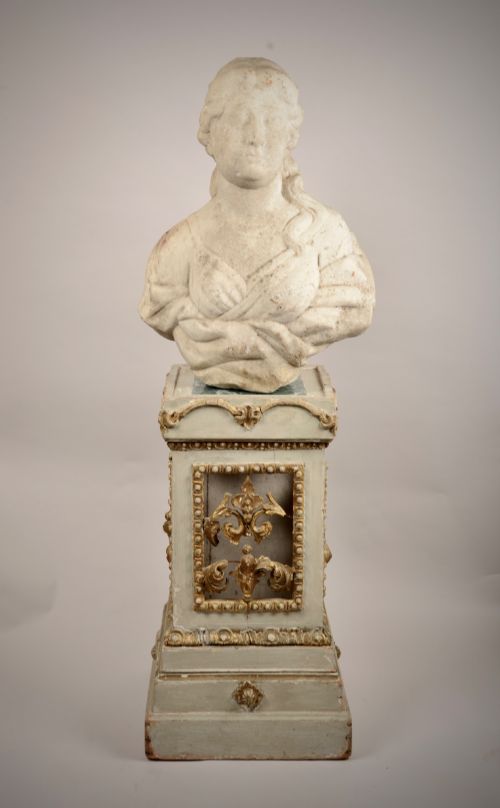
Mixed media works combine carved stone with cast bronze figures, giltwood accents, and inlaid specimen marble surfaces. Scagliola techniques also appear, applying pigmented stuccowork to mimic natural stone on structural cores.
White Marble Plinth Retail Price Guide 2026
Typical asking prices for white marble plinth among the pieces listed under this phrase on Sellingantiques today, from the lower quarter to the upper quarter. They describe what is for sale here now, not the wider market.
A solitary marble lion's paw waits patiently to support something heavy.
Assessing quality in stone mounts
The fineness of the stone carving and the crispness of architectural moulding separate superior examples from simpler utilitarian supports. Uniformity in the marble veining and precision in the geometric turning indicate skilled workshop production.
The integration between the stone base and any mounted bronze elements reveals the standard of assembly. Secure mountings, stable weight distribution, and undamaged corners distinguish well-preserved historical pieces.
Fritz Kochendorfer
The White Marble Plinth Glossary
- Carrara marble
- A type of white or blue-grey marble from the city of Carrara in Tuscany, widely used for classical sculpture and architectural bases.
- Arabescato marble
- A distinctive white marble featuring dark grey veining patterns in rich, complex arrangements across the stone surface.
- Scagliola
- A composite material made from selenite, glue, and pigments, used to imitate marble and other fine stones in architectural details.
- Grand Tour
- A cultural journey undertaken by wealthy young Europeans in the eighteenth and nineteenth centuries, resulting in the acquisition of classical souvenirs.
- Tazza
- An ornate cup or shallow bowl set upon a pedestal foot, frequently carved from marble or alabaster for display.
White Marble Plinth: Frequently Asked Questions
What supported objects sit on these plinths?
These stone bases support bronze sculptures, carved alabaster figures, portrait busts, and decorative tazzas. They function as elevated display platforms that highlight sculptural details.
Many examples originate as integrated mounts for specific nineteenth-century bronze studies or Egyptian Revival figures. Others serve as standalone architectural columns and plant stands.
How do I clean white marble plinths?
Maintenance requires gentle dusting with a soft, dry cloth to prevent surface dirt accumulation from scratching the polished stone. Avoid harsh chemical cleaners and acidic substances that etch marble.
Water should be used sparingly, and any spills must be wiped away immediately. Professional conservation advice is recommended for antique scagliola or inlaid specimen marble.
Where were these stone pieces made?
The recorded pieces originate primarily from Italian and French workshops influenced by classical revival movements. Italian carvers produced many of the Carrara marble architectural elements and grand tour souvenirs.
French makers incorporated these stone bases into monumental bronze compositions during the nineteenth and early twentieth centuries. Regional stone sources dictated whether local alabaster or imported marble was utilised.
How do I identify a nineteenth-century piece?
Nineteenth-century items often exhibit neoclassical or Egyptian Revival motifs reflecting contemporary archaeological discoveries. Tool marks, weathering patterns, and the specific composition of the marble help date the object.
Documentation, signatures, and stylistic links to grand tour collections provide further confirmation of the manufacturing period. Structural construction methods also align with nineteenth-century masonry standards.