
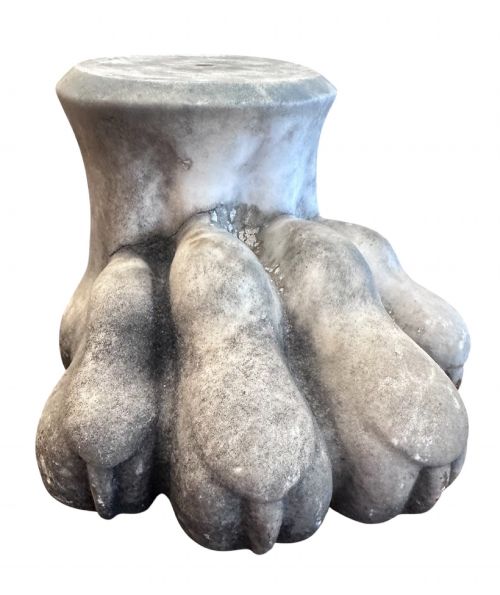


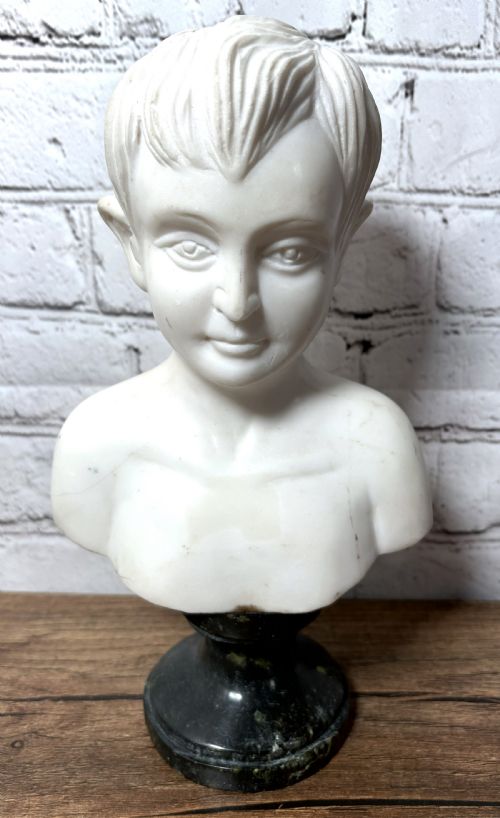


White Marble Pedestal
A white marble pedestal provides a solid, classical support for sculpture, urns, and lamps, bringing enduring architectural form into a room.
White Marble Pedestal
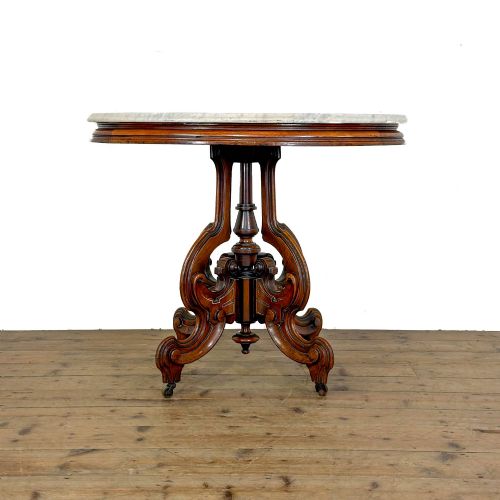
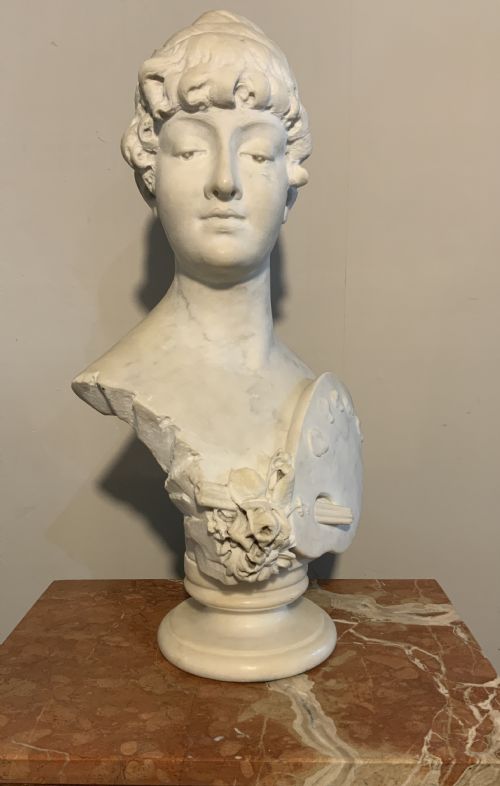
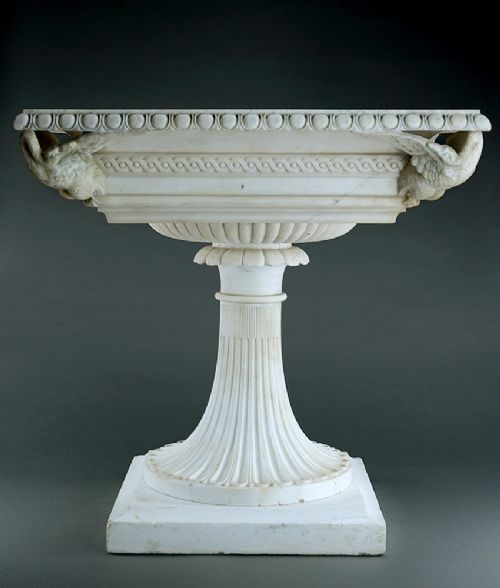
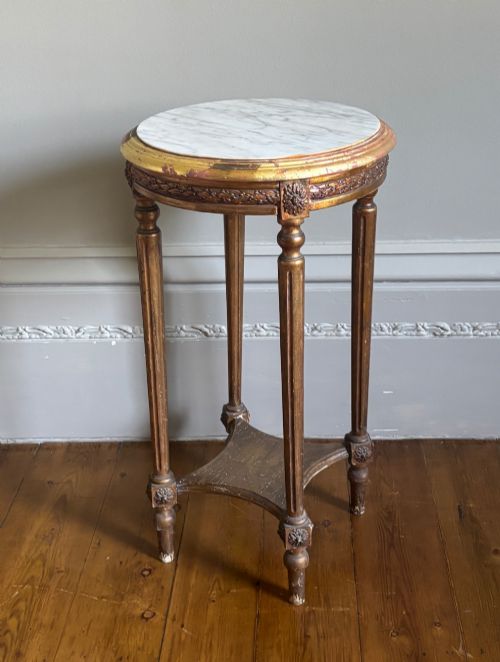
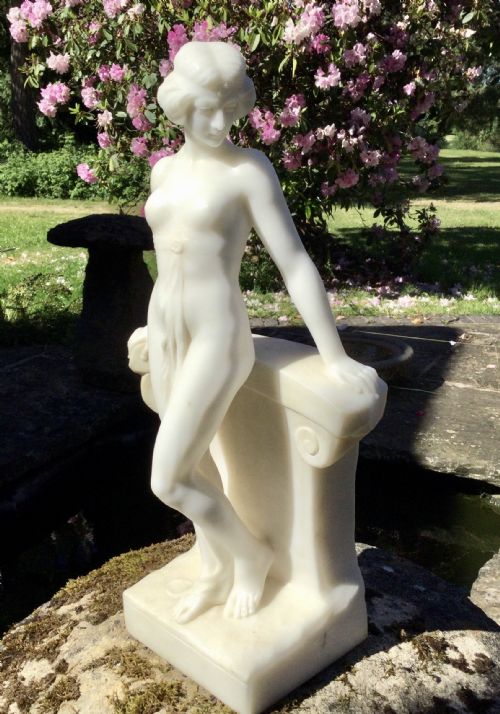
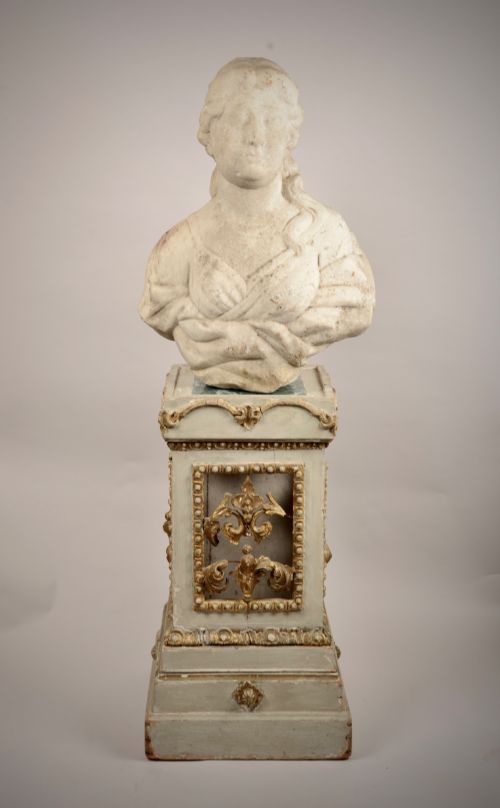
When searching for a white marble pedestal, buyers encounter heavy architectural columns and tall display supports designed to elevate sculpture, busts, and decorative objects. The selections span from the nineteenth century into the twentieth century, reflecting enduring neoclassical tastes.
Many examples utilise bright white stone or Carrara marble, often paired with contrasting plinths or socle bases. These forms frequently emerge in Victorian interiors and later revival schemes, serving practical display roles while introducing monumental presence.
Materials and construction
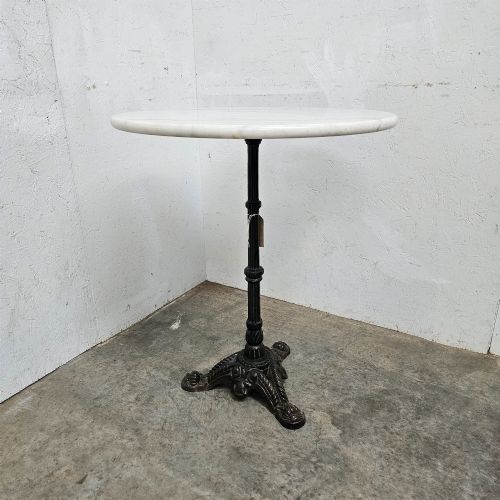
Makers shaped heavy stone blocks through careful carving and polishing, highlighting the natural crystalline structure of white marble. Other examples incorporate turned alabaster, cast iron bases, or contrasting black marble plinths.
Structural stability required precise weight distribution to support heavy sculptural loads safely. Artisans balanced dense stone columns upon solid square or circular bases, ensuring rigid support for mounted busts and urns.
Several columns stand ready to support a silent audience of marble gentlemen and stone hounds.
Judging quality in stone supports
Quality rests in the purity of the stone, the crispness of any carved mouldings, and the stability of the core construction. Finer pieces display seamless joints and stone free from unsightly internal fractures.
Superior examples exhibit balanced proportions that prevent top-heaviness when supporting heavy sculptures. The handling of the surface finish, from high polish to matte neoclassical dressing, marks the distinction between standard production and masterwork execution.
John Wenlock Rollins·Eduardo Giolli
The White Marble Pedestal Glossary
- Carrara marble
- A type of white or blue-grey marble quarried in the city of Carrara in Tuscany, widely utilised for classical sculpture and architectural columns.
- Socle base
- A short plinth or pedestal supporting a statue, bust, or column, providing visual weight and stability at the floor level.
- Neoclassical
- A style reviving classical Roman and Greek architectural and artistic motifs, prevalent across nineteenth-century furniture and decorative supports.
- Scagliola
- A composite substance made from pigmented plaster, glue, and spar, applied to imitate marble and other fine stones.
White Marble Pedestal: Frequently Asked Questions
How do I clean white marble?
Clean white marble surfaces using a soft cloth dampened with warm water and mild, pH-neutral soap. Avoid acidic or abrasive cleaners that can etch the polished stone finish.
Dry the marble thoroughly afterwards to prevent water spots. Regular dusting keeps surface grit from scratching the polished stone over time.
Can these hold heavy sculptures?
These stone and marble supports are structurally engineered to bear significant weight from heavy busts, bronzes, and urns. Their dense bases provide a low centre of gravity for stability.
Check that the column sits level on solid flooring before placing heavy artwork on top. Distribute the weight evenly across the centre of the top surface.
How do I date a marble pedestal?
Dating relies on stylistic clues such as neoclassical mouldings, the tooling marks left on the underside of the stone, and the composition of the base materials. Nineteenth-century examples often feature hand-finished details and older turning techniques.
Compare the column profile and decorative motifs against documented periods like the Victorian era or early twentieth-century revivals. Match the weathering and patina of the stone with expected age indicators.
Where should I place a pedestal?
Position these vertical supports in corners, hallways, or focal points where they can frame a sculpture or lamp safely away from heavy foot traffic. Ensure the floor area remains flat and stable to prevent rocking.
Keep stone supports away from direct, harsh chemical exposure or heavy moisture to protect the surface integrity. Good ambient lighting helps highlight the natural grain and carved details of the marble.